Business Launch and Execution
Refine Value Proposition
What Job Are You Hired For?
You've done your market research. You have a great idea. Now it's time to sharpen it into something a customer will actually choose. The key is to stop thinking about what your product is and start thinking about what it does.
This is the core of the framework. Customers don't buy products; they 'hire' them to do a job. A person doesn't buy a drill because they want a drill. They buy a drill because they want a quarter-inch hole in their wall. The drill is hired for the job of making a hole. This simple shift in perspective is powerful. It forces you to focus on the customer's goal, not your solution's features.
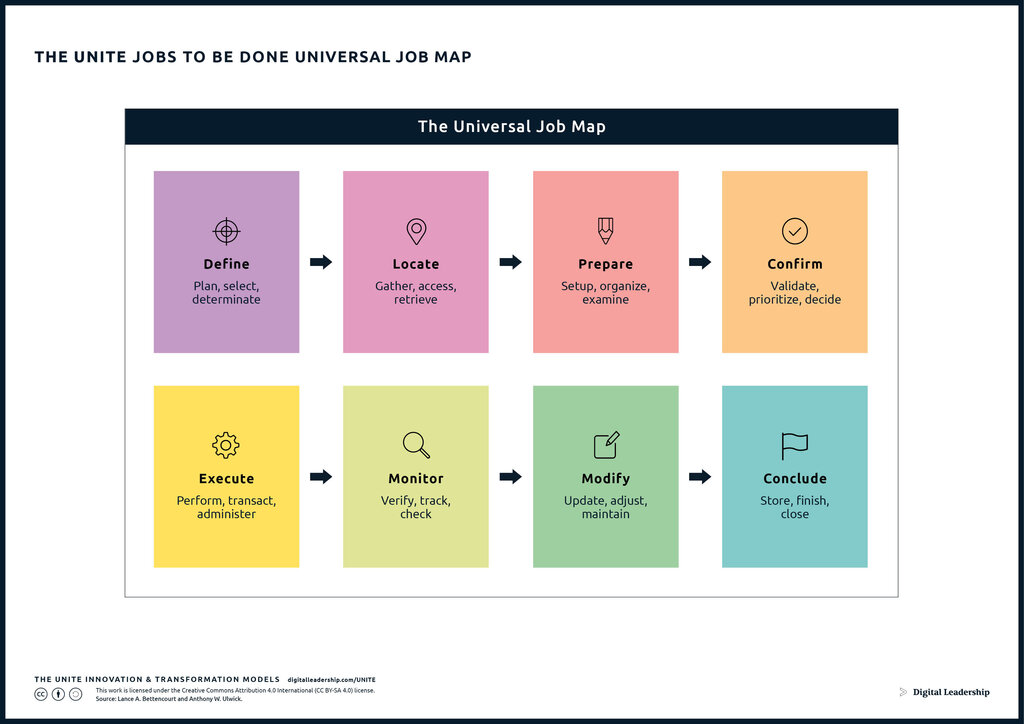
Your task is to figure out the specific 'job' your customer is hiring for. Are they trying to organize their finances, entertain their kids on a rainy day, or feel more connected to friends? Every successful product is hired to solve a problem or fulfill a desire. Once you know the job, you can design a better 'employee' for the task.
Pains, Gains, and Products
Identifying the job is just the start. Now you need to map the customer's experience. What are their specific pains and desired gains related to this job? Pains are the frustrations, obstacles, and risks they face. Gains are the outcomes and benefits they hope for.
- Pains:
It takes too long to get a ride downtown.
- Gains:
I wish I could get a ride with one tap on my phone.
Your product’s features should directly address these pains and create these gains. This mapping helps you distinguish between offering a 'vitamin' versus a 'painkiller.' A is a nice-to-have. It improves a situation but isn't essential. A painkiller solves a burning, urgent problem. While vitamin products can be successful, painkillers are often easier to sell because they address an immediate need. Customers will go out of their way to stop a headache; they're less motivated to start a new daily supplement.
| Category | Vitamin Product | Painkiller Product |
|---|---|---|
| Customer Need | Aspirational, improves quality of life | Urgent, solves a direct problem |
| Example | A meditation app to reduce stress over time | An expense-tracking app for a freelancer who just got audited |
| Urgency | Low to moderate | High |
| Sales Pitch | "Become a better you." | "Stop wasting money now." |
Is your product a vitamin or a painkiller? Be honest. If it's a vitamin, think about how you can either find a customer segment that sees it as a painkiller or add features that solve a more urgent problem.
Crafting Your Core Statement
With a clear understanding of the job, pains, and gains, you can now differentiate your business from the competition. Don't just list what your product does. State what it does better or differently than the incumbent solutions. The goal is to make your advantage immediately obvious.
You can distill all this work into a simple, three-sentence core value statement. This isn't a marketing slogan; it's an internal guidepost for your entire team.
- For [target customer] who [has a specific pain or need].
- Our product is a [product category] that [provides a key benefit/solves the pain].
- Unlike [the main competitor or alternative], we [provide a key differentiator].
Let's see it in action. Imagine you're launching a new project management tool.
For busy freelance designers who struggle to track client feedback and deadlines. Our product is a project management platform that centralizes all communication and tasks in one place. Unlike using a messy combination of email and spreadsheets, we provide visual timelines and one-click client approvals.
This statement is your foundation. It clearly defines who you serve, what you do for them, and why you're the better choice. Every marketing campaign, feature decision, and investor pitch will flow from this core clarity.