Business Fundamentals and Implementation
Introduction to Business
What Is a Business?
At its core, a business is an organization that provides goods or services to customers. Think of your local coffee shop. It offers a service (brewing coffee) and a good (the coffee itself). Most businesses aim to make a profit, which is the money left over after all expenses are paid. However, some organizations, known as non-profits, reinvest their earnings back into their mission instead of distributing it to owners.
Businesses are the engines of our economy. They create the products we use every day, from smartphones to sneakers. They also provide jobs, allowing people to earn a living and support their families. By solving problems and meeting needs, businesses drive innovation and contribute to the overall well-being of society.
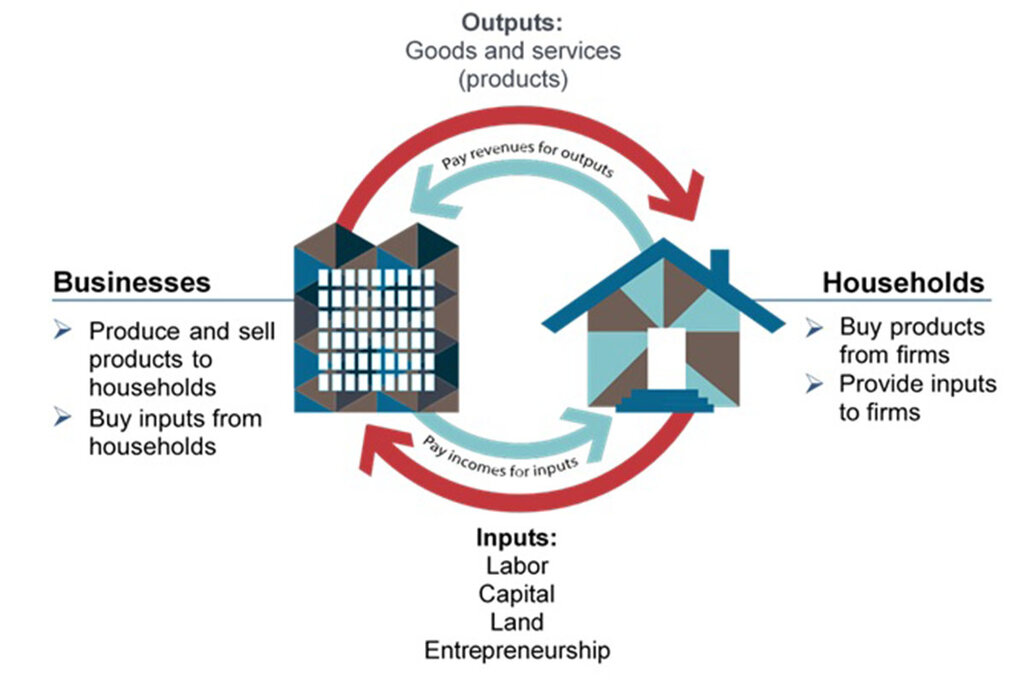
In essence, a business creates value. It takes inputs like labor and raw materials and transforms them into something more valuable to a customer.
Business Structures
Not all businesses are set up the same way. The legal structure a business owner chooses affects everything from taxes to personal liability. While there are several variations, most businesses fall into one of three main categories.
| Structure | Ownership | Liability | Key Feature |
|---|---|---|---|
| Sole Proprietorship | One person | Unlimited personal liability | Simple to set up and manage |
| Partnership | Two or more people | Unlimited personal liability | Shared resources and skills |
| Corporation | Shareholders | Limited liability | A separate legal entity from its owners |
A sole proprietorship is the simplest form, owned and run by one individual. The owner is personally responsible for all the business's debts. A partnership is similar, but with two or more owners who share the profits and liabilities.
A corporation is more complex. It's a separate legal entity owned by shareholders. This structure protects the owners from personal liability, meaning their personal assets are safe if the business fails. This separation is often called the "corporate veil."
How a Business Works
Regardless of its size or structure, every business relies on a few core functions to operate. Think of them as the different departments of a company, each with a specific job to do.
- Operations: This is the 'how' of the business. It involves the day-to-day activities required to create and deliver the product or service. For a car manufacturer, this includes sourcing steel, running the assembly line, and quality control.
- Marketing: This function is about understanding and reaching customers. It includes market research, advertising, and building a brand. Marketing answers the question: Who are our customers and why should they choose us?
- Finance: This is all about the money. The finance department manages cash flow, secures funding, creates budgets, and analyzes the company's financial health to ensure profitability.
- Human Resources (HR): Businesses are powered by people. HR is responsible for recruiting, hiring, training, and supporting employees. They handle payroll, benefits, and work to create a positive company culture.
Starting a business entails understanding and dealing with many issues—legal, financing, sales and marketing, intellectual property protection, liability protection, human resources, and more.
These functions are all interconnected. Marketing's campaigns need to be funded by finance. Operations needs HR to hire skilled workers. A successful business requires all these parts to work together smoothly.
Now, let's test your knowledge on these foundational concepts.
What is the primary financial goal for most businesses?
An entrepreneur wants to start a business but is concerned about losing personal assets, like their house, if the business fails. Which legal structure offers the best protection against this risk?
Understanding these basic elements—what a business is, how it can be structured, and the core functions that make it run—is the first step in seeing how the world of commerce works.