Business Development for Land Acquisition
Introduction to Land Acquisition
The Starting Point
Every building, from a single-family home to a skyscraper, starts with the same thing: a piece of land. Land acquisition is the process of gaining ownership or rights to that land. It's the first, most crucial step in real estate development. Think of it like a chef buying ingredients. Without the right ingredients, even the best chef can't create a great meal. Similarly, without the right piece of land, a development project is set up for failure before a single shovel hits the ground.
The acquisition phase is the first stage in the lifecycle of a commercial real estate asset.
This initial phase sets the stage for everything that follows, including design, financing, and construction. A successful acquisition involves finding a property that fits the developer's vision, at a price that makes financial sense. It's a foundational decision that impacts the entire project's potential for success.
A Tale of Two Sites
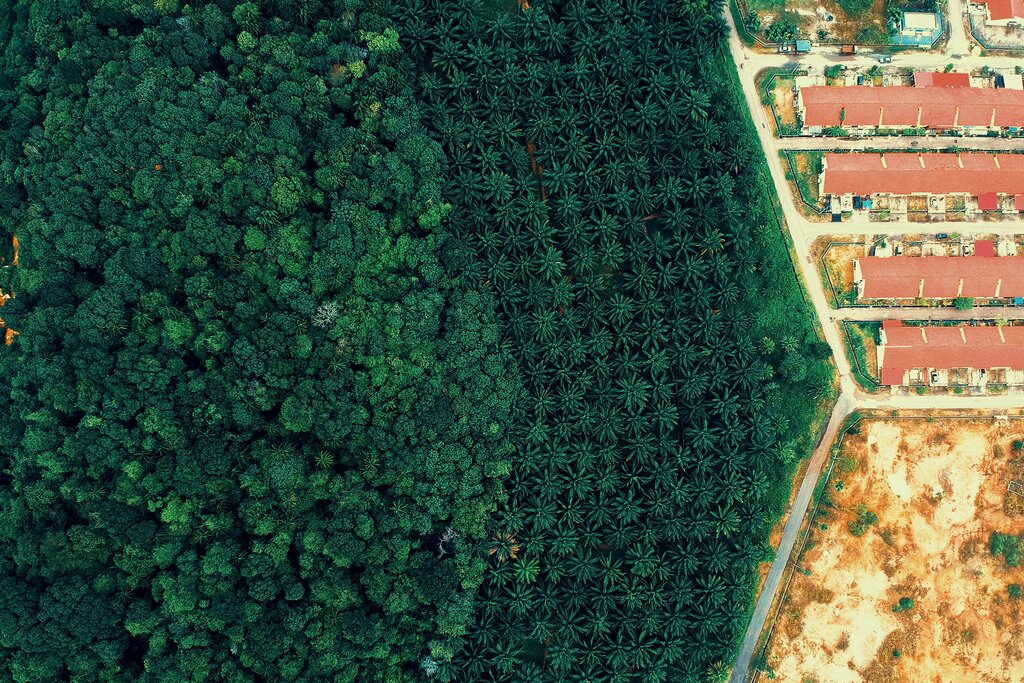
Not all land is the same. When developers scout for properties, they generally encounter two main types: greenfield and brownfield sites. Each comes with its own set of opportunities and challenges.
| Feature | Greenfield Sites | Brownfield Sites |
|---|---|---|
| Definition | Undeveloped land, often in rural or suburban areas. A 'blank slate.' | Land that was previously developed but is now vacant, derelict, or underused. |
| Previous Use | Agriculture, forest, or untouched natural land. | Former factories, gas stations, warehouses, or military bases. |
| Pros | Fewer constraints, more design flexibility, often cheaper to buy. | Often in prime urban locations with existing infrastructure. Can revitalize communities. |
| Cons | May lack utilities and infrastructure, potential environmental impact. | Potential for contamination, requiring costly cleanup (remediation). May have old structures to demolish. |
Choosing between a greenfield and brownfield site depends entirely on the developer's goals. A project aiming for a sprawling suburban community will naturally lean toward a large greenfield tract, while a trendy urban loft conversion can only happen on a brownfield site.
The Key Players
Land acquisition isn't a solo act. It's a complex process involving several key stakeholders, each with their own interests and roles.
Developer
noun
The individual or company that orchestrates the entire development process, from acquiring the land to managing construction and sales.
Developers are the visionaries. They identify the opportunity, take on the financial risk, and coordinate all the other players to bring the project to life.
Investors These are the people or institutions providing the capital to fund the acquisition and development. They can range from individual angel investors and banks to large investment funds. They are primarily focused on the financial return of the project.
Government Agencies Local, state, and federal agencies play a critical regulatory role. They are responsible for zoning laws, building codes, and environmental regulations. A developer must work closely with these agencies to secure the necessary permits and approvals. In some cases, a government agency might even be the seller of the land, especially in urban redevelopment projects.
These three groups form a triangle of interests. A successful acquisition requires aligning the developer's vision, the investor's financial goals, and the government's regulations. Understanding these fundamental pieces is the first step toward understanding how our cities and neighborhoods are built.