Business Development Essentials
Introduction to Business Development
What is Business Development?
Business development, often shortened to “biz dev,” is the process of creating long-term value for a company. It's not just about making a sale today. It's about finding opportunities, building relationships, and making strategic decisions that will help the business grow and thrive for years to come.
Think of it as the bridge between all the different parts of a company, like sales, marketing, and product development. Business development professionals look for new pathways to growth. This could mean finding new markets to enter, forming strategic partnerships with other companies, or figuring out new ways to reach customers.
The goal is simple: identify and create opportunities that generate lasting value.
The Engine of Growth
Without a focus on development, a business can easily stagnate. Markets change, competitors emerge, and customer needs evolve. Business development is the proactive force that pushes a company forward, ensuring it doesn't just survive, but expands.
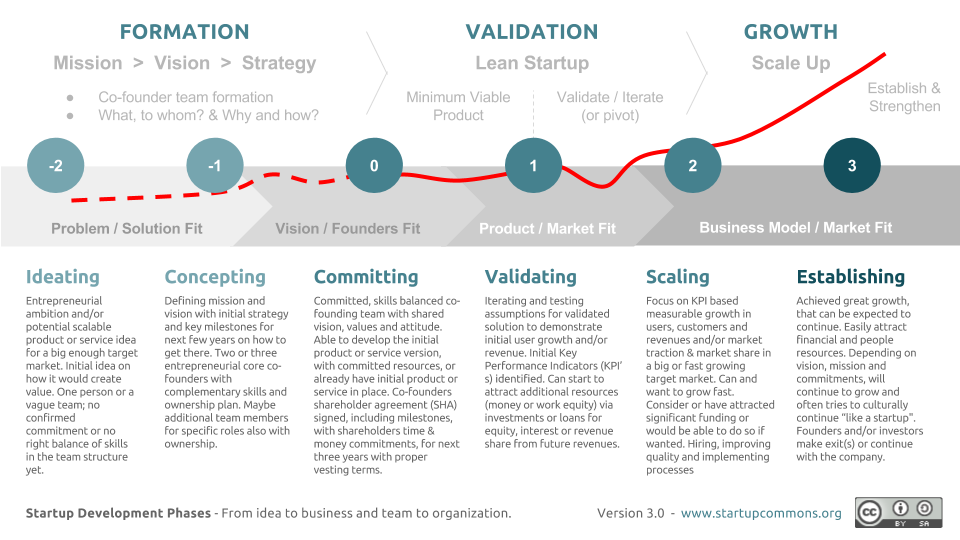
By constantly scanning the horizon for what's next, business development helps a company adapt and innovate. It’s what turns a small startup with a good idea into an established company with a stable future. This process is crucial at every stage of a company's life, from its initial concept to scaling and becoming a major player in its industry.
The Core Components
While business development is a broad field, its activities generally fall into three core areas. These components work together to build a strong foundation for growth.
Market Analysis
noun
The process of gathering and evaluating information about a market. It involves understanding customer needs, market size, competition, and industry trends.
Before you can grow, you need to understand the landscape. Market analysis is about doing your homework. Who are your potential customers? What do they need? Who are your competitors, and what are they doing well? Answering these questions helps a business identify its best opportunities and avoid costly mistakes.
Next comes lead generation. This is the process of identifying and attracting potential customers or partners, known as leads. It’s the first step in building a relationship. A lead could be anyone from a person who showed interest in your product online to a company that could be a great strategic partner. The goal is to create a pipeline of promising opportunities.
Finally, there's relationship management. Business development isn't about one-time transactions; it's about building lasting, mutually beneficial connections. This means nurturing relationships with customers, partners, and other stakeholders. Strong relationships built on trust are the bedrock of sustainable, long-term growth. They lead to repeat business, valuable partnerships, and a strong reputation.
Connecting to the Bigger Picture
Business development doesn't operate in a vacuum. It must be tightly integrated with the company's overall business strategy. The company's mission and long-term goals dictate the direction of business development efforts.
A good business strategy presents a specific set of steps which the company needs to take to overcome a defined issue.
For example, if a company's strategy is to be the top provider of eco-friendly products in its industry, the business development team will focus on forming partnerships with sustainable suppliers or finding new markets of environmentally conscious consumers. Every opportunity they pursue should align with that core strategic goal. This alignment ensures that growth is not random but purposeful, moving the entire organization in the right direction.
What is the primary goal of business development?
Which of the following is NOT considered a core area of business development activities?
By understanding these fundamentals, you can see how business development serves as a critical function that drives a company forward, turning vision into value.