Business Analytics Essentials
Introduction to Business Analytics
Beyond the Gut Feeling
Making big decisions can be tough. Imagine you're choosing a new location for your coffee shop. You could pick a spot simply because it “feels right,” or you could look at foot traffic data, local demographics, and the number of nearby competitors. The second approach is a lot like business analytics: using information to make smarter choices instead of just guessing.
Business Analytics
noun
The process of using data, statistical analysis, and predictive modeling to gain insights and drive strategic business decisions.
At its core, business analytics is about turning raw data, like sales figures or customer feedback, into actionable insights. It’s the practice of exploring and investigating business performance to understand what’s happening and why. This isn't just for giant tech companies; businesses of all sizes, from local bakeries to multinational corporations, use analytics to improve everything from marketing campaigns to supply chain efficiency.
Why Go Data-Driven?
Relying on intuition alone is like driving with a foggy windshield. You might be heading in the right direction, but you can’t see the obstacles or opportunities ahead. Data-driven decision-making clears the fog. It replaces assumptions with evidence, allowing companies to make choices with confidence.
When a business operates on data, it can spot trends before they become obvious. For example, a retailer might notice that customers who buy hiking boots also tend to buy high-performance socks. Armed with this insight, they can create a targeted promotion or place the two items closer together in the store. This small, data-informed change can lead to a significant increase in sales.
Data gives you a competitive edge. It helps you understand your customers better, streamline your operations, and react more quickly to market changes.
This approach moves companies from being reactive to proactive. Instead of just responding to problems as they arise, they can anticipate future needs and outcomes. By analyzing historical data, a company can forecast demand for a product, helping them manage inventory and avoid stockouts or overages. This shift is fundamental to staying relevant and profitable in a competitive landscape.
The Analytics Journey
Business analytics isn't a single action, but a process—a repeatable journey from a question to a decision. While the specific tools and techniques can get complex, the overall flow is straightforward and logical.
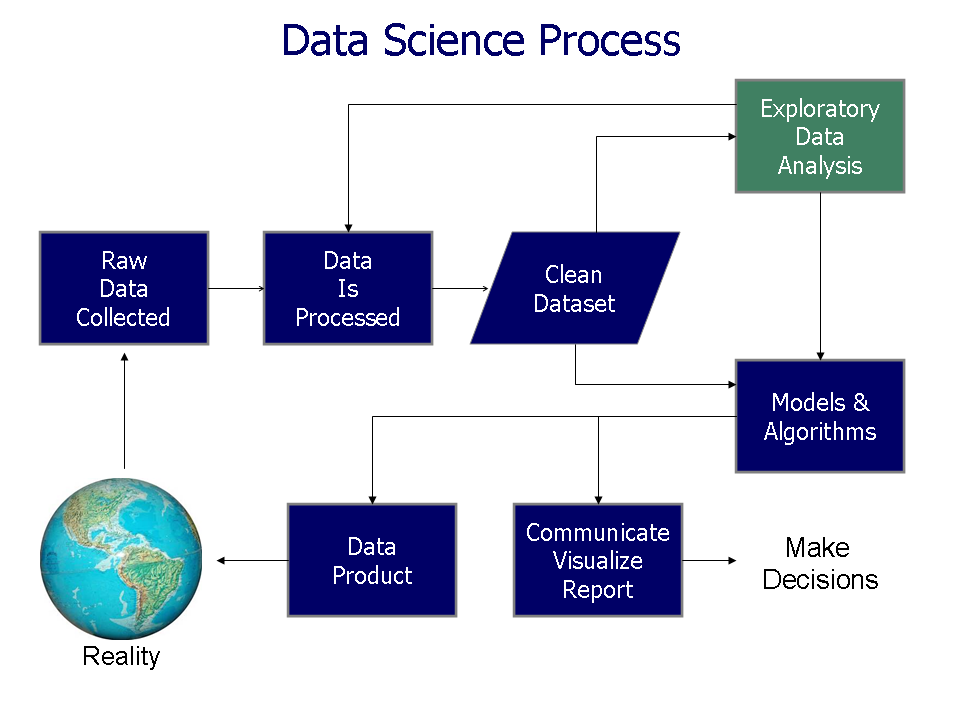
The process generally follows these steps:
-
Identify the Business Problem: It all starts with a question. This isn't a technical question, but a business one, like "Why is customer churn increasing?" or "Which of our marketing campaigns is most effective?" A clear question focuses the entire analytical effort.
-
Gather Data: Once the question is defined, the next step is to collect the relevant data. This could be internal data, like sales transactions and customer records, or external data, like market trends and competitor analysis.
-
Analyze the Data: This is where the magic happens. Analysts sort through the data to find patterns, relationships, and insights. They might discover that most customers who leave do so within the first 90 days, or that the most effective marketing campaign was the one on social media.
-
Communicate Findings: Insights are useless if they aren't understood. This step involves translating the findings into a clear, compelling story for decision-makers. It’s about showing what the data means for the business.
-
Implement the Decision: The final step is to take action. Based on the insights, the business makes a strategic choice. They might launch a new onboarding program for customers or reallocate their marketing budget to social media. The process then continues by monitoring the results of this decision, which generates new data and new questions.
This cycle of questioning, analyzing, and acting is what allows businesses to continuously learn and improve.
What is the core purpose of business analytics?
According to the principles of business analytics, relying solely on intuition is the most reliable way to make strategic business decisions.
By understanding this foundational process, you're ready to explore how businesses harness data to thrive.