Business Administration Mastery
Introduction to Business
What Is a Business?
At its core, a business is an organization that provides goods or services to customers. The primary goal is usually to generate a profit, which is the money left over after all expenses are paid. But businesses also exist to solve problems, meet needs, and create value for people.
Business
noun
An organization or enterprising entity engaged in commercial, industrial, or professional activities.
Think about your favorite coffee shop. It provides a product (coffee) and a service (a place to relax or work). It solves the problem of needing a morning caffeine boost. In return for a few dollars, you get a warm drink and a pleasant experience. That exchange is the heart of every business, big or small.
The Four Core Functions
To succeed, nearly every business needs to manage four key areas. Think of them as the four legs of a table. If one is weak, the whole thing can become wobbly.
Marketing: This is how a business communicates with its customers. It includes everything from advertising and social media to understanding what customers want and setting the right price.
Finance: This function deals with all the money. It involves managing cash flow, securing funding, budgeting, and tracking profitability. Without solid financial management, even a great idea can fail.
Operations: This is the 'how' of the business. Operations turns inputs (like raw materials or code) into outputs (like a finished car or a functioning app). The goal is to be efficient and maintain high quality.
Human Resources (HR): Businesses are run by people. HR is responsible for recruiting, hiring, training, and supporting employees. A happy and productive team is a huge asset.
Structuring the Business
How a business is legally organized has big implications for taxes, liability, and how it can raise money. There are three common structures.
| Structure | Ownership | Owner's Liability |
|---|---|---|
| Sole Proprietorship | One person | Unlimited (personal assets are at risk) |
| Partnership | Two or more people | Unlimited for most partners |
| Corporation | One or more shareholders | Limited (personal assets are protected) |
A freelancer or a small local shop is often a sole proprietorship because it's the simplest to set up. Law firms or accounting groups are often partnerships. Large, publicly-traded companies like Apple or Ford are corporations. They can sell shares of ownership (stock) to the public to raise money.
Choosing the right structure depends on the owner's tolerance for risk, the need for funding, and plans for future growth.
The World Outside
No business operates in a vacuum. It is constantly influenced by the world around it. Smart leaders keep a close eye on these external factors.
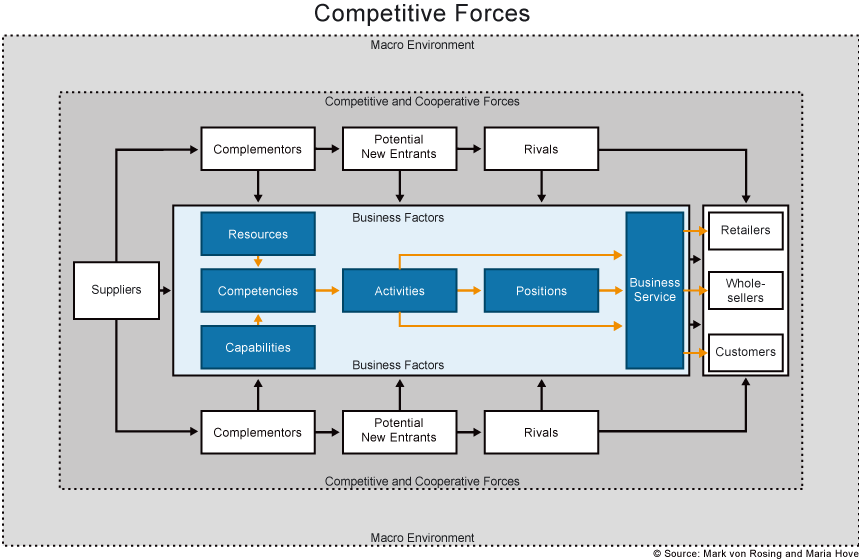
Key environmental factors include:
- Economic: Things like inflation, interest rates, and unemployment affect how much money customers have to spend and how much it costs the business to borrow.
- Social: Cultural trends, demographics, and consumer values can change what people want to buy. The growing demand for sustainable products is a perfect example.
- Technological: New technologies can create opportunities (like e-commerce for a small retailer) or threats (like automation replacing certain jobs).
- Legal: Businesses must follow laws and regulations related to everything from consumer protection to environmental standards.
Now, let's review these core concepts.
Ready to test your knowledge?
What is the primary goal of most businesses?
A company launches a new series of ads on social media to attract younger customers. This activity falls primarily under which key business area?
Understanding these basic building blocks is the first step toward seeing how the business world works.