Burnout and Your Nervous System
Understanding Burnout
More Than Just Stress
We all know what it feels like to be stressed. A tight deadline, a tough exam, or a long week can leave you feeling frazzled. But what happens when that feeling doesn't go away, even after the pressure is off? That's when you might be heading toward burnout.
burnout
noun
A state of emotional, physical, and mental exhaustion caused by excessive and prolonged stress.
Unlike everyday stress, burnout is a deeper, more persistent state of exhaustion. It’s the feeling of being completely drained, as if your internal battery is dead and won't hold a charge. While stress is often characterized by over-engagement and a sense of urgency, burnout is the opposite. It involves disengagement, blunted emotions, and a sense of helplessness.
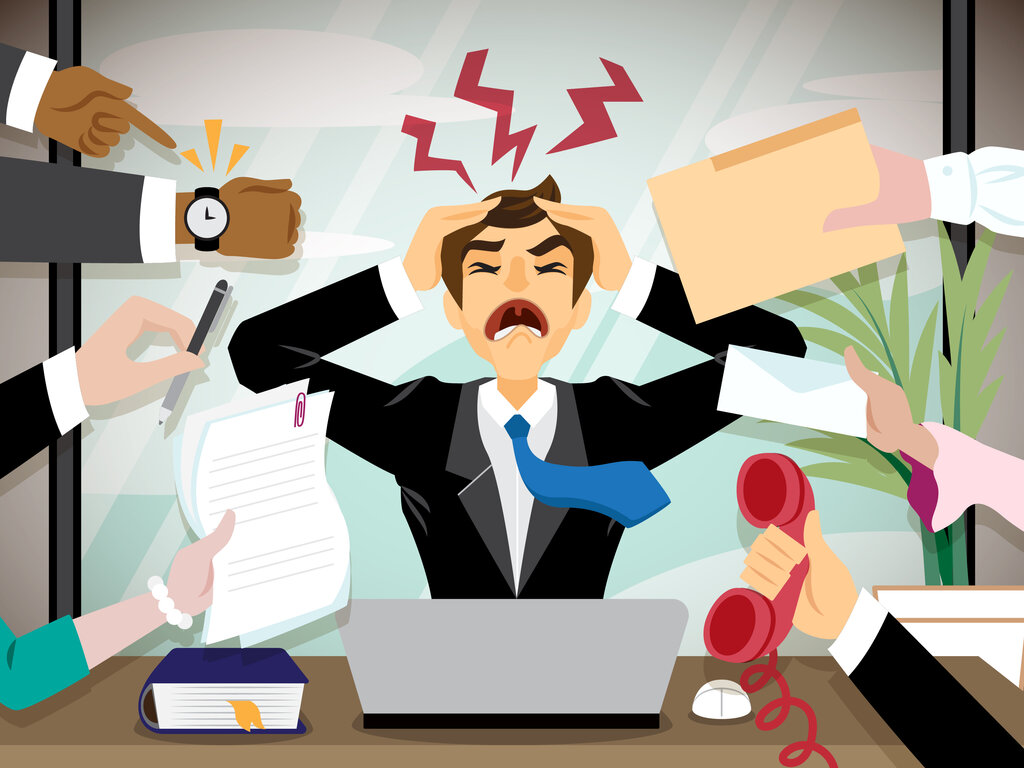
When experiencing burnout, one may feel overwhelmed, emotionally drained, and unable to meet constant demands.
Think of it this way: stress is like drowning in responsibilities, but burnout is like being all dried up. You no longer have the energy, motivation, or sense of purpose to keep going.
The Three Main Signs
Psychologists often describe burnout as having three main components. Recognizing them in yourself or others is the first step toward understanding the problem.
The core symptoms are overwhelming exhaustion, feelings of cynicism and detachment from the job, and a sense of ineffectiveness.
Let's break these down.
First, there’s exhaustion. This isn't just feeling tired after a long day. It's a profound lack of energy that sleep doesn't fix. It can be emotional, mental, and physical, leaving you feeling depleted and unable to cope with the demands of your day.
Next comes cynicism and detachment. People experiencing burnout often feel negative about their jobs or responsibilities. They might become irritable with colleagues or clients and start to distance themselves emotionally. This is a self-protective measure, an attempt to create a buffer against overwhelming demands.
Finally, there's a reduced sense of accomplishment. You might feel like you're not making a difference or that your work doesn't matter. This can lead to a crisis of confidence, where you doubt your own abilities and feel like a failure, no matter how hard you try.
| Symptom | Description |
|---|---|
| Exhaustion | Feeling drained and depleted of physical and emotional energy. |
| Cynicism | Developing a negative or detached attitude toward your work and colleagues. |
| Inefficacy | A sense of lacking accomplishment and doubting your competence. |
What Causes Burnout?
Burnout isn't a personal failing. It's often a response to a stressful or dysfunctional environment. While individual factors can play a role, the root causes are frequently tied to one's job and lifestyle.

Some of the most common workplace contributors include:
- Unmanageable workload: Constantly feeling like you have too much to do and not enough time to do it.
- Lack of control: Feeling like you have no say in decisions that affect your job, such as your schedule, assignments, or workload.
- Unclear job expectations: Not knowing what is expected of you or what your level of authority is.
- Dysfunctional workplace dynamics: Dealing with an office bully, feeling undermined by colleagues, or working for a micromanager.
- Lack of social support: Feeling isolated at work and in your personal life.
- Work-life imbalance: When your work takes up so much of your time and energy that you have little left for your family, friends, and hobbies.
Personal traits can also influence your risk. People who are perfectionists, have a pessimistic outlook, or have a high need for control may be more susceptible. However, it's the interaction between a person and their environment that truly sets the stage for burnout.