Burning Man Explained
Origins and Evolution
From Beach Bonfire to Desert City
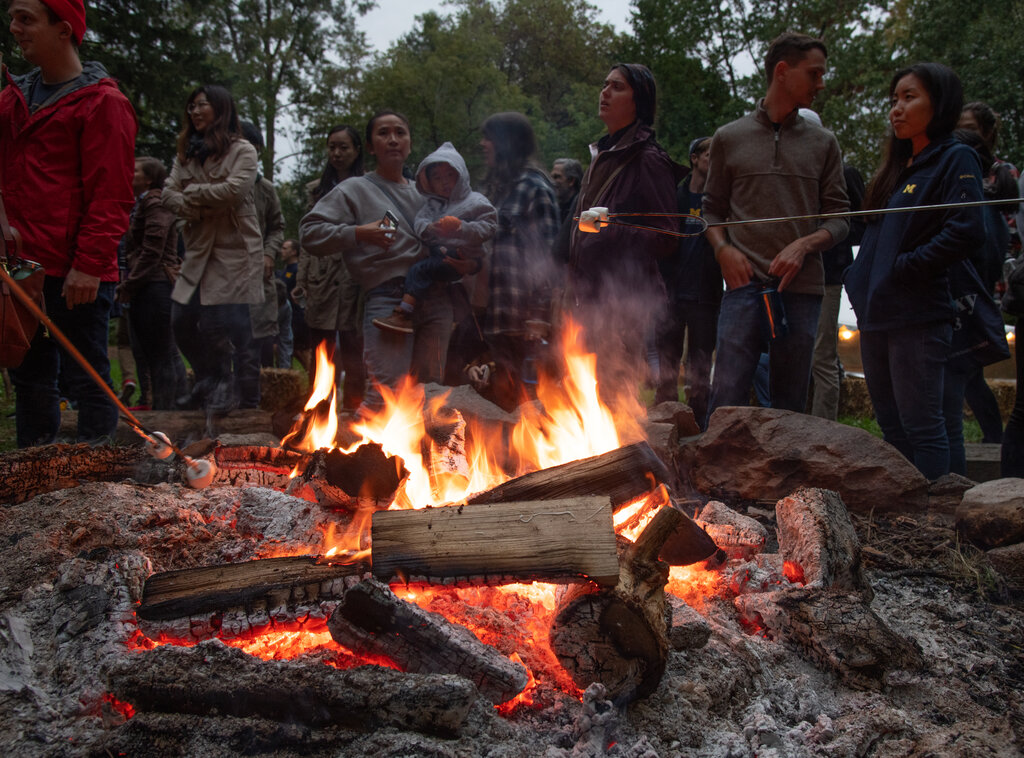
It all started with a simple act on a San Francisco beach. In 1986, Larry Harvey and Jerry James built an eight-foot-tall wooden figure of a man, dragged it to Baker Beach, and set it on fire. This spontaneous gathering for the summer solstice drew about 20 curious onlookers.
There was no grand plan or overarching philosophy at first. It was just a creative impulse, a desire to do something symbolic and communal. For the next few years, the gathering remained a small, informal tradition among friends, growing slightly each year as word spread.
The Move to the Desert
By 1990, the event had outgrown its beachside origins. The wooden man was now 40 feet tall, and local authorities were no longer comfortable with a large, unsanctioned bonfire on a public beach. Park police shut down the event before the Man could be burned.
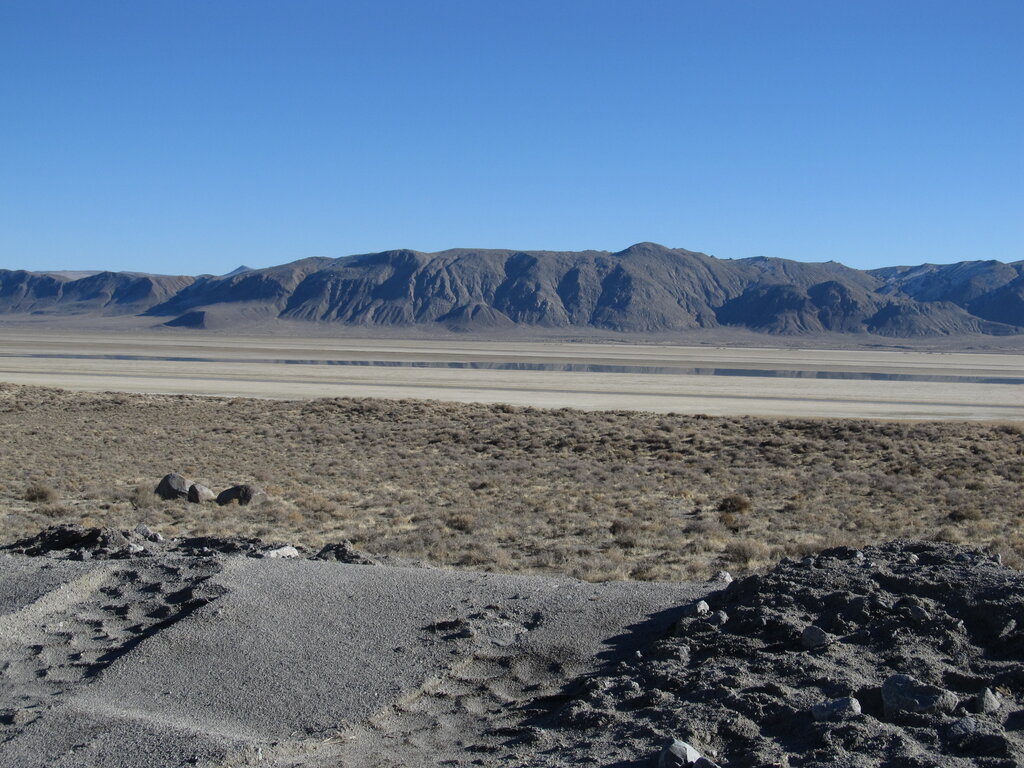
A new home was needed—somewhere vast, remote, and free from the constraints of city life. Members of the Cacophony Society, a group of urban explorers and pranksters involved with the event, suggested a location they knew: the Black Rock Desert in Nevada. That year, about 90 people made the journey to the sprawling, empty expanse of the playa to burn the Man. This move was the single most important moment in Burning Man's evolution, transforming it from a local beach party into a unique experiment in community and survival.
Building a Temporary City
The desert provided nearly unlimited space, and the event began to grow exponentially. What started as a small campout quickly morphed into a sprawling temporary settlement. This rapid increase in population presented new challenges, requiring a more organized approach to safety, sanitation, and layout.
| Year | Location | Attendance (approx.) |
|---|---|---|
| 1986 | Baker Beach, SF | 20 |
| 1990 | Black Rock Desert | 90 |
| 2000 | Black Rock Desert | 25,400 |
| 2010 | Black Rock Desert | 51,515 |
| 2019 | Black Rock Desert | 78,850 |
To manage the growth, organizers formed Black Rock City, LLC in 1999. They designed a formal city plan—a large arc of streets and camps centered on the Man—and established departments to handle essential services. In 1995, an annual theme was introduced to provide a loose creative prompt for participants and their art installations. This structure provided a framework for the city to function while still allowing for the spontaneity and creativity that defined the event from its earliest days.
Eventually, the for-profit LLC was dissolved and all operations were moved under the Burning Man Project, a non-profit organization created in 2014. This change reflected the event's evolution into a global cultural movement far beyond its simple origins.
Let's review the key moments in Burning Man's journey.
Where was the very first 'Man' burned in 1986?
What was the primary reason for Burning Man's move to the Black Rock Desert in 1990?
From a small solstice bonfire, Burning Man evolved into a complex, city-scale event, shaped by its move to the desert and the need to organize a rapidly growing community.