Burn Swelling and Savvy Government Navigation
Burn-Induced Swelling
The Body's Response to Burns
When your hand or wrist sustains a burn, the body's emergency response system kicks in immediately. This isn't just about the visible skin damage; it's a complex, microscopic battle to control the injury and begin repairs. The first and most noticeable sign of this response is swelling.
This reaction is called the inflammatory response. Damaged cells at the burn site release a flood of chemical signals, including a key player called histamine. Think of histamine as the alarm bell that calls in the first responders.
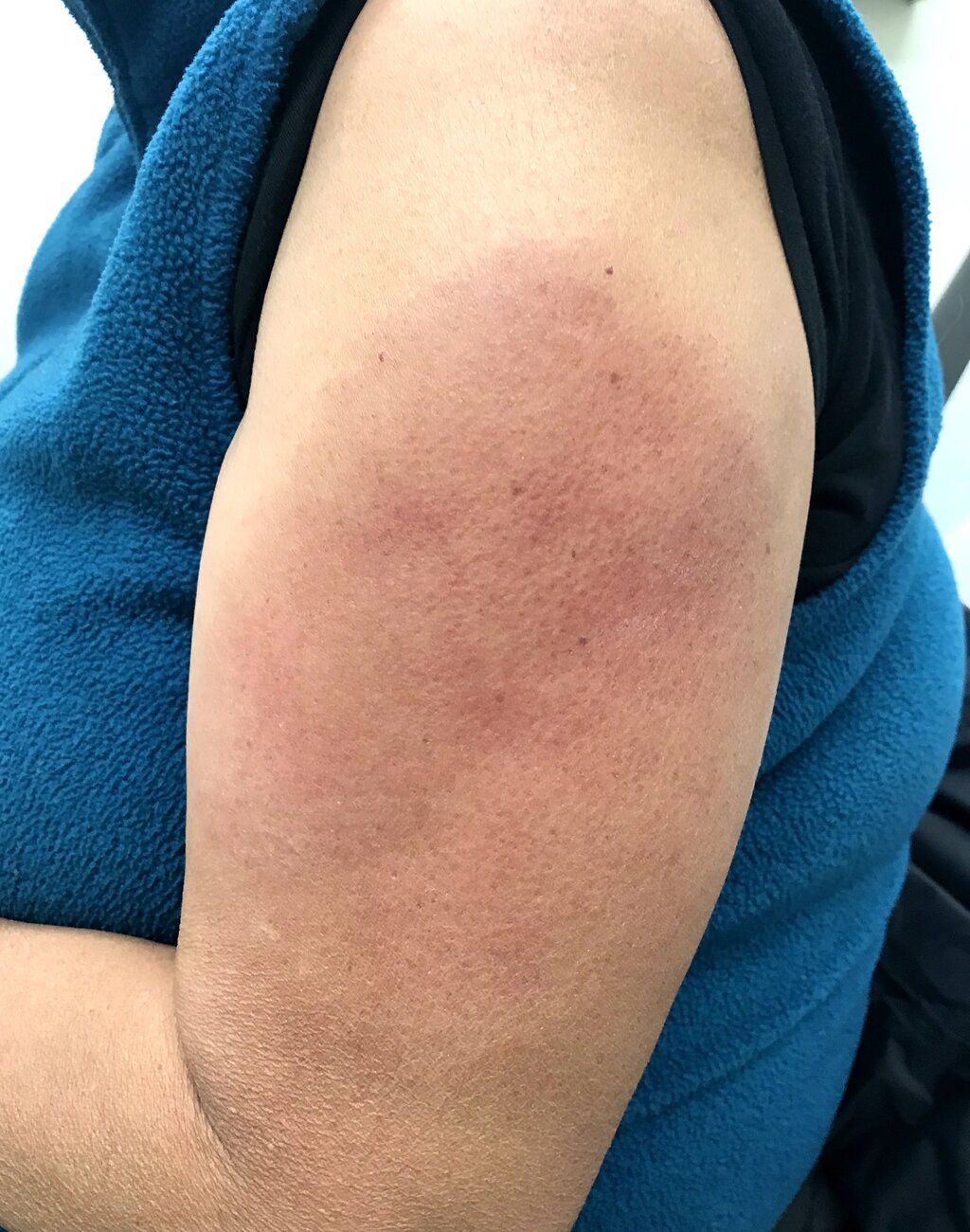
In sites of localized tissue damage or infection, it is well known that the localized inflammatory response is characterized by 5 cardinal signs—heat, pain, redness, swelling, and loss of function—which are caused by local capillary dilation and an increase in permeability, and occur in order to protect the host and eliminate noxious agents and injured cells.
Histamine's main job is to make the nearby blood vessels, specifically the tiny capillaries, more permeable or 'leaky.' Normally, these vessels keep blood plasma securely inside. But with histamine on the scene, the walls of these vessels relax, creating tiny gaps. This allows fluid, along with protective white blood cells and proteins, to leak out of the bloodstream and into the surrounding tissue. This accumulation of fluid is what causes the visible swelling, also known as edema.
edema
noun
Swelling caused by excess fluid trapped in your body's tissues.
The Healing Process
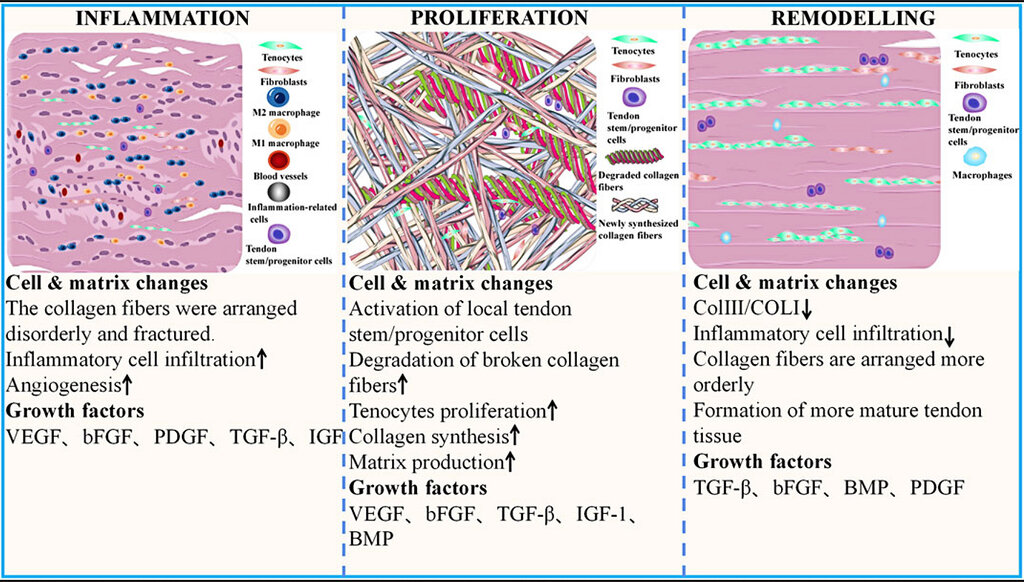
The initial inflammation and swelling, while uncomfortable, are the first stage of a three-part healing process. Once the area is flooded with fluid and immune cells, the cleanup and rebuilding can begin.
-
Inflammation Phase: This is the immediate response we've discussed. Fluid rushes in, bringing cells that fight off any potential infection and clear away dead tissue.
-
Proliferation Phase: After a few days, the body starts building new tissue. Specialized cells create a new network of blood vessels and a foundation of collagen, which is like a scaffold for new skin to grow upon.
-
Remodeling Phase: This is the longest phase, sometimes lasting for months or even years. The collagen scaffold is reorganized and strengthened, and the new tissue gradually becomes more like the original skin in strength and flexibility. The swelling slowly subsides as the excess fluid is reabsorbed by the body.
The extent of the swelling depends heavily on the severity of the burn. A minor first-degree burn, like a mild sunburn, might cause minimal swelling. A second-degree burn, which involves blistering, will have more significant and noticeable edema. Severe, third-degree burns damage deeper tissues and can cause massive swelling as the body mounts a major inflammatory response.
A Dangerous Complication
While swelling is a normal part of healing, in the confined spaces of the hand and wrist it can become dangerous. The tissues in your forearm, wrist, and hand are organized into compartments, separated by tough, inelastic sheaths of connective tissue called fascia.
If swelling from a severe burn is extreme, the pressure inside one of these compartments can rise dramatically. This condition is called compartment syndrome. The intense pressure can squeeze blood vessels, cutting off blood flow to the muscles and nerves within the compartment. Without oxygen and nutrients, these tissues can quickly die, leading to permanent muscle damage, nerve injury, and loss of function.
This is a medical emergency. The intense pressure and pain, often described as out of proportion to the injury itself, are key warning signs. Swift medical intervention is crucial to relieve the pressure and save the limb.
Let's test your understanding of how the body responds to burns.
What is the primary role of histamine in the body's response to a burn?
Which phase of burn healing is the longest and involves reorganizing and strengthening new tissue?
Understanding the body's reaction to a burn, from the initial inflammatory signals to the stages of healing, highlights the complex processes designed to protect and repair damaged tissue.