Buoyancy and Stability
Buoyancy Basics
The Upward Push
Have you ever tried to push a beach ball underwater? It’s surprisingly hard. The water seems to fight back, pushing the ball right back up to the surface. That upward push is called buoyancy. It’s a force that fluids—both liquids and gases—exert on any object submerged in them. This force acts in the opposite direction of gravity, lifting things up.
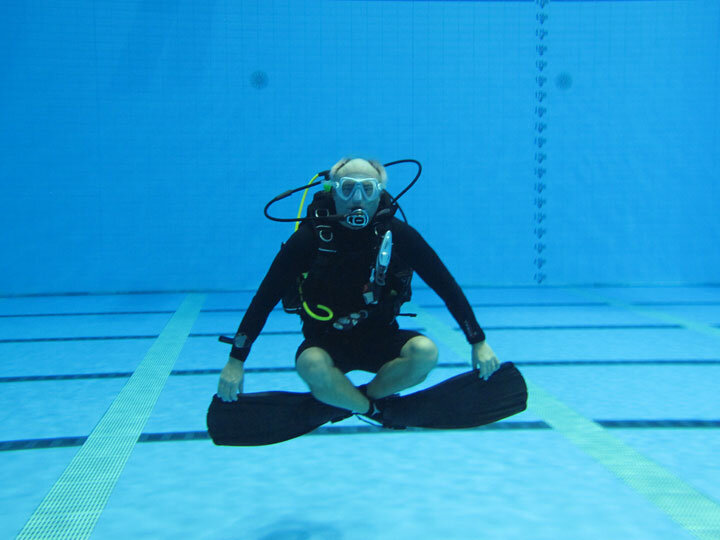
This upward push doesn’t just happen at the surface. It exists at any depth. It’s the reason heavy ships made of steel can float and why you feel lighter when you’re in a swimming pool.
Why Fluids Push Up
The buoyant force isn't magic. It comes from pressure. As you go deeper into a fluid, the pressure increases. This is because the fluid at lower levels has to support the weight of all the fluid above it.
Imagine you submerge a small cube in water. The water pressure pushes on the cube from all sides. The pressure on the left side is balanced by the pressure on the right. But the pressure on the bottom of the cube is greater than the pressure on the top, because the bottom is deeper. This difference in pressure creates a net upward force. That’s the buoyant force.
When an object is placed in a fluid, it pushes some of that fluid out of the way to make room for itself. This is called displacement. Think of getting into a full bathtub—the water level rises because your body has displaced some of the water. The amount of fluid an object displaces is directly related to the buoyant force it experiences.
Weight of Displaced Fluid
Here is the key idea: the strength of the buoyant force on an object is exactly equal to the weight of the fluid it displaces. It’s not the weight of the object that matters for buoyancy, but the weight of the water (or air, or any other fluid) it pushes aside.
The buoyant force is equal to the weight of the fluid an object displaces.
Let’s look at two examples.
First, a block of wood. Let's say the block weighs 2 kilograms. When you place it in water, it sinks just enough to displace 2 kilograms of water. At that point, the upward buoyant force is equal to the block's weight, and it floats.
Now, a small stone that also weighs 2 kilograms. Because the stone is much denser, it has a smaller volume. It displaces maybe half a kilogram of water before it's fully submerged. The upward buoyant force is only equal to the weight of that displaced water—half a kilogram. Since gravity's downward pull (2 kg) is much stronger than the water's upward push (0.5 kg), the stone sinks.
What Affects Buoyancy?
The buoyant force on a submerged object depends on two main things:
-
The density of the fluid. Denser fluids exert a stronger buoyant force. It's easier to float in the dense, salty water of the ocean than in the fresh water of a lake. The salt makes the water heavier, so displacing it creates a greater upward push.
-
The volume of the object that is submerged. The more volume you submerge, the more fluid you displace, and the stronger the buoyant force becomes. This is why a massive steel ship floats. Its hollow hull displaces an enormous volume of water, creating a buoyant force strong enough to support the ship's weight.
An object's weight pulls it down. The buoyant force pushes it up. The winner of this tug-of-war determines if the object sinks or floats.
Let's check your understanding of these core ideas.
What is buoyancy?
The buoyant force acting on an object is equal to the...
Understanding this constant upward push from fluids is the first step in exploring how things move in water and air.