Bunnies: Your New Best Friend
Rabbit Basics
What Makes a Rabbit a Rabbit
Rabbits are more than just cute, fluffy animals. They belong to a specific group of mammals called lagomorphs. For a long time, people thought they were rodents, like mice or squirrels. But there's a key difference in their teeth: rodents have two large incisors on top, while lagomorphs have four.
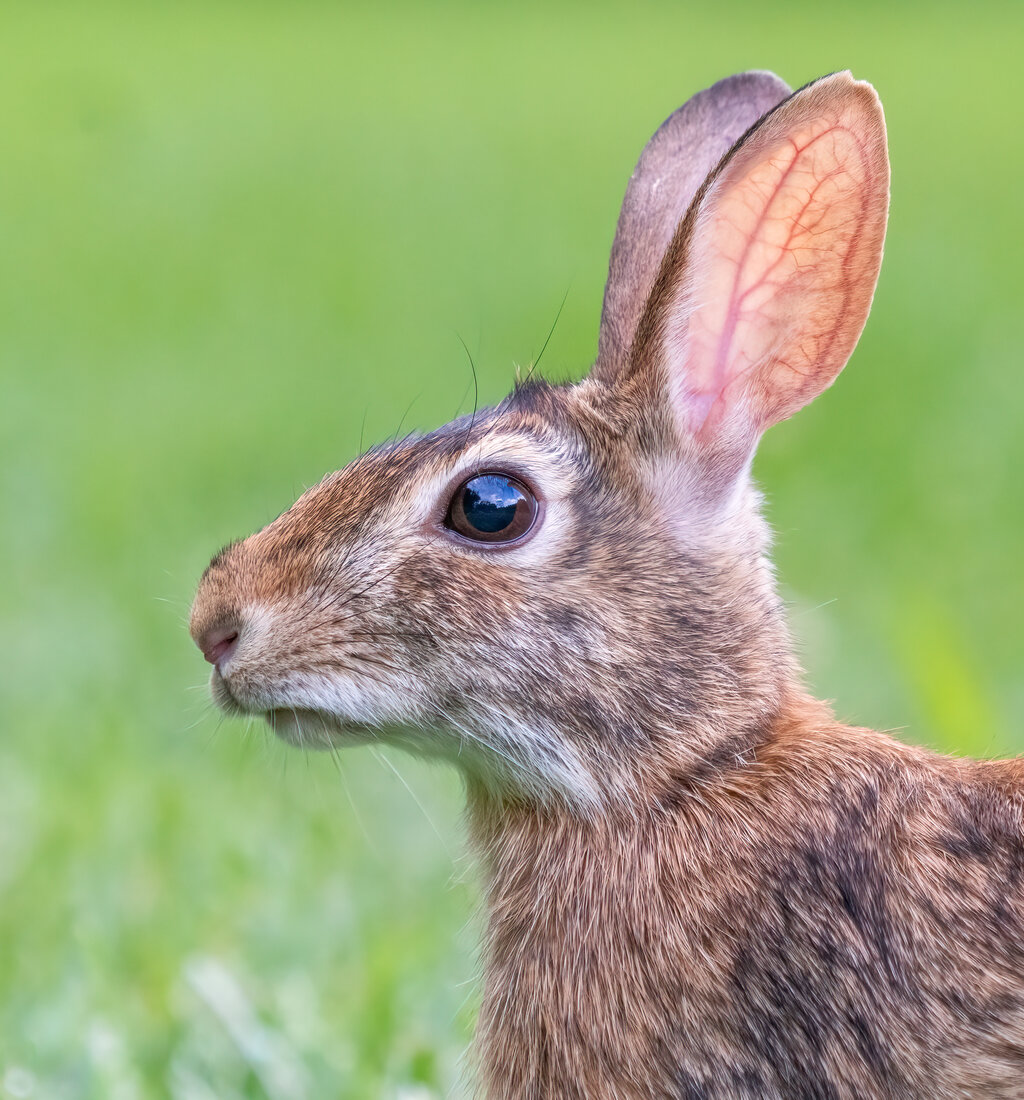
This unique dental structure is a defining feature of the order Lagomorpha, which includes rabbits, hares, and pikas. Within this group, rabbits and hares belong to the family Leporidae. There are dozens of species of rabbits all over the world, from the wild pygmy rabbit of North America to the many domesticated breeds kept as pets.
Rabbit vs Hare
It’s a common mistake to use the words "rabbit" and "hare" interchangeably. While they are close relatives, they are distinct species and cannot interbreed. You can spot the differences if you know what to look for, starting from the moment they're born.
| Feature | Rabbit | Hare |
|---|---|---|
| At Birth | Born blind, hairless, and helpless (altricial) | Born with fur and open eyes, can move quickly (precocial) |
| Home | Live in complex burrows or warrens underground | Live in simple nests above ground, called forms |
| Body | Generally smaller with shorter ears and legs | Typically larger with longer ears and powerful hind legs |
| Social Life | Often live in social groups | More solitary than rabbits |
| Domestication | European rabbits have been domesticated | Hares have not been domesticated |
The most dramatic difference is their development. Baby rabbits, called kits, are completely dependent on their mothers for the first few weeks. Baby hares, or leverets, are essentially miniature adults from day one. Hares also rely on sheer speed to escape predators, which is why they have such long, powerful back legs.

How Rabbits Communicate
Rabbits are prey animals, which shapes their entire world. They are naturally quiet and cautious, but they have a rich, subtle body language to communicate with each other and with you. Understanding these behaviors is key to knowing if a rabbit is happy, scared, or annoyed.
A joyful rabbit will perform an athletic leap and twist in the air. This delightful move is called a "binky." A relaxed and content rabbit might lie down with its legs stretched out, or sit tucked up neatly, resembling a loaf of bread. This "loaf" position indicates they feel safe.

On the other hand, a loud thump with a hind leg is a clear signal of alarm or displeasure. It's their way of warning others of potential danger or telling you to back off. They also use their nose to communicate. A gentle nudge can be a friendly greeting or a request for attention, while a more forceful shove might mean "get out of my way."
Grooming is another important social behavior. If a rabbit licks you or another rabbit, it's a sign of affection and bonding. Paying attention to these small actions will help you understand what your rabbit is thinking.
Ready to test your knowledge?
What key anatomical feature distinguishes lagomorphs, like rabbits, from rodents?
A rabbit that leaps and twists in mid-air is performing a behavior known as a 'binky'. What does this action signify?
Understanding these fundamentals of rabbit biology and behavior is the first step toward building a strong bond with these complex animals.