Bulky Yarn Sweater Knitting
Bulky Yarn Basics
Getting Cozy with Bulky Yarn
If you've ever wanted to knit a project that feels like it's flying off your needles, bulky yarn is your new best friend. Think of yarn as coming in different sizes, from thread-thin lace to extra-chunky jumbo. Bulky yarn sits on the heavier end of that spectrum.
It’s thick, substantial, and creates a fabric with a pleasingly chunky texture. Officially, it's classified as a weight #5 yarn, but you'll also see terms like "chunky" or "craft" yarn used to describe it.
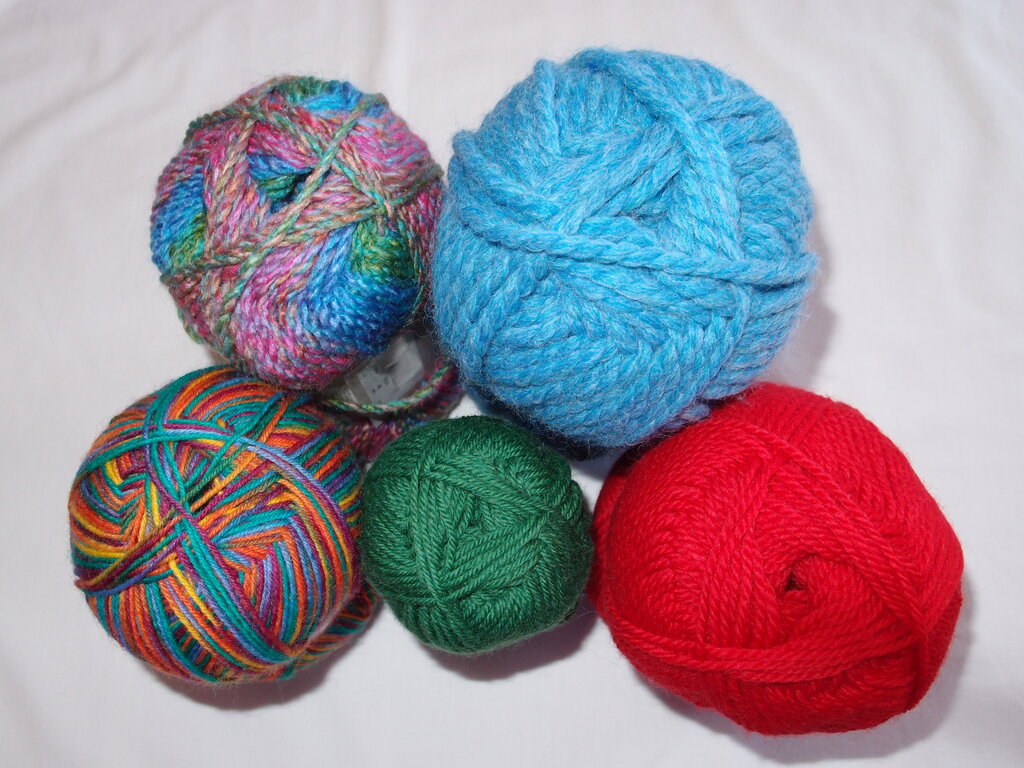
Quick Projects, Big Stitches
The biggest advantage of bulky yarn is speed. Because the yarn is so thick, your stitches are much larger. This means you knit fewer stitches and fewer rows to create the same amount of fabric you would with a thinner yarn. A scarf that might take a week with lightweight yarn can often be finished in a weekend, or even a single evening, with bulky yarn.
This makes it incredibly satisfying, especially for beginners who want to see results quickly. The large stitches are also easy to see, which helps when you're learning to read your knitting and fix mistakes.
The final fabric is thick, warm, and wonderfully cozy. It's perfect for winter accessories like hats, cowls, and scarves, as well as plush blankets and throws.
Bulky yarn is ideal for projects where warmth and speed are more important than intricate detail.
However, there are a few challenges. The thickness that makes bulky yarn fast can also obscure delicate patterns. Complicated lace or tiny, detailed cables can get lost in the chunkiness of the stitches. The finished projects can also be quite heavy, so a full-length bulky sweater might feel more like wearing a weighted blanket.
Finally, the sheer volume of the yarn means it can sometimes be tiring to work with. Your hands and wrists are doing more work to manage the thicker yarn and larger needles.
Choosing the Right Tools
You can't use your standard needles for bulky yarn. You need tools that match the yarn's size. For #5 bulky yarn, you'll typically use knitting needles in the range of US size 9 to 11 (or 5.5 to 8 mm).
Always check the yarn label. It will recommend a needle size to start with. This is just a suggestion, though, and you may need to adjust to get the fabric you want.
| Needle Material | Best For... |
|---|---|
| Wood or Bamboo | Beginners. They're less slippery, so stitches are less likely to slide off accidentally. |
| Metal | Speed. Experienced knitters often prefer the slick surface of metal needles for faster knitting. |
| Plastic | Affordability and a lightweight feel, good for very large projects. |
For bigger projects like blankets, consider using circular needles. Even if you're knitting flat (back and forth), a long circular needle can hold the weight of the project more comfortably in your lap, taking the strain off your wrists.
Let's check your understanding of these cozy, quick-knitting yarns.
According to the Craft Yarn Council's standard yarn weight system, what number is assigned to bulky yarn?
What is the primary reason that projects made with bulky yarn can be completed so quickly?
Now that you know the basics, you're ready to pick up some chunky yarn and cast on a fast, fun project.