Bulk Carrier Shipping Essentials
Introduction to Bulk Carrier Shipping
The Workhorses of the Sea
Imagine trying to move a mountain of sand with a teaspoon. That’s the problem global trade would face without bulk carriers. These massive ships are the world's heavy-duty haulers, designed for one specific job: moving huge quantities of unpackaged raw materials from one continent to another.
Unlike container ships carrying neatly packed boxes, bulk carriers transport loose cargo. Think of them as giant floating bins. Their cargo holds are cavernous, open spaces ready to be filled with commodities that fuel economies and build cities.
These vessels, which transport large quantities of unpackaged bulk cargo like coal, grains, and minerals, are a key component of international trade.
The idea isn’t new. For centuries, goods were shipped in sacks, barrels, and crates. But as industries grew after World War II, the demand for raw materials skyrocketed. A more efficient system was needed. The first purpose-built bulk carrier, the SS Sinclair Petrolore, was launched in 1955. It set the stage for a new era of shipping, where specialization led to massive gains in efficiency and lower costs.
Built for the Job
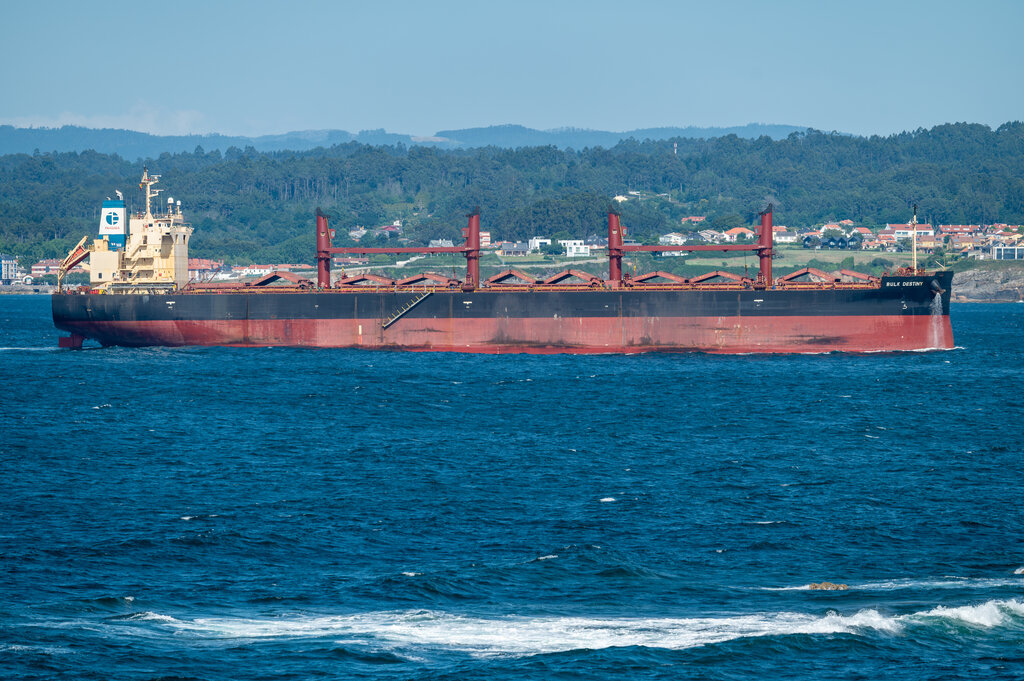
A bulk carrier's design is all about maximizing cargo space and ensuring stability. The most noticeable feature is a long, flat deck dotted with large hatch covers. These covers slide open to reveal the cavernous cargo holds below, allowing for quick loading and unloading.
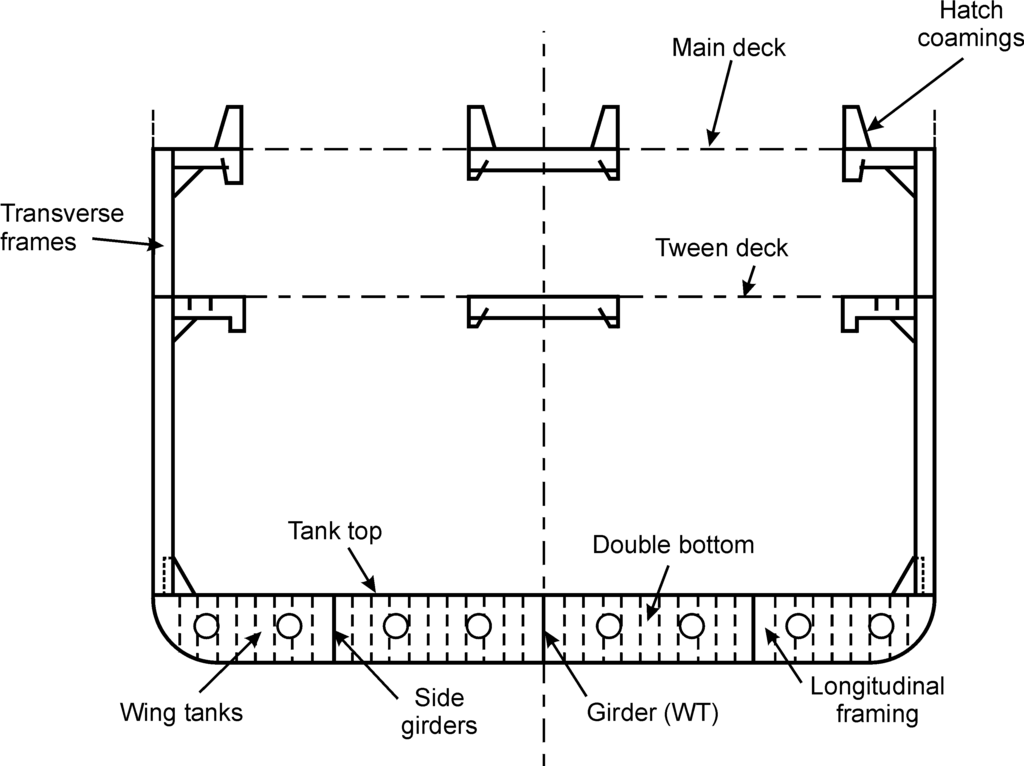
The ship's superstructure, which includes the bridge and crew accommodations, is almost always located at the stern (the back of the ship). This layout provides a long, unobstructed deck for cargo and cranes. The hull is typically built with a double bottom and reinforced sides to withstand the immense weight and pressure of the cargo, especially dense materials like iron ore.
These ships transport the foundational materials of our modern world. Major categories of cargo include:
- Iron Ore and Coal: The essential ingredients for making steel.
- Grains: Wheat, corn, soy, and rice that feed populations globally.
- Minerals: Bauxite (for aluminum), phosphate rock (for fertilizer), and other vital ores.
Basically, if it's a raw material that can be poured or piled, it probably travels on a bulk carrier.
Sizing Up the Fleet
Bulk carriers are not one-size-fits-all. They are categorized by their size, measured in deadweight tonnage (DWT), which is the total weight a ship can carry. These size classes are often determined by the geographical constraints of the world's shipping lanes, like the width and depth of canals and ports.
| Class | Typical DWT | Description |
|---|---|---|
| Handysize | 10,000–40,000 | Small and versatile, often equipped with their own cranes. |
| Supramax | 40,000–65,000 | A larger, flexible carrier also often equipped with cranes. |
| Panamax | 65,000–90,000 | The maximum size that can pass through the original Panama Canal locks. |
| Capesize | 90,000–200,000+ | Too large for the Panama or Suez canals; must travel around capes. |
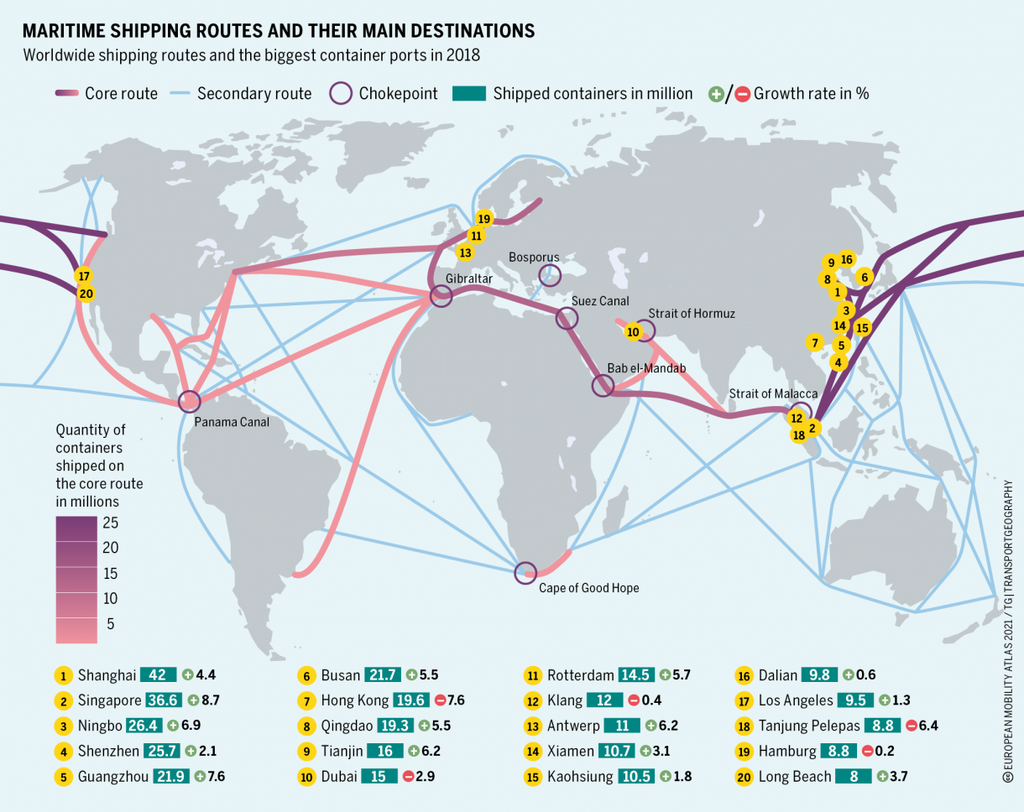
The names often give clues to their routes. Panamax vessels were designed specifically to fit the dimensions of the Panama Canal's original locks. The largest ships, known as Capesize, are too massive for either the Panama or Suez Canal. To travel between oceans, they must take the long way around South America's Cape Horn or Africa's Cape of Good Hope.
The smaller Handysize and Supramax vessels offer greater flexibility. Because many are geared, meaning they have their own cranes, they can serve smaller ports that lack extensive loading and unloading infrastructure.
These specialized vessels are a fundamental, if often unseen, part of the global supply chain. They quietly ensure that raw materials reach the factories, mills, and plants that need them.
Time to check your understanding of these maritime workhorses.
What is the primary function of a bulk carrier?
Why is the superstructure (which includes the bridge) on a bulk carrier typically located at the stern (rear) of the ship?
By understanding the design, cargo, and classifications of bulk carriers, you can better appreciate their critical role in connecting the world's resources with its industries.