Building Your Stock Portfolio
Understanding Investment Basics
Starting with the Basics
Investing is the process of putting your money to work, aiming to grow it over time. The two most common ways people start are with stocks and bonds. They might sound complicated, but the core ideas are quite simple.
Stock
noun
A type of security that signifies ownership in a corporation and represents a claim on part of the corporation's assets and earnings.
When you buy a stock, you're buying a small piece of a company. Think of it like buying a single slice of a giant pizza. If the pizza place does well and becomes more popular, your slice becomes more valuable. As an owner, you share in the company's potential successes. If the company grows and makes a profit, the value of your stock can go up. Of course, if the company struggles, the value can also go down.
Bond
noun
A fixed-income instrument that represents a loan made by an investor to a borrower (typically corporate or governmental).
A bond, on the other hand, is like being a lender. When you buy a bond from a company or a government, you're essentially giving them a loan. In return, they promise to pay you back the full amount on a specific date, and along the way, they pay you interest. It’s generally considered less risky than owning a stock because you're a lender, not an owner. You know exactly what your return will be, as long as the borrower doesn't default on the loan.
The Dance of Risk and Return
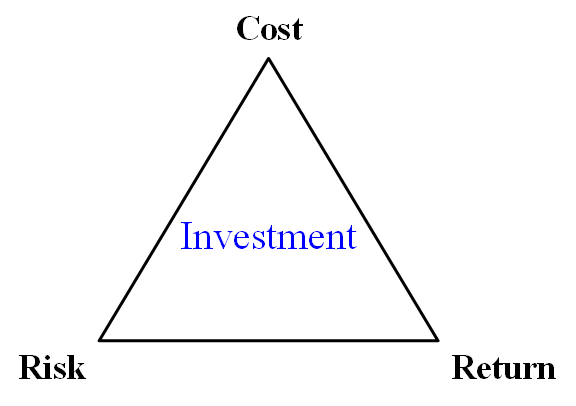
Every investment involves a trade-off between risk and return. This is one of the most fundamental concepts in finance.
In short, the higher the potential return you hope to get from an investment, the more risk you'll likely have to accept.
Think about it this way. A savings account at a bank offers very low risk; your money is insured and safe. But it also offers a very low return, often barely keeping up with inflation. On the other end of the spectrum, investing in a brand-new startup is very risky. The company could fail, and you could lose your entire investment. But if it succeeds, the potential return could be enormous.
Most investments fall somewhere between these two extremes. Stocks are generally riskier than bonds but offer the potential for higher returns. Understanding this relationship is key to deciding where to put your money.
Know Your Destination
Before you start investing, it's crucial to know what you're investing for. Setting clear financial objectives is like programming a destination into your GPS before you start driving. Without a goal, you're just wandering.
Are you saving for a down payment on a house in five years? Or are you investing for retirement in 30 years? These are very different goals with different time horizons.
Your time horizon—how long you have until you need the money—is a major factor in how you should invest. A longer time horizon generally allows you to take on more risk because you have more time to recover from any market downturns.
For a short-term goal, like that house down payment, you might choose less risky investments because you can't afford to lose money right before you need it. For a long-term goal like retirement, you might be more comfortable with higher-risk investments like stocks, which have historically provided higher returns over long periods.
Defining your goals and timeline gives your investment strategy purpose and helps you make smarter decisions that align with your life.
When you buy a stock, what are you purchasing?
In the world of investing, an investment with a high potential return will generally have ____ risk.
Understanding these basic building blocks—stocks, bonds, risk, return, and your own goals—is the first step on your investment journey.