Building Your Own LLM
Introduction to LLMs
What Are Large Language Models?
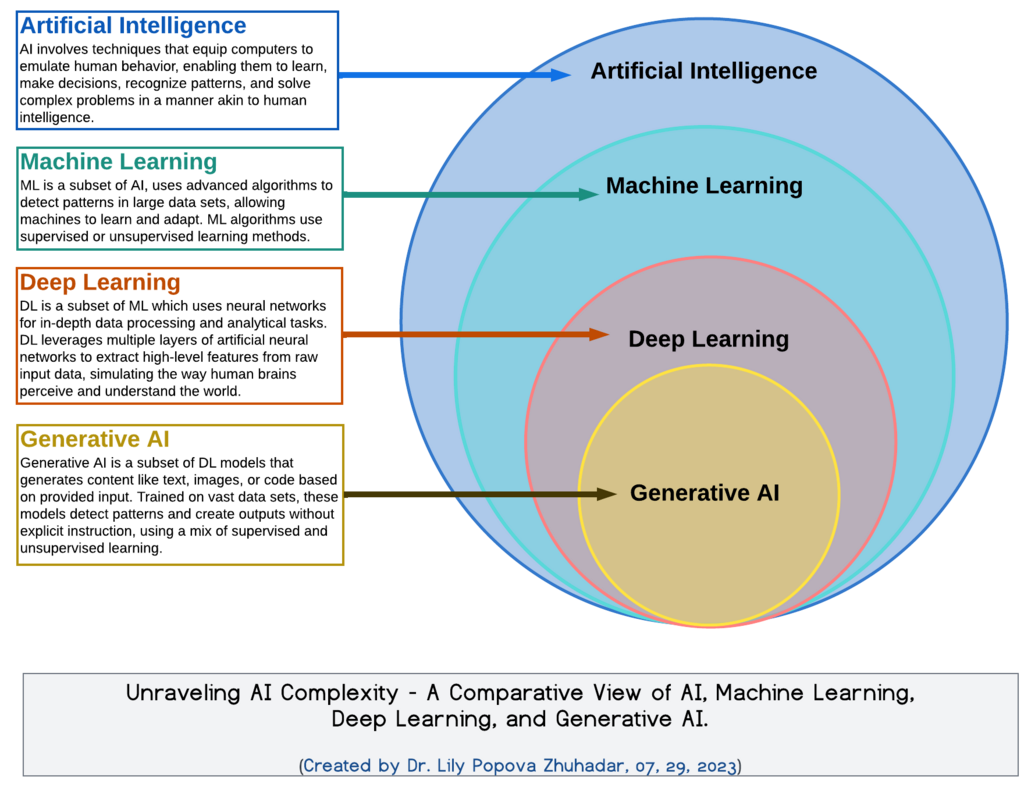
At its core, a large language model, or LLM, is a type of artificial intelligence designed to understand and generate human-like text. Think of it as an incredibly advanced autocomplete. It has been trained on a vast amount of text data from the internet, books, and other sources, allowing it to learn the patterns, grammar, context, and nuances of human language.
Large language models (LLMs) are AI systems that understand and create human language, doing tasks like summarizing articles, answering questions, writing code, and more.
This ability to process and produce text makes LLMs a cornerstone of Natural Language Processing (NLP), a field of AI focused on enabling computers to understand and interact with human language. Before LLMs, NLP tasks were often handled by separate, specialized models. An application might have one model for translation and another for summarizing. LLMs are significant because they can often perform many of these different tasks with a single, general-purpose model.
A Brief History
The idea of teaching machines language isn't new. For decades, scientists worked on statistical models that could predict the next word in a sequence based on the probability of what came before. These were called statistical language models (SLMs). They were useful but limited, often struggling with long-term context and generating text that felt unnatural.
The modern era of LLMs was kicked off by advancements in deep learning and a specific architecture called the Transformer, introduced in 2017. This new approach allowed models to handle much longer sequences of text and weigh the importance of different words when making predictions. This breakthrough, combined with access to massive datasets and more powerful computers, enabled the creation of the powerful and versatile LLMs we see today.
Over extensive research spanning decades, language modeling has progressed from initial statistical language models (SLMs) to the contemporary landscape of large language models (LLMs).
The Basic Principle
How does an LLM actually generate text? The fundamental principle is surprisingly simple: it predicts the next word in a sentence. When you give it a prompt, like "The sun is shining and the birds are," the model calculates the most probable word to come next. It might determine "singing" has a 75% probability, "chirping" has a 20% probability, and "flying" has a 5% probability.
It makes this prediction based on the patterns it learned from its training data. After picking a word, it adds that word to the sequence and repeats the process, predicting the next word after that. By doing this over and over, it can generate entire sentences, paragraphs, and even essays that are coherent and contextually relevant.
This probabilistic approach is what gives LLMs their creative and flexible nature. By sometimes choosing less probable words, they can generate more interesting and varied text instead of always producing the most predictable response.
What Can LLMs Do?
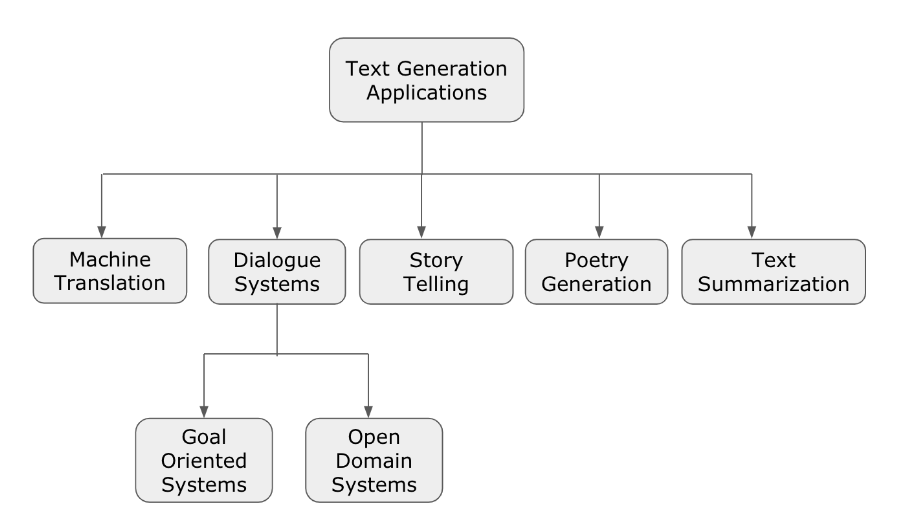
The general-purpose nature of LLMs allows them to be applied to a vast range of tasks, transforming many AI applications. Some common uses include:
- Content Creation: Writing emails, articles, marketing copy, and even poetry.
- Summarization: Condensing long documents or articles into key points.
- Translation: Translating text between different languages.
- Chatbots and Virtual Assistants: Powering conversational AI that can answer questions and assist users.
- Code Generation: Writing snippets of computer code based on a natural language description.
- Sentiment Analysis: Determining the emotional tone of a piece of text.
Now that you have a foundational understanding of what LLMs are and why they're important, let's review the key terms.
Ready to check your understanding? Let's tackle a few questions.
What is the fundamental principle by which a large language model generates text?
True or False: Before the rise of modern LLMs, a single AI model was typically used to handle a wide variety of different NLP tasks like translation, summarization, and sentiment analysis.
Understanding these basics is the first step. Next, we'll look at the data that fuels these powerful models.