Building Your First AI Agent
Introduction to AI Agents
What Are AI Agents?
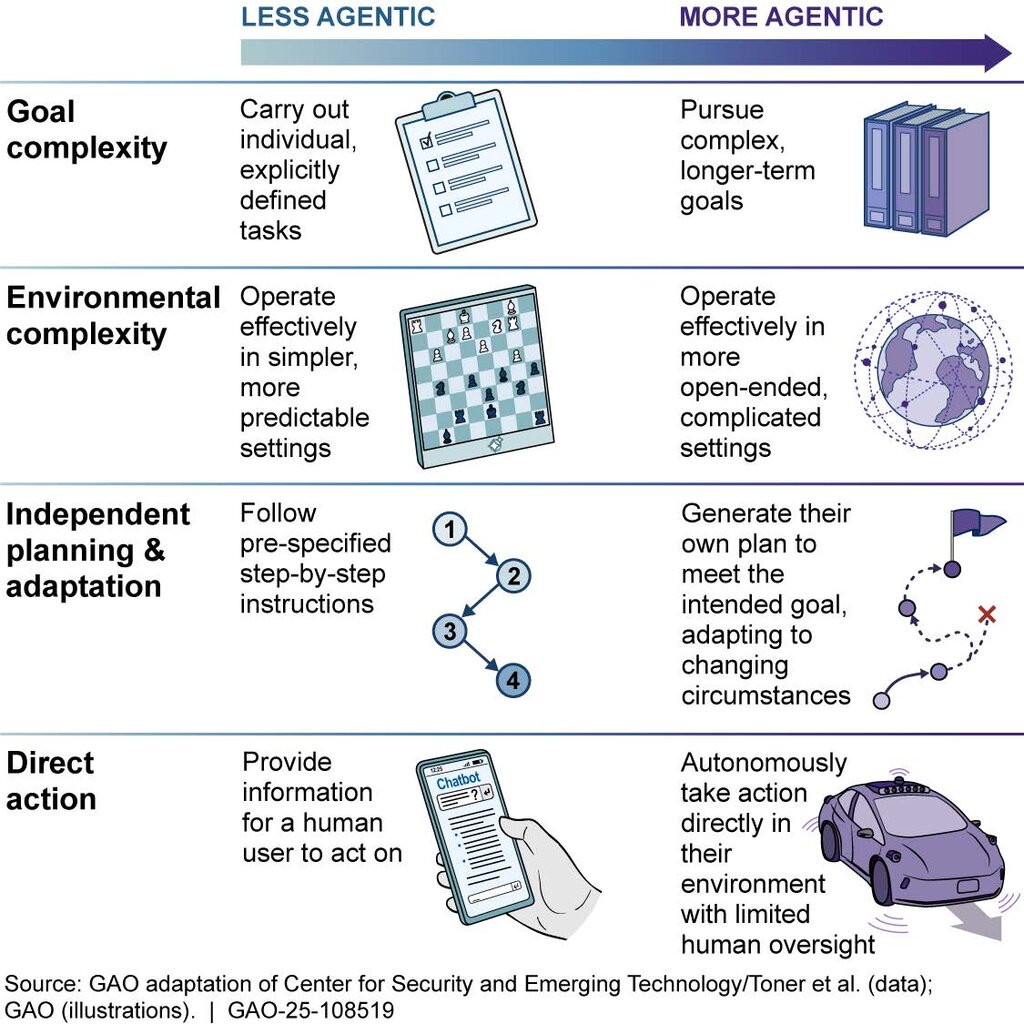
An AI agent is a program that can act on your behalf, independently. Think of it less like a simple tool and more like an autonomous assistant. While a standard computer program follows a strict set of pre-written instructions, an AI agent can perceive its environment, make decisions, and take actions to achieve a specific goal. It has a degree of freedom that traditional software doesn't.
AI agents are the foundation of many intelligent systems which helps them to understand their environment, make decisions and take actions to achieve specific goals.
This isn't just about chatbots that answer questions. An agent might be tasked with booking a complex trip, managing your email inbox, or even monitoring a factory's supply chain for inefficiencies. The key is autonomy. You give it a goal, and it figures out the steps to get there, adapting to new information as it goes.
Agent
noun
In artificial intelligence, an agent is an autonomous entity that observes its environment through sensors and acts upon that environment through actuators to achieve its goals.
Traditional automation is rigid. If you create a script to copy a file from folder A to folder B, it will do exactly that, and only that. If folder A is moved, the script breaks. An AI agent, on the other hand, is designed to be more flexible. If given the goal of organizing files, it might notice folder A has moved, find its new location, and continue the task. This ability to reason and adapt is what makes agents so powerful.
The Core Components
To understand how an AI agent works, it helps to break it down into its fundamental parts. You can think of these components like a person's ability to sense, think, and act.
-
Perception (Sensors): This is how the agent gathers information about its environment. For a software agent, sensors aren't physical cameras or microphones. Instead, they are things like API calls, data streams, user text inputs, or notifications from other systems. It's the agent's way of 'seeing' the digital world it operates in.
-
Reasoning & Decision-Making: This is the brain of the operation. Once the agent perceives its environment, it uses a reasoning engine, often a large language model (LLM), to process that information. It analyzes the situation, considers its goal, and plans a sequence of actions. This is where the 'intelligence' happens.
-
Action (Actuators & Tools): After deciding what to do, the agent needs to act. Its 'actuators' are the tools it has at its disposal. This could mean sending an email, calling an API, writing code, or updating a database. The agent executes these actions to make changes to its environment and move closer to its goal.
Agents in the Wild
The applications for AI agents are broad and growing. They aren't just theoretical concepts; they are actively being used in various industries.
- Customer Service: AI agents can manage support tickets, understand customer issues, and provide solutions. They can even escalate complex problems to human agents, providing a full summary of the issue so far.
- E-commerce: An agent can act as a personal shopper, asking a user questions about their preferences and then searching across multiple websites to find the perfect product, even comparing prices and shipping times.
- Software Development: Agents can help developers by writing boilerplate code, running tests, and even debugging simple errors. This frees up human developers to focus on more complex, creative problems.
- Personal Productivity: An agent could manage your calendar, scheduling meetings by coordinating with the calendars of other attendees, booking a room, and adding a video call link, all from a single request like "Schedule a 30-minute project sync with the design team for next week."
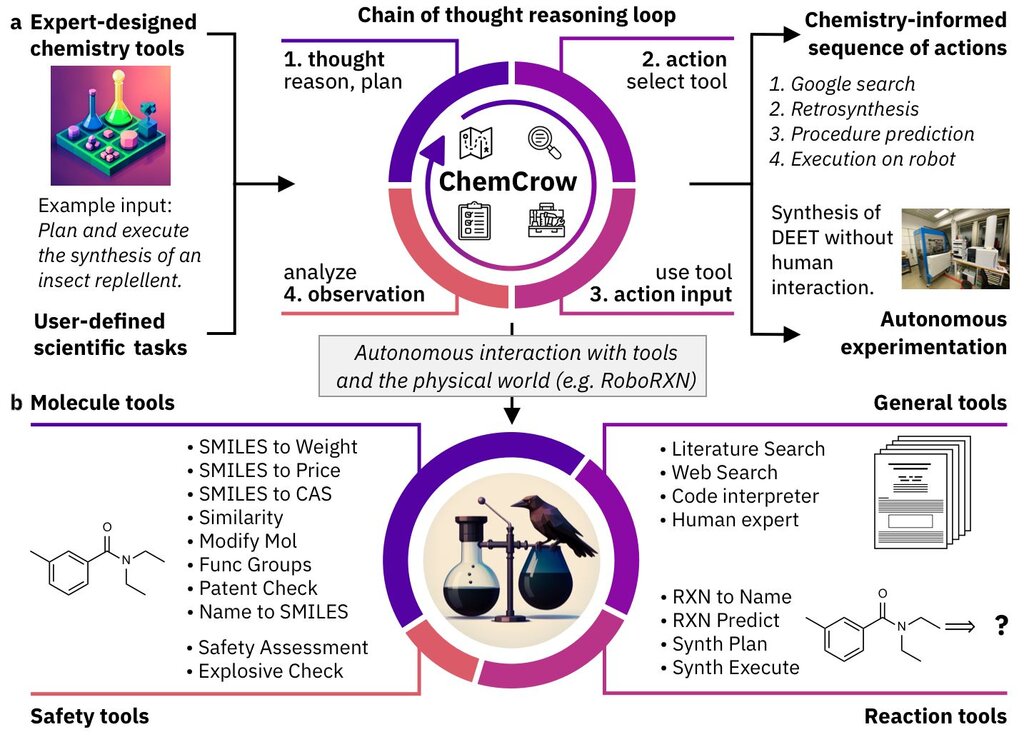
As these systems become more capable, they will move from handling simple, isolated tasks to managing complex, multi-step workflows, becoming true partners in our personal and professional lives.
What is the primary characteristic that distinguishes an AI agent from a traditional, scripted program?
In the context of an AI agent, which component is analogous to the 'brain' of the operation, where it processes information and plans a sequence of actions?
This introduction lays the groundwork for understanding what AI agents are. With these core concepts in mind, you'll be ready to explore how they are built and selected for specific tasks.