Building Your First AI Agent
Introduction to AI Agents
Meet the AI Agent
Think of a simple thermostat. It senses the room's temperature (perception), checks if it's below the target (decision), and turns on the heat if needed (action). In a nutshell, this is what an AI agent does. It’s a system that can operate on its own to reach a specific goal.
An AI agent is essentially a system or program designed to perceive its environment, make decisions, and take actions to achieve specific goals—all without constant human input.
Agents aren't just about simple tasks. Their behavior is defined by a few key traits.
| Characteristic | Description |
|---|---|
| Autonomy | It operates independently without constant human guidance. |
| Reactivity | It perceives its environment and responds to changes in it. |
| Proactivity | It takes initiative to achieve goals, not just reacting to events. |
| Social Ability | It can communicate and cooperate with humans or other agents. |
Types of Agents
Not all agents work the same way. They can be categorized based on how they decide what to do. Let's look at three common types.
Reactive Agent
noun
Acts only based on the current state of its environment, following a simple 'if-then' rule.
These agents are fast and simple, but they don't have memory or plan for the future. They live completely in the present moment.
Think of a reactive agent like touching a hot stove. You don't think about it, you just pull your hand back instantly. It's a direct reaction to what you sense.
Deliberative Agent
noun
Considers the consequences of its actions and makes plans to achieve its goals.
Also known as model-based agents, these systems maintain an internal model of the world. They use this model to think ahead about "what if I do this?" before acting. This allows for much more complex and intelligent behavior than a purely reactive agent.
Hybrid Agent
noun
A combination of reactive and deliberative approaches, using both immediate responses and long-term planning.
Hybrid agents get the best of both worlds. They can react quickly to immediate dangers or opportunities while still working toward a larger, more complex goal. Most sophisticated AI agents today, from robotic explorers to advanced game AI, are hybrid in nature.
Agents in the Wild
AI agents are already a huge part of modern technology, even if we don't always call them by that name. They are the engines behind automation and smarter decision-making.
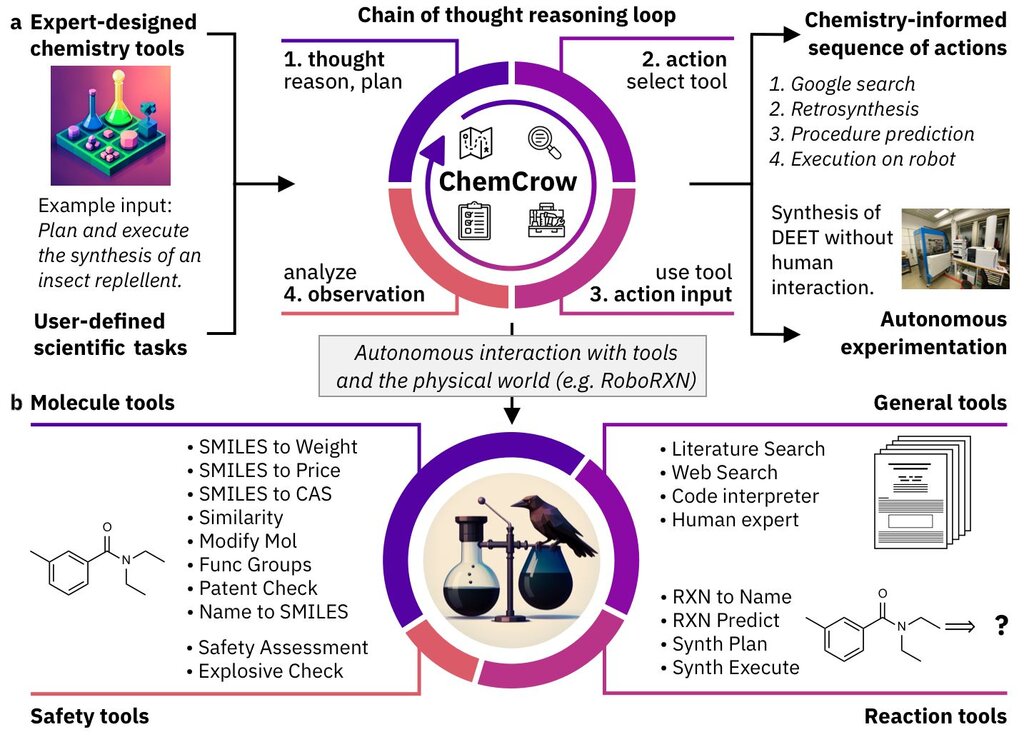
Here are just a few examples:
- Siri and Alexa: These voice assistants perceive your spoken commands, process them to understand your goal, and act by playing music, setting a timer, or searching the web.
- Spam Filters: An email spam filter perceives incoming messages, decides if they match the characteristics of spam, and acts by moving them to your junk folder.
- E-commerce Bots: When you shop online, agents might manage inventory, adjust prices based on demand, or provide personalized product recommendations.
- Financial Trading: Automated systems act as agents that monitor market conditions, predict stock movements, and execute trades to maximize profit.
As you can see, AI agents are powerful tools for automating tasks and enhancing how we interact with technology. They are the crucial step that turns passive data analysis into active, goal-oriented behavior.
Time to check what you've learned.
An AI agent, like a thermostat, operates in a continuous cycle. What are the three fundamental steps in this cycle?
An agent that acts only on what it currently senses, without any memory of the past, is known as a _______ agent.