Building Wealth Through Investing
Understanding Financial Goals
What Are You Working Toward?
Before you start a road trip, you pick a destination. It sounds obvious, but many people approach their finances without a clear idea of where they're going. Financial goals are the destinations on your financial map. They give your money a purpose and turn vague hopes like "I want to be rich" into a concrete plan.
All financial planning starts with setting goals.
Without a target, you're just saving and investing without direction. A goal helps you answer critical questions: How much do you need to save? How should you invest it? When will you need the money? Knowing what you're working toward is the first and most important step in building a successful financial life.
Sorting Your Goals by Time
Not all goals are created equal. The most useful way to categorize them is by their time horizon—when you'll need the money. This timeline is the single most important factor in shaping your strategy for achieving each goal.
| Goal Type | Time Horizon | Examples |
|---|---|---|
| Short-Term | 1-3 years | Emergency fund, vacation, new car |
| Mid-Term | 3-10 years | House down payment, wedding, starting a business |
| Long-Term | 10+ years | Retirement, children's college education |
Why does the timeline matter so much? Because it dictates the kind of investment strategy you should use. For a short-term goal like saving for a vacation next year, your priority is preserving your money. For a long-term goal like retirement in 30 years, you can focus more on growing your money over time.
Think of it like packing for a trip. A weekend getaway requires a small bag with just the essentials. A month-long trek across a continent requires a large suitcase with careful planning. Your financial goals work the same way.
From Vague Wishes to Clear Targets
A goal like "save for a house" is a good start, but it's not a plan. To make your goals effective, they need to be specific. A popular and useful framework for this is setting S.M.A.R.T. goals.
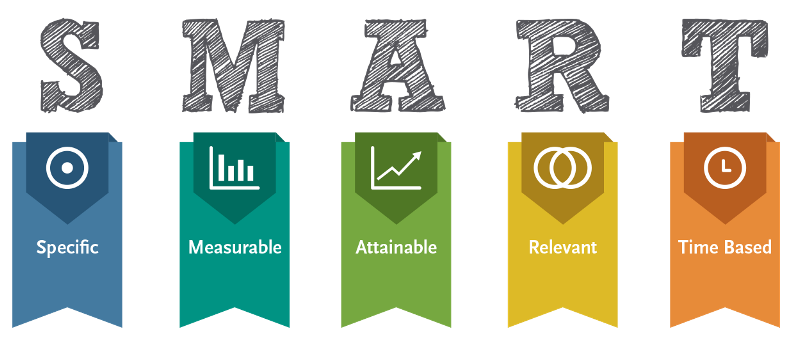
Let's break down how to turn a vague wish into a S.M.A.R.T. goal using the example of buying a home.
-
Specific: Don't just say "buy a house." Instead, try: "Save for a 20% down payment on a house in my target neighborhood."
-
Measurable: How much is that down payment? If the average home price is $400,000, your target is $80,000. Now you have a number to work toward.
-
Achievable: Can you realistically save $80,000? Look at your income and expenses. If your target is too high, you might need to adjust your goal, perhaps by looking at less expensive homes or aiming for a smaller down payment.
-
Relevant: Does this goal align with your life plans? If you plan to move for a new job in two years, buying a home might not be the right goal for you right now.
-
Time-bound: Give yourself a deadline. "I will save $80,000 for a down payment in five years." This creates urgency and helps you calculate how much you need to save each month ($80,000 ÷ 60 months = about $1,333 per month).
The goal transformed from "buy a house" to "save 💲1,333 per month for the next five years to reach a total of 💲80,000 for a down payment." One is a dream. The other is a plan.
Prioritizing What Matters Most
Most people have multiple financial goals at once. You might be saving for retirement, planning a wedding, and trying to pay off student loans. You can't do everything at once, so you need to prioritize.
There's no single right way to do this. It's deeply personal. A good way to start is by ranking your goals based on two factors: importance and urgency.
-
Importance: How critical is this goal to your life and well-being? Retirement and an emergency fund are usually high-importance. A new luxury car might be lower.
-
Urgency: How soon do you need the money? A down payment for a house you want to buy in two years is more urgent than funding your retirement in 30 years.
Your most critical goals are those that are both important and urgent. These should get the biggest share of your attention and resources. But don't neglect important but less urgent goals, like retirement. Even small, consistent contributions early on can grow into a large sum over time. The key is to find a balance that works for you.
Once you have clear, prioritized goals, they become the foundation for your investment strategy. Every decision you make should be in service of these goals. Instead of chasing the latest hot stock, you can build a plan tailored to your unique timeline and objectives. This goals-based approach is the most reliable path to achieving the financial future you want.