Building Wealth Sustainably
Introduction to Wealth Creation
Building Your Financial Foundation
Wealth isn't about giant piles of cash or owning a private jet. For most of us, it’s about financial security, freedom, and the ability to live life on our own terms. It’s about having enough resources to handle emergencies, pursue passions, and retire comfortably.
Building wealth isn’t a get-rich-quick scheme. It’s a deliberate process that starts with a solid plan. You don't stumble into financial stability; you build it, brick by brick.
Building wealth is not just about accumulating money; it's a strategic and intentional process that involves careful planning, disciplined budgeting, and smart financial habits.
Set Your Destination
You wouldn’t start a road trip without a destination in mind. The same is true for your finances. Before you can build wealth, you need to know what you’re building it for. These are your financial goals.
A financial goal is a specific, measurable target for your money. It could be short-term, like saving $1,000 for an emergency fund in the next six months. It could be medium-term, like saving $20,000 for a down payment on a house in five years. Or it could be long-term, like accumulating enough money to retire in 30 years.
Clear goals give your financial decisions purpose. They make it easier to say no to small, impulsive purchases because you have a bigger, more important 'yes' you're working toward. Start by writing down what you want to achieve. Be specific about the amount you need and the timeline to get there.

Time Is Your Greatest Asset
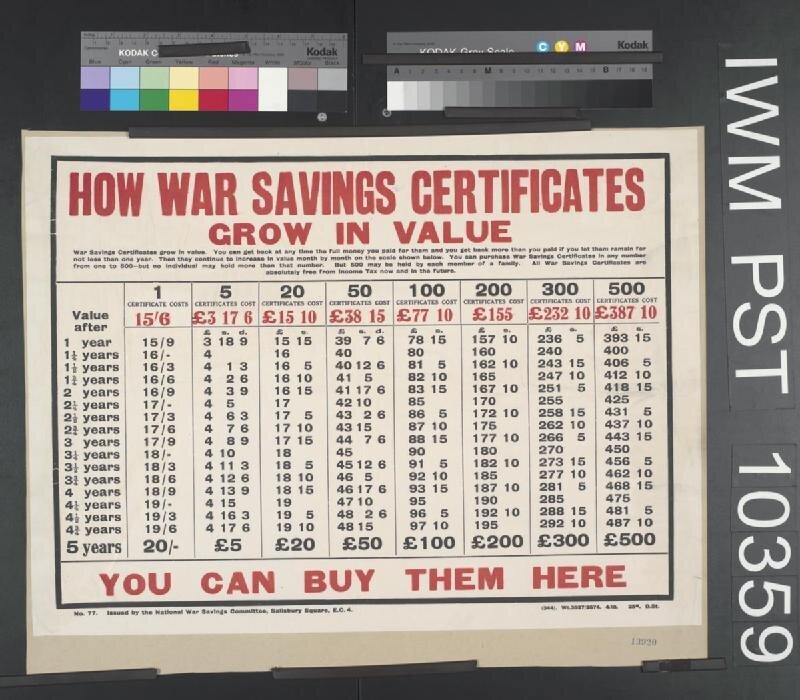
One of the most powerful concepts in finance is the time value of money. It’s the idea that money available to you right now is worth more than the same amount in the future. Why? Because the money you have today can be invested and start earning more money. This earning potential is what makes time your most valuable financial asset.
This is the magic of compounding. When you invest, you earn a return. The next year, you earn a return on your original investment plus the return you earned before. Over time, this creates a snowball effect, and your money grows at an accelerating rate. The formula for an investment's future value (FV) is simple:
Here, is the present value (your initial investment), is the annual interest rate, and is the number of years the money is invested. The exponent shows just how powerful time is in this equation. The longer you let your money grow, the more significant the result.
Imagine you invest 💲1,000 at a 7% annual return. After 10 years, you'd have about 💲1,967. But if you leave it for 30 years, you'd have over 💲7,600. The last 20 years of growth are far more powerful than the first 10.
The Silent Erosion of Inflation
While compounding works to grow your money, another force is working to shrink its value: inflation. Inflation is the rate at which the general level of prices for goods and services rises, and subsequently, the purchasing power of currency falls.
Think about it this way: if a coffee costs $3 today and inflation is 3% per year, that same coffee will cost about $3.09 next year. Your $3 can no longer buy you a coffee. Money sitting in a checking account with near-zero interest is effectively losing value every single day.
This is why simply saving cash isn't enough to build long-term wealth. Your money needs to be growing at a rate that is at least equal to, and hopefully greater than, the rate of inflation. Your investments must outpace inflation to actually increase your purchasing power.
Know Where Your Money Goes
You can't direct your money toward your goals if you don't know where it's going. This is where budgeting and expense tracking come in. They are the foundational tools for taking control of your financial life.
A budget is simply a plan for your money. It allocates your income toward your expenses, savings, and debt repayment. It's not about restriction; it's about empowerment. A budget gives you permission to spend money on the things you value.
Start by tracking every dollar you spend for a month. You can use an app, a spreadsheet, or a simple notebook. You'll likely be surprised where your money is actually going. Once you have this data, you can create a realistic budget that aligns your spending with your goals. This simple habit is often the single most important step toward building wealth.
A budget tells your money where to go, instead of you wondering where it went.
With these core concepts in mind, you have the building blocks to start your journey. Let's review what we've covered.
Ready to test your knowledge?
What is the primary reason that money you have today is considered more valuable than the same amount in the future?
Inflation is the rate at which the purchasing power of money increases over time.
By setting clear goals, understanding how time and inflation affect your money, and tracking your spending, you've laid a strong foundation for a secure financial future.