Building Video Generation Models
Introduction to Video Generation
From Still Images to Moving Pictures
At its core, generating a video with AI is about creating a sequence of images, or frames, that flow together to create the illusion of motion. Think of a simple flipbook. Each page is slightly different from the last, and when you flip them quickly, a character appears to move. AI video models do something similar, but on a much more complex scale. They don't just create random images; they learn the patterns of how things move and change over time.
This technology is already being used in many ways. Filmmakers can create stunning visual effects without massive budgets. Advertisers can generate custom commercials in minutes. Social media creators can produce unique content without ever picking up a camera. It's also a powerful tool for prototyping, allowing designers and architects to visualize their ideas in motion.
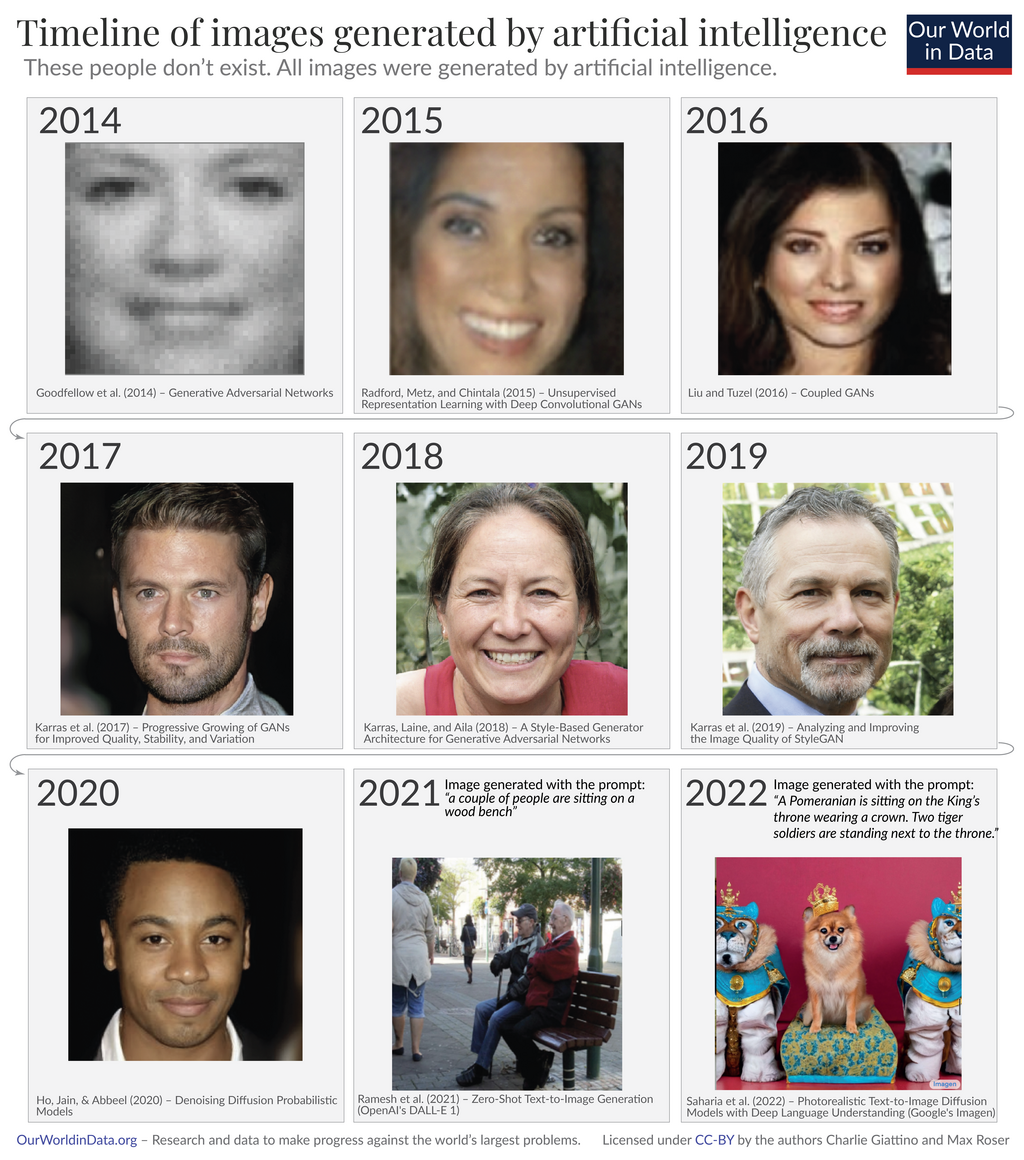
A Brief History
The journey to realistic AI video didn't happen overnight. It began with the successes in AI image generation. Early attempts at video were often short, blurry, and low-resolution. They looked more like glitchy GIFs than coherent scenes. The models were essentially trying to predict the next frame based on the previous one, which often led to strange and unpredictable results.
Over time, researchers developed more sophisticated approaches. Instead of just looking at the last frame, models began to consider the entire sequence, allowing them to create more logical and consistent motion. The quality jumped significantly, moving from abstract, dreamlike clips to short, plausible scenes. This evolution was powered by better algorithms and, crucially, access to massive amounts of video data from the internet for the AI to learn from.
The Core Challenges
Creating a believable video is much harder than creating a single image. A video isn't just a collection of good-looking frames; those frames must connect logically. This introduces several major hurdles for AI.
| Challenge | Why It's Hard |
|---|---|
| Temporal Coherence | Objects need to stay consistent. A person's shirt shouldn't change color, and a cat shouldn't suddenly have five legs. |
| Realistic Motion | The world follows the laws of physics. AI has to learn concepts like gravity, momentum, and how objects interact without being explicitly taught. |
| Computational Cost | A single second of video can contain 30 or more high-resolution images. Processing all that data requires immense computing power. |
| Understanding Context | For a video to make sense, the AI needs to understand the story or action it's trying to create, not just the pixels. |
Temporal coherence, or consistency over time, is perhaps the biggest challenge of all. In a single generated image, a person might have five fingers. But in a video, ensuring they have five fingers in every single frame for several seconds is a monumental task. The model must remember what an object is and what it looks like from one moment to the next.
One of the most significant challenges in AI video generation has historically been maintaining character consistency across different scenes, angles, and temporal frames.
Imagine telling an AI to create a video of a ball bouncing. The model has to generate a believable ball, make it fall at a realistic speed, have it compress when it hits the ground, and then rebound upwards, losing a bit of energy each time. Getting every part of that simple action right is a complex dance of pixels and probability.
At its most basic level, AI video generation is analogous to what simple, traditional animation device?
What is the term for the major challenge in AI video generation that refers to maintaining the consistency of objects and scenes over time?
As these models improve, they open up new possibilities for creativity and communication. But the path forward involves solving these fundamental challenges of consistency, motion, and scale.