Building Self-Confidence and Emotional Resilience
Understanding Emotional Immaturity
What It Means to Be Emotionally Immature
Emotional maturity isn't about age. It's about how a person handles their feelings, relates to others, and takes responsibility for their actions. An emotionally immature parent is an adult who hasn't fully developed these emotional skills. They often struggle to cope with their own feelings, which makes it difficult for them to meet the emotional needs of their children.
This isn't about being a "bad" parent or not loving a child. Often, these parents are doing the best they can with the emotional tools they have. Their behavior stems from their own unresolved issues, not a lack of love. However, their limitations can still have a profound effect on a child's development and self-worth.
Emotional Immaturity
noun
A state in which an individual has not developed the capacity to manage their emotions, empathize with others, or take personal responsibility in a way that is appropriate for their age.
Common Characteristics
Emotionally immature parents display a range of behaviors. While not every parent will show every trait, a few common patterns tend to emerge.
Their world revolves around their own feelings. They experience life from a self-referential point of view, and their children's needs often take a backseat.
One key trait is difficulty managing emotions. They might have explosive outbursts over small issues or, conversely, shut down and become emotionally unavailable. They react based on impulse rather than thoughtful consideration. Because they can't regulate their own feelings, they are often uncomfortable with their child's emotions, dismissing them with phrases like "You're being too sensitive" or "Just get over it."
A related characteristic is a lack of empathy. They struggle to step into their child's shoes and see things from their perspective. A child's success might feel like a reflection on the parent, while a child's struggles might be perceived as a personal inconvenience or embarrassment. This self-centeredness means the parent-child relationship can feel reversed, with the child learning to care for the parent's emotional needs.
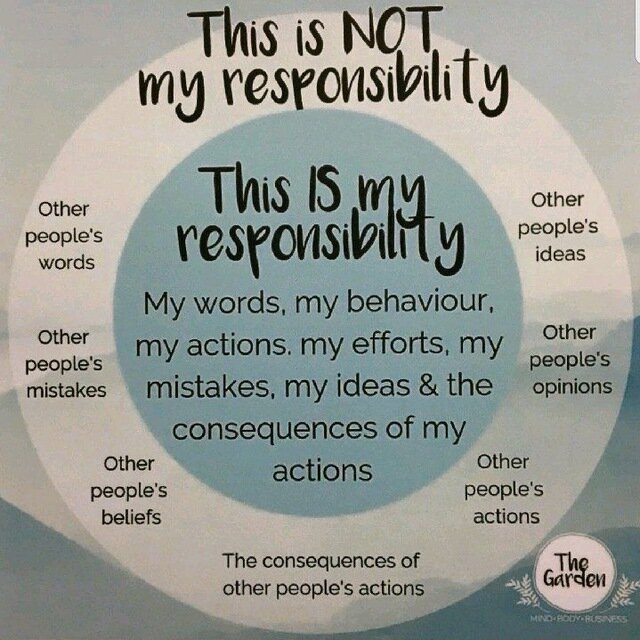
Finally, these parents often avoid taking responsibility. When conflicts arise, they are quick to blame others, including their own children. They rarely offer a sincere apology because they struggle with self-reflection. Admitting a mistake would feel like a threat to their fragile sense of self-worth. Instead, they might rewrite history or deny that an event happened to avoid feeling guilt or shame.
The Impact on a Child
Growing up with an emotionally immature parent shapes a child’s inner world. When a parent can't provide consistent emotional support, children often learn to suppress their own feelings. They may conclude that their needs aren't important or that expressing emotion is unsafe.
This can lead to a sense of deep-seated loneliness, even within the family. Children may become highly self-reliant, learning not to ask for help because they know it won't be given. They might also develop a pattern of being the "caretaker" in relationships, always tending to others' needs while ignoring their own. This dynamic hinders the development of a strong, independent sense of self.
Ultimately, the child of an emotionally immature parent often grows up feeling emotionally unseen. Recognizing these patterns is the first step toward understanding their origins and their effect on your life.