Building Productivity Apps
Understanding Productivity Applications
What Are Productivity Apps?
At their core, productivity applications are digital tools designed to help you manage your tasks, time, and information more effectively. Think of them as a personal assistant, a super-organized binder, or a team coordinator, all living on your computer or phone. Their main job is to clear away the clutter so you can focus on what truly matters.
The goal isn't just to do more work, but to work smarter. These apps help streamline your workflow, which is the series of steps you take to complete a task or project. By organizing this process, they reduce the mental energy spent on remembering deadlines, finding files, or figuring out what to do next. This frees you up to concentrate on the actual creative and problem-solving parts of your work.
Productivity apps help you focus on what’s important, not just what’s urgent.
Key Features That Make a Difference
While productivity apps come in many shapes and sizes, most share a few common features that make them so powerful. These are the building blocks of a more organized and efficient way of working.
| Feature | How It Helps |
|---|---|
| Task Management | Lets you create to-do lists, set due dates, and prioritize what's next. |
| Collaboration Tools | Allows teams to share notes, assign tasks, and track progress together. |
| Organization | Uses tags, folders, or projects to group related items so they're easy to find. |
| Reminders & Notifications | Pings you about upcoming deadlines so nothing slips through the cracks. |
| Integrations | Connects with other tools you use, like your email or calendar, for a seamless flow. |
These features work together to create a central hub for your work, whether you're managing a personal project or coordinating with a large team.
Types of Productivity Tools
Productivity software isn't one-size-fits-all. Different tools are designed for different needs, but they generally fall into a few key categories.
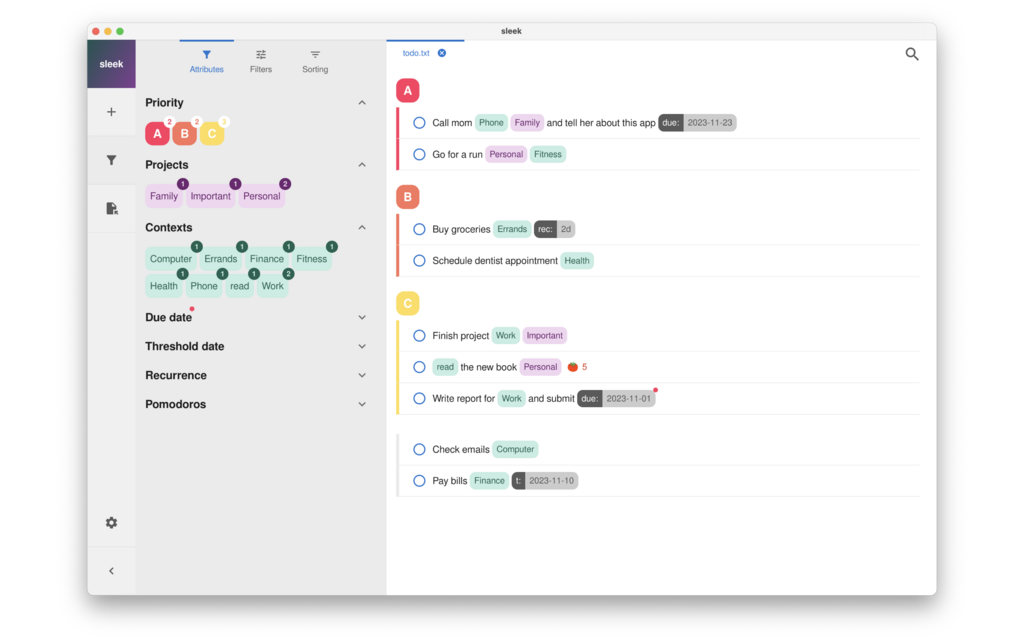
Task Managers are the digital equivalent of a to-do list. They are perfect for individuals or small teams who need to track specific action items. You can list what you need to do, set deadlines, and check things off as you complete them.
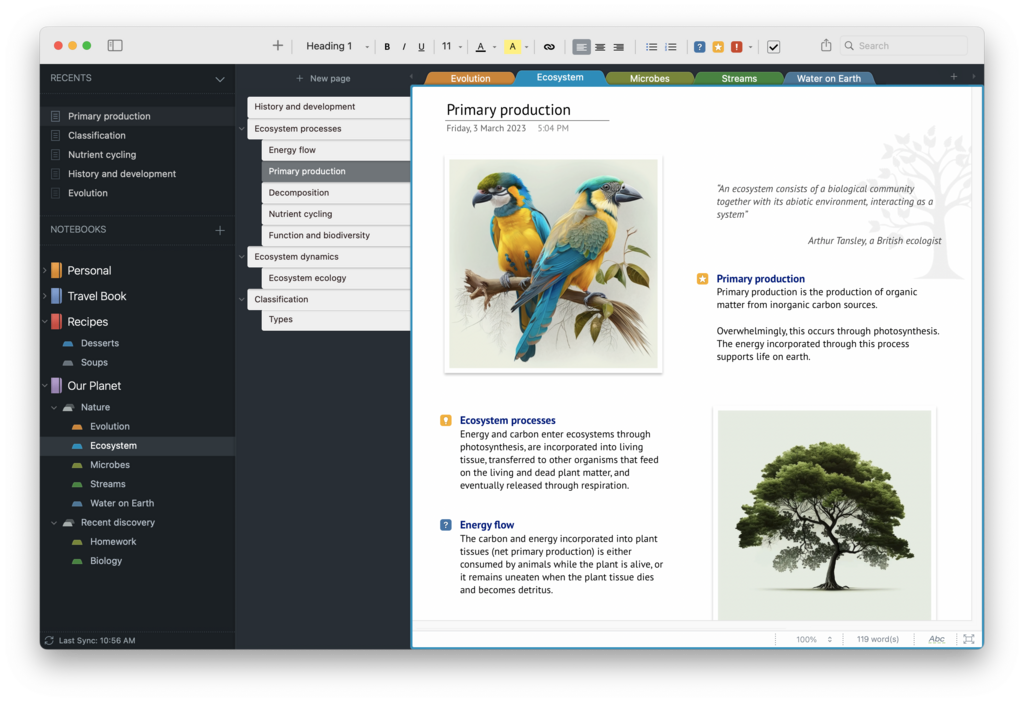
Note-Taking Apps are digital notebooks for capturing ideas, meeting minutes, research, and anything else you need to remember. They go beyond simple text, often allowing you to add images, checklists, and web links. They act as your external brain, storing information so you don't have to.
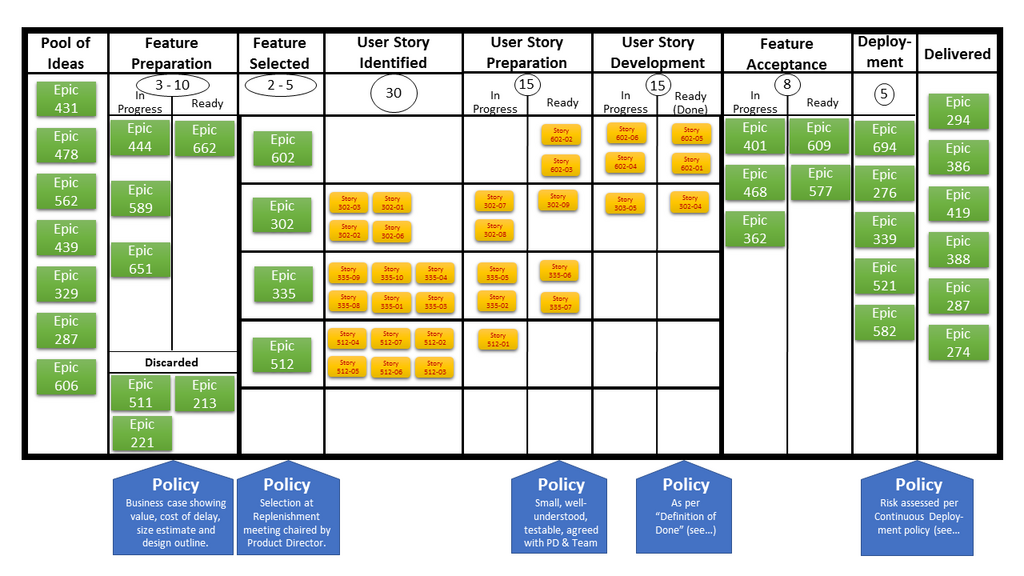
Project Management Software is built for handling complex projects with multiple stages and collaborators. These tools provide a big-picture view of a project's progress. Many use visual systems like Kanban boards to show tasks moving through different phases, from 'To-Do' to 'In Progress' and finally to 'Done'.
The Real-World Impact
Adopting these tools does more than just organize your files. It can fundamentally change how you approach your work. With a reliable system in place, you spend less time feeling overwhelmed by a mountain of tasks and more time making meaningful progress.
These applications can automate workflows, streamline operations, and enhance user experiences.
For teams, the impact is even greater. A shared project management tool ensures everyone is on the same page, reducing miscommunication and clarifying who is responsible for what. This transparency helps build momentum and keeps projects moving forward smoothly. Ultimately, these applications empower individuals and teams to achieve their goals with less stress and more clarity.
Now, let's test your understanding of these core concepts.
What is the primary goal of using a productivity application?
Which type of productivity software is best described as a tool for getting a 'big-picture view' of a project's progress, often using visual systems like Kanban boards?
Understanding these foundational ideas is the first step toward building applications that genuinely help people become more effective and organized in their daily lives.