Building Muscle on Petite Thighs
Muscle Hypertrophy Basics
How Muscles Grow
When you lift weights or do any form of resistance training, you're not just building strength; you're signaling your body to build bigger muscles. This process of muscle growth is known as hypertrophy.
hypertrophy
noun
The enlargement of an organ or tissue from the increase in size of its cells.
Muscle hypertrophy doesn't mean you're creating new muscle cells. Instead, the individual muscle cells (also called muscle fibers) that you already have get bigger. To understand how, we need to look inside a muscle.
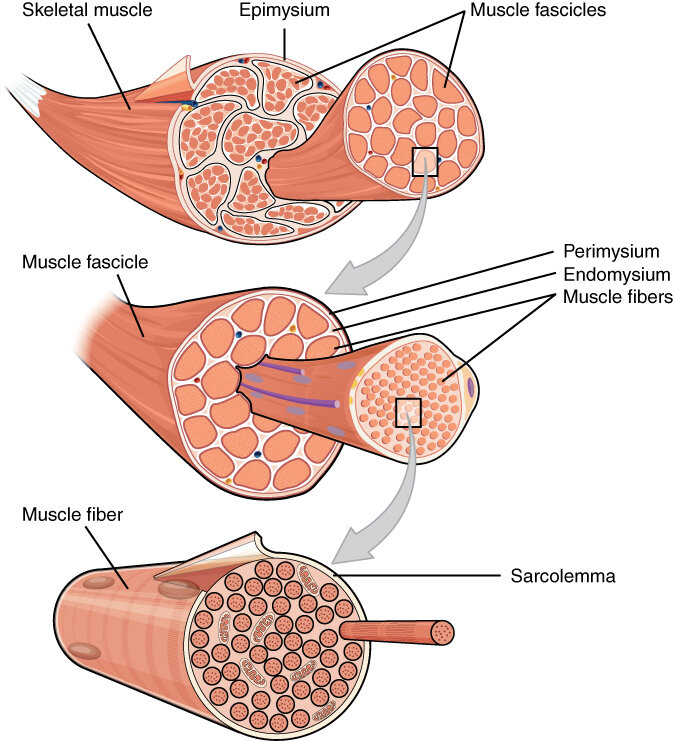
Your muscles are made of bundles of these long fibers. Inside each fiber are even smaller structures called myofibrils, which are the engines of muscle contraction. When you challenge your muscles with resistance, you create tiny tears, or micro-damage, in these fibers and myofibrils.
This damage isn't a bad thing. It's the trigger for growth. In response, your body initiates a repair process that not only fixes the damage but also adds new myofibrils to the muscle fiber. This makes the fiber thicker and stronger to better handle future stress.
The cycle is simple: apply stress, cause micro-damage, and let the body repair and overcompensate. The result is a larger, more capable muscle.
Satellite Cells to the Rescue
The repair process has some special helpers called satellite cells. Think of these as muscle stem cells that lie dormant on the outside of your muscle fibers. When a fiber is damaged from a tough workout, these satellite cells wake up.
Once activated, these satellite cells multiply. Some of them fuse to the existing muscle fibers, donating their nuclei. This is a crucial step. A muscle fiber's growth is limited by the number of nuclei it contains. Each nucleus can only manage a certain amount of the cell. By adding more nuclei, satellite cells increase the fiber's capacity for growth, allowing it to synthesize more proteins and become bigger.
The Importance of Protein Synthesis
Ultimately, muscle growth comes down to a simple balance. Your body is constantly breaking down old proteins and building new ones. The process of building new proteins is called muscle protein synthesis (MPS), while the breakdown process is called muscle protein breakdown (MPB).
Muscle hypertrophy happens when the body has a positive net protein balance due to a more significant amount of muscle protein synthesis than breakdown.
Resistance exercise is a powerful stimulus for muscle protein synthesis. The stress and damage from your workout signals your cells to ramp up the production of new contractile proteins, actin and myosin. These proteins are then assembled into new myofibrils, making the muscle fibers thicker.
For hypertrophy to happen, the rate of synthesis must be greater than the rate of breakdown over time. This is why factors like proper nutrition and rest are so important—they provide the building blocks and the opportunity for your body to carry out this construction project.
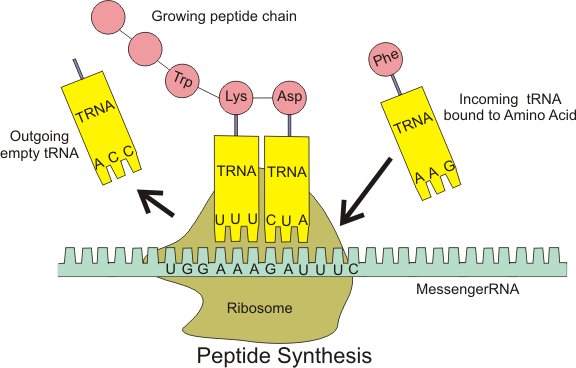
In essence, muscle hypertrophy is a three-part story: you create a stimulus with training, satellite cells help expand the muscle's potential for growth, and protein synthesis does the actual rebuilding, making the muscle bigger and stronger.