Building Multi-Agent Learning Platforms
Platform Architecture
Building the blueprint
A multi-agent system is more than just a collection of individual agents. It's an ecosystem where they interact, learn, and collaborate. The foundation that makes this possible is the platform architecture. Think of it as the blueprint for a city. It defines the roads, the utilities, and the zoning laws that allow the city's inhabitants to function effectively together. Without a solid blueprint, you get chaos and gridlock.
This architecture isn't just about connecting different parts. It’s about creating a stable, efficient, and adaptable environment for the agents. We'll look at three core pillars of this blueprint: how we model the world for our agents, how we plan for growth, and how we build the system in a smart, manageable way.
Modelling the world
The first step is to decide how our system will represent reality. A common and powerful approach is agent-based modelling (ABM). Instead of trying to write a single, massive equation to describe the entire system, ABM focuses on the individuals within it. We define the agents and the simple, local rules they follow. The complex, system-wide behaviour then emerges from their interactions.
Consider a flock of starlings. No single bird is in charge. Each bird follows a few basic rules: stay close to your neighbours, avoid colliding, and steer towards the average heading of the group. From these simple individual actions, the breathtaking, coordinated dance of the murmuration emerges.
In our platform, this means we focus on two things: designing the agents and modelling their environment. The environment is the world the agents perceive and act within. It defines the 'rules of the game'—the physics, the resources available, and the constraints on action. By creating a well-defined agent and a rich environment, we set the stage for complex learning and problem-solving to happen naturally.
Agent
noun
An autonomous, computational entity that perceives its environment through sensors and acts upon that environment through actuators to achieve its goals.
Designing for growth
A system that works perfectly with ten agents might grind to a halt with a thousand. This is the challenge of scalability. A scalable architecture is one that can handle increasing numbers of agents, more complex environments, or larger amounts of data without a significant drop in performance.
Building for scale from the outset is crucial. It’s like designing a city's road system. A few country lanes are fine for a small village, but to become a metropolis, you need to plan for motorways. Two key strategies for achieving scalability are:
Resource Management: The platform must intelligently allocate computational resources like processing power and memory. An efficient system ensures that resources are directed where they're needed most, preventing bottlenecks as the number of agents grows.
Parallel Processing: Instead of having one central processor handle every agent's decisions sequentially, tasks are distributed across multiple processors that work at the same time. This allows the system to think and act on many fronts simultaneously, dramatically increasing its capacity.
Modular design
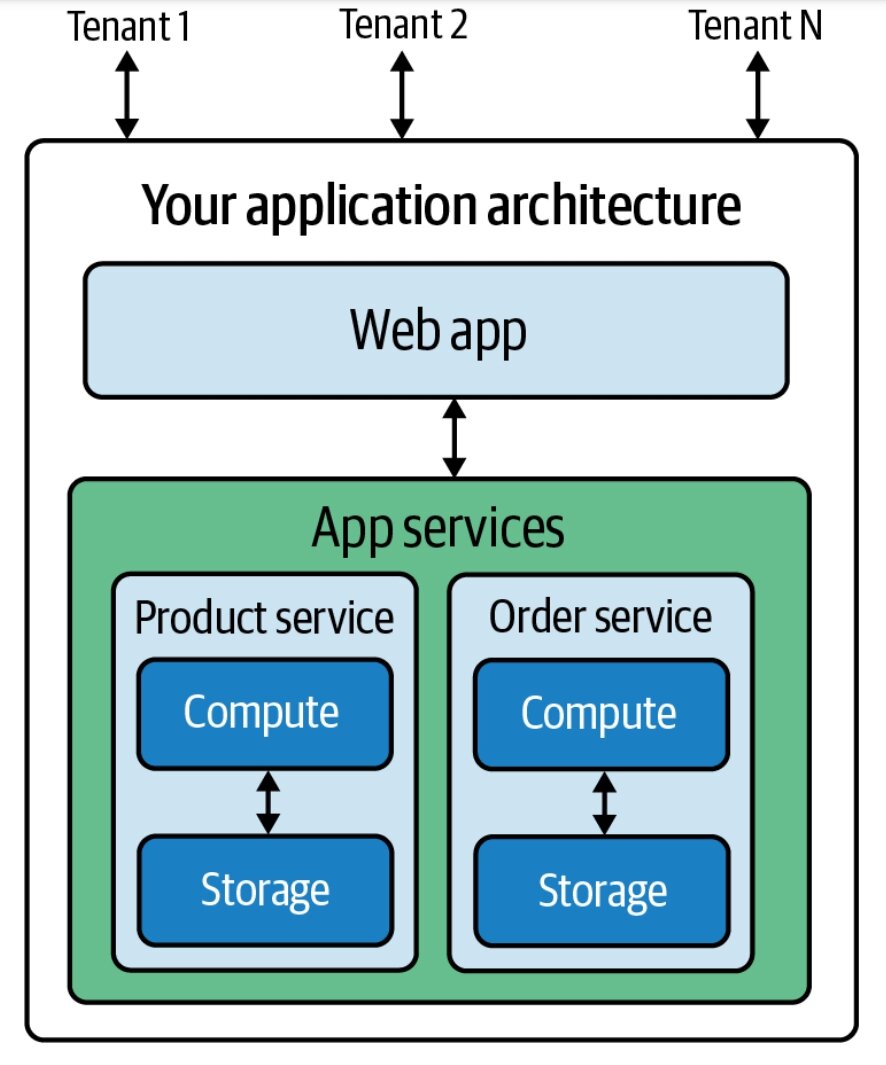
The final pillar is modular design. Instead of building the entire platform as one giant, interconnected piece of code, we build it from smaller, independent, and interchangeable components, or modules. Each module has a specific job. You might have one module for agent perception, another for decision-making (the 'brain'), and a third for executing actions.
Designing agent systems means thinking in layers: model and reasoning engines, state and memory, planning, tool interfaces, and observability.
This approach has several powerful advantages:
- Flexibility: You can upgrade or replace a single module without having to rebuild the entire system. Want to try a new decision-making algorithm? Just swap out the 'brain' module.
- Maintenance: When something goes wrong, it's much easier to identify and fix the problem within a specific, self-contained module.
- Reusability: A well-designed module, like one for navigating a grid-based environment, can be reused in completely different multi-agent systems, saving significant development time.
By embracing agent-based modelling, planning for scalability, and committing to a modular design, we create a robust architectural foundation. This blueprint doesn't just support the agents of today, it prepares the system to evolve and tackle the more complex challenges of tomorrow.
What is the primary role of the platform architecture in a multi-agent system?
In agent-based modelling (ABM), how does complex, system-wide behaviour typically arise?