Building Modern Video Applications
Architecting Video Platforms
The Journey of a Video
When you upload a video to a platform like YouTube or TikTok, you kick off a complex, automated journey. The file you provide isn't the same one that millions of users eventually watch. To handle video at scale, platforms build a sophisticated pipeline to ingest, process, and deliver content efficiently. A simple, all-in-one server would crash under the load. Instead, the architecture is broken down into distinct stages that work together without being tightly connected.
This approach is called decoupling. By separating the main jobs—upload (ingest), format conversion (processing), and playback (delivery)—each part can be managed and scaled independently. If the processing service is overwhelmed with new videos, the upload system can continue accepting new files without a problem. The secret to making this work is a message queue, which acts as a buffer between these stages, holding tasks until the next service is ready to handle them.
Ingest and Processing
The pipeline begins with ingest. When a user uploads a video, it doesn't go straight to a public server. Instead, it's received by a dedicated ingest service. This service's only job is to accept the incoming file and place it in a highly durable and scalable storage system. This is where comes in. Systems like Amazon S3 or Google Cloud Storage act as the definitive 'source of truth,' storing the original, high-quality video file safely.
Once the original video is secure, the ingest service publishes a message, like 'new video ready for processing,' to a message queue. This message contains information like the video's ID and its location in Blob Storage. A separate processing service, or a group of them, is constantly listening to this queue. When a new message appears, a processing worker picks it up and gets to work.
This stage, often called transcoding or encoding, is computationally intensive. The service creates multiple versions of the video to ensure a good viewing experience for everyone, regardless of their device or internet connection. This means generating copies at different resolutions (4K, 1080p, 720p, etc.) and bitrates. It also involves packaging the video into standardized streaming formats like HLS or DASH. All these new versions are then saved back into Blob Storage, linked to the original file.
Segmentation and HLS/DASH Protocols: Videos are segmented into short chunks (usually 2-6 seconds) compatible with HTTP Live Streaming (HLS) and Dynamic Adaptive Streaming over HTTP (DASH).
Using dedicated for ingest and processing offers huge advantages. If there's a sudden spike in uploads, the platform can automatically spin up more processing workers to handle the queue. If one worker fails while transcoding a video, it doesn't affect any other part of the system. The task can simply be picked up by another worker. This elastic, resilient design is impossible with a single, monolithic backend.
Fast Delivery Anywhere
With the video processed and ready, the final step is delivery. It would be slow and expensive to have every viewer in the world stream video from a single data center. If your servers are in Virginia, a user in Japan would experience significant lag, or buffering. The solution is a (CDN).
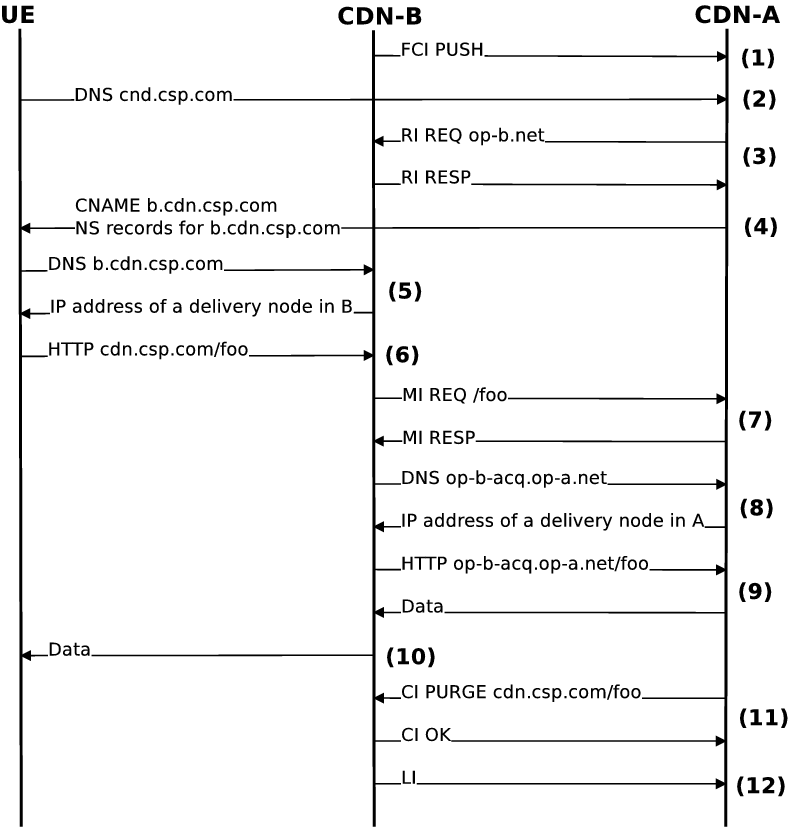
A CDN works by caching copies of your content on servers all over the world. When a user in Japan presses play, their request is routed to a server in Tokyo, not Virginia. The video player on their device is smart enough to request the right video segments (e.g., the 720p HLS chunks) based on screen size and network speed.
This final step completes the journey. By decoupling ingest, processing, and delivery, and by leveraging specialized services like Blob Storage and CDNs, a video platform can provide a reliable and scalable experience for a global audience.
What is the primary benefit of "decoupling" the ingest, processing, and delivery stages in a video platform's architecture?
In a decoupled video pipeline, what is the main function of a message queue?