Building LLMs and MLOps
Introduction to Large Language Models
What Are Large Language Models?
A Large Language Model, or LLM, is an AI designed to understand and generate human language. Think of it as a very advanced autocomplete. It predicts the next word in a sentence based on the words that came before it. By doing this over and over, it can write paragraphs, answer questions, and even create computer code.
Large language models (LLMs) are AI systems that understand and create human language, doing tasks like summarizing articles, answering questions, writing code, and more.
The “large” part of the name refers to two things: the immense amount of text data they are trained on (often, a significant portion of the internet) and the huge number of parameters they contain. Parameters are like the internal knobs and dials the model uses to make its predictions. The more parameters a model has, the more nuanced and complex its understanding of language can be.
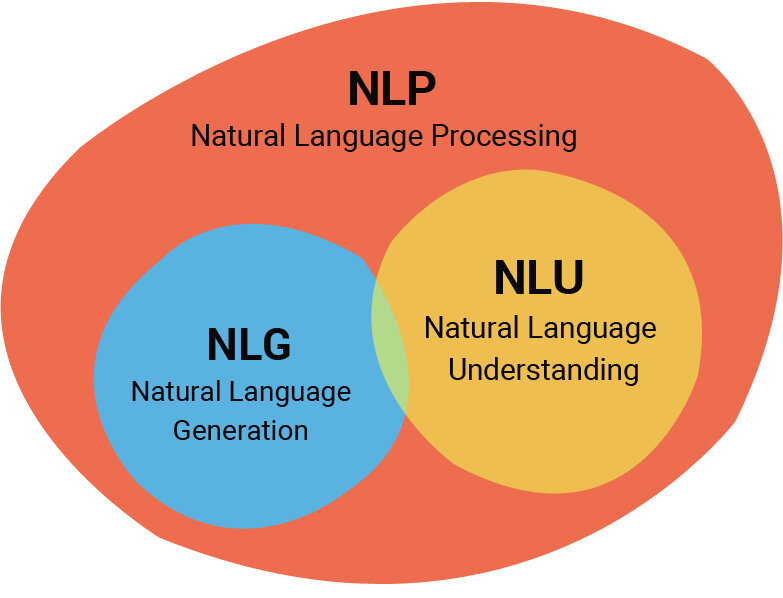
At their core, LLMs are a major step forward in Natural Language Processing (NLP), a field of computer science and AI focused on enabling computers to understand, interpret, and manipulate human language.
This relationship shows how LLMs build on decades of research. They are not a sudden invention but the result of gradual progress in making machines smarter about language.
A Brief History
The journey to today's LLMs began long before the recent buzz. Early attempts at language modeling in the mid-20th century were based on statistical methods and rule-based systems. These models could handle simple tasks but lacked the flexibility to understand the true complexity of language.
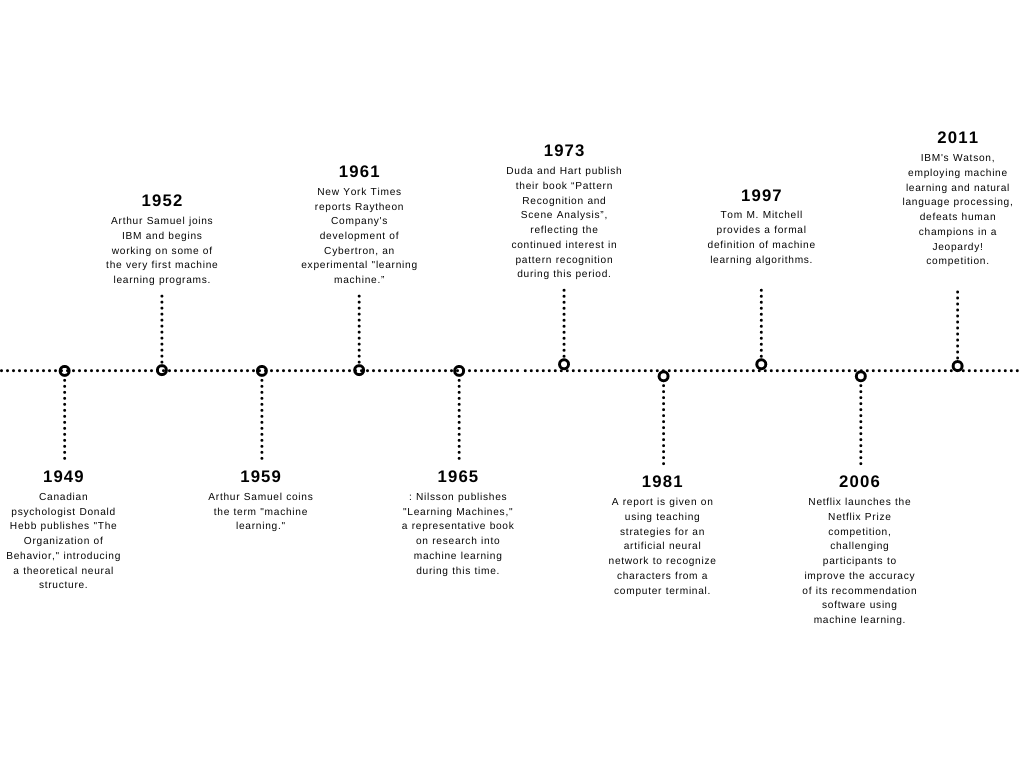
The game changed with the rise of neural networks and deep learning in the 2010s. A major breakthrough came in 2017 with the invention of the Transformer architecture, a new type of neural network particularly good at handling sequential data like text. This innovation made it possible to train much larger and more powerful models, leading directly to the LLMs we have today.
Key Milestones:
- 1950s: Early statistical language models emerge.
- 1980s-90s: Recurrent Neural Networks (RNNs) are developed for sequence data.
- 2017: The Transformer architecture is introduced, revolutionizing NLP.
- 2018-Present: Rapid scaling of Transformer-based models like GPT leads to the current generation of powerful LLMs.
Where Are LLMs Used?
LLMs are not just research projects; they are being used across many industries to solve real-world problems. Their ability to process and generate text makes them incredibly versatile.
| Industry | Application |
|---|---|
| Customer Service | Powering chatbots that can answer questions and resolve issues 24/7. |
| Healthcare | Summarizing patient notes and analyzing medical research papers. |
| Software Development | Assisting programmers by writing code, finding bugs, and explaining complex logic. |
| Content Creation | Drafting emails, writing articles, and generating marketing copy. |
| Education | Creating personalized learning materials and acting as a virtual tutor. |
These models excel at tasks that require a deep understanding of context. For example, an LLM can translate not just words, but the underlying meaning and tone of a sentence from one language to another, a task that was much more difficult for older translation software.
As they continue to improve, LLMs are opening up new possibilities. They are making information more accessible and automating tasks that were once thought to require human creativity and reasoning.
What is the fundamental task a Large Language Model (LLM) performs to generate text?
The "large" in Large Language Model refers to which two aspects?