Building Large Language Models
Introduction to Large Language Models
What Is a Large Language Model?
A large language model, or LLM, is an artificial intelligence designed to understand and generate human language. Think of it as a highly advanced form of autocomplete. By training on enormous amounts of text data from the internet, books, and other sources, it learns the patterns, grammar, context, and nuances of how people write and speak.
The “large” in LLM refers to two things: the massive size of the dataset it's trained on and the huge number of parameters within the model itself. These parameters are like the knobs and dials the model adjusts during training to make better predictions.
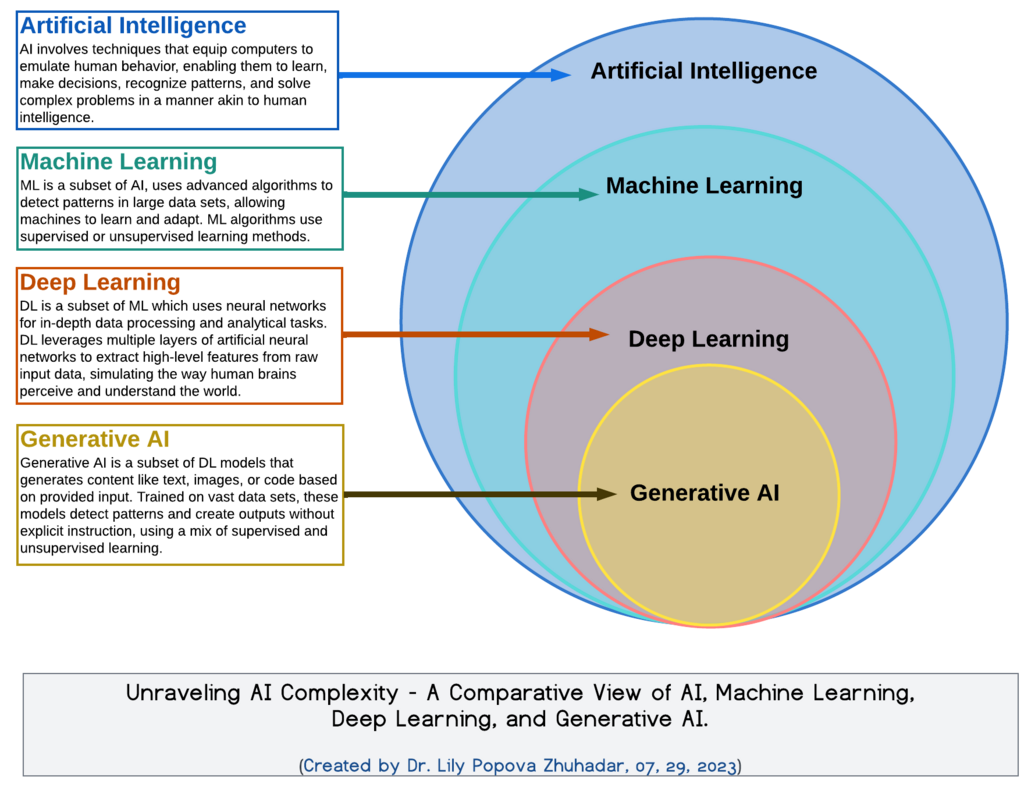
At the core of large language models (LLMs) are deep neural networks trained on massive text datasets.
The primary goal of an LLM is to process a piece of text—a question, a command, or just a few words—and predict what should come next. This core ability allows it to perform a wide range of tasks, from writing an email to explaining a complex topic.
A Quick Trip Through Time
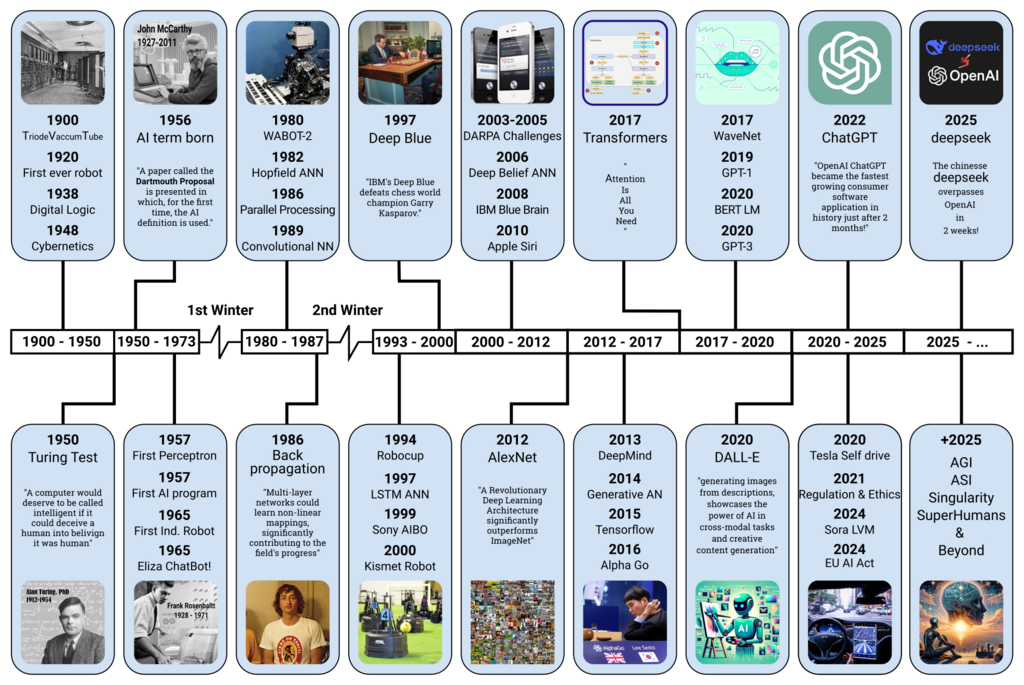
The idea of teaching machines language isn't new. Early attempts in the mid-20th century relied on hand-coded rules, which were brittle and couldn't handle the sheer complexity of language. Later, statistical methods became popular, using probability to guess the next word. While an improvement, these models lacked a deeper understanding of context.
The real breakthrough came with the rise of neural networks and, specifically, an architecture called the Transformer, introduced in 2017. This new model design was far more effective at handling long sequences of text and understanding how words relate to each other, even when they aren't close together in a sentence. This innovation, combined with access to more data and powerful computers, paved the way for the LLMs we use today.
What Are LLMs Used For?
LLMs have moved from research labs into everyday products. Their versatility makes them useful in many different fields.
| Application | Description |
|---|---|
| Content Creation | Drafting emails, writing articles, creating marketing copy, and even generating poetry. |
| Information Synthesis | Summarizing long documents, research papers, or news articles to extract key points. |
| Conversational AI | Powering sophisticated chatbots and virtual assistants that can handle customer service inquiries or act as personal tutors. |
| Code Generation | Writing code snippets in various programming languages based on a plain-language description. |
| Translation | Translating text between languages with greater nuance and accuracy than previous tools. |
The Challenges
Despite their impressive abilities, LLMs are not without their problems. One major issue is that they can generate incorrect or nonsensical information, often called “hallucinations.” Because they are trained to produce plausible-sounding text, their outputs can be confidently wrong.
An LLM doesn't “know” things in the human sense. It's a pattern-matching machine, and sometimes the patterns it finds lead to factually incorrect statements.
Another significant challenge is bias. The models learn from human-written text, which contains all sorts of societal biases. If not carefully addressed, an LLM can reproduce and even amplify these harmful stereotypes. Finally, training these massive models requires enormous amounts of energy and computational power, raising environmental and economic concerns about their development and deployment.
Ready to check your understanding?
What is the primary function of a Large Language Model (LLM)?
What architectural innovation, introduced in 2017, was a major breakthrough for the development of modern LLMs?
Before we finish, let's review the key terms from this section.
Understanding these foundational ideas is the first step. Next, we'll dive deeper into how these models are actually built.