Building Intelligent AI Agents
Introduction to AI Agents
What Is an AI Agent?
Think about your smart thermostat. It senses the room's temperature, decides if it's too hot or cold based on your settings, and then acts by turning the heat or AC on or off. That thermostat is a simple example of an AI agent. It's a system designed to operate on its own to achieve a specific goal.
An AI agent is a program or system that can perceive its environment, process information, and take actions to achieve a specific goal.
The key idea is autonomy. Unlike a simple calculator that just waits for your command, an AI agent has a degree of independence. It's not just following a rigid script; it's actively working within its environment. To do this, it needs three core abilities:
- Perception: It must be able to sense its surroundings. This could be through cameras, microphones, sensors, or by reading data from a website.
- Reasoning: It needs a 'brain' to process what it perceives, make a decision, and choose a course of action.
- Action: It must be able to do something that affects its environment. This could be moving a robot arm, sending an email, or adjusting a setting.
The Agent's Playbook
Every AI agent, from a simple spam filter to a complex self-driving car, operates on a fundamental loop: perceive, reason, act. This cycle allows it to interact with its environment dynamically.
Let's break down this cycle using a ride-sharing app as an example:
-
Perceive: The system constantly collects data. It 'sees' the location of all available drivers, current traffic conditions, and new ride requests from passengers.
-
Reason: The agent's 'brain' processes this information. It calculates which driver is closest, considers traffic to estimate an arrival time, and evaluates the best match to minimize wait time for the passenger and travel time for the driver.
-
Act: The agent takes action. It sends the ride request to the chosen driver's phone and sends a confirmation with an ETA to the passenger.
This loop repeats continuously, allowing the system to adapt in real-time to an ever-changing environment.
A Spectrum of Agents
Not all agents are created equal. They range from simple reactors to complex planners. Understanding their differences helps clarify what AI can do.
| Agent Type | How It Works | Simple Example |
|---|---|---|
| Simple Reflex | Acts only on current perception. Follows a basic "if-then" rule. | A thermostat turning on the heat when the temperature drops. |
| Model-Based | Maintains an internal 'model' or memory of the world to make better decisions. | A self-parking car that remembers the position of other cars. |
| Goal-Based | Has a specific goal and plans a sequence of actions to achieve it. | A GPS navigation system finding the fastest route to a destination. |
| Utility-Based | Chooses the action that maximizes a 'utility' function, finding the best outcome when goals conflict. | An airline pricing system that balances selling seats with maximizing revenue. |
| Hybrid | Combines reactive, rule-based behavior with long-term planning. | A self-driving car that plans a route (goal) but can instantly swerve to avoid a pedestrian (reflex). |
Simple reflex agents are fast but limited. As you move down the table, the agents become more intelligent, flexible, and capable of handling complex, unpredictable situations. Most sophisticated AI agents today are hybrids, combining the best of both worlds: quick reactions and thoughtful planning.
Agents in the Wild
AI agents are no longer just concepts in a lab; they're integrated into our daily lives and powering industries.
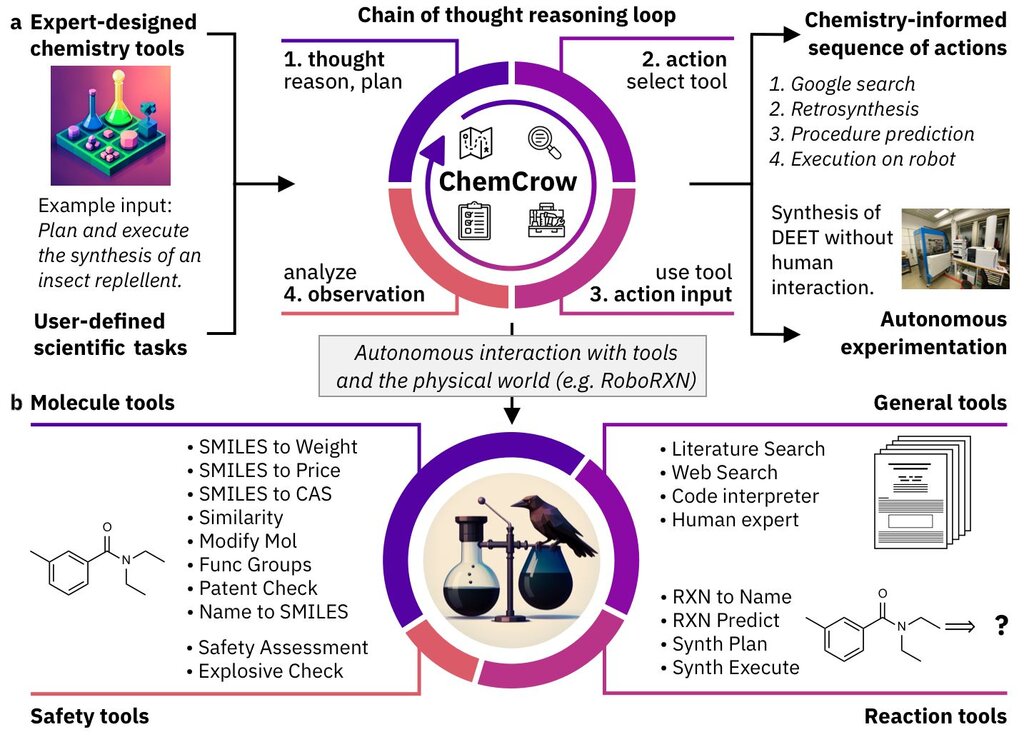
In e-commerce, recommendation agents perceive your browsing history and past purchases to suggest products you might like. In finance, automated trading agents monitor market data and execute trades in milliseconds to capitalize on small price changes.
Customer service chatbots are goal-based agents. Their goal is to resolve your issue. They perceive your questions, reason about your intent using natural language processing, and act by providing information or escalating the chat to a human.
Even in video games, the non-player characters (NPCs) are agents. A simple enemy might be a reflex agent that attacks when you get close. A more complex one might be a goal-based agent with a mission to complete, planning its path through the game world.
Now that you understand the what, how, and why of AI agents, let's test your knowledge.
What is the fundamental cycle that all AI agents operate on?
A spam filter automatically moves a suspicious email to your junk folder. Which of the following best represents the 'Action' part of its cycle?
AI agents are a fundamental building block of modern artificial intelligence, turning passive models into active participants in the digital and physical worlds.