Building HVAC Systems Explained
Introduction to HVAC Systems
What is HVAC?
HVAC stands for Heating, Ventilation, and Air Conditioning. Think of it as the respiratory system for a building. It breathes air in, circulates it, cleans it, and exhales it. The main goal is simple: to keep the people inside comfortable and healthy.
Whether it's a house, a skyscraper, or a factory, the HVAC system quietly manages the indoor environment. It controls the temperature, manages humidity, and ensures the air you breathe is fresh and clean. Without it, buildings would be stuffy, uncomfortable, and in many climates, completely unlivable.
The Three Pillars
The acronym itself breaks down the system's three main jobs. Each part is crucial for creating a balanced indoor climate.
Heating is the 'H' in HVAC. Its job is to add warmth to a space, fighting off the cold. This is usually done by a furnace that burns fuel or a heat pump that moves heat from the outside air into your home.
Ventilation is the 'V'. This is the process of replacing stale indoor air with fresh outdoor air. It's essential for removing pollutants, odors, and excess moisture. Proper ventilation can be as simple as an exhaust fan in your bathroom or as complex as a whole-building system that recovers energy from the outgoing air.
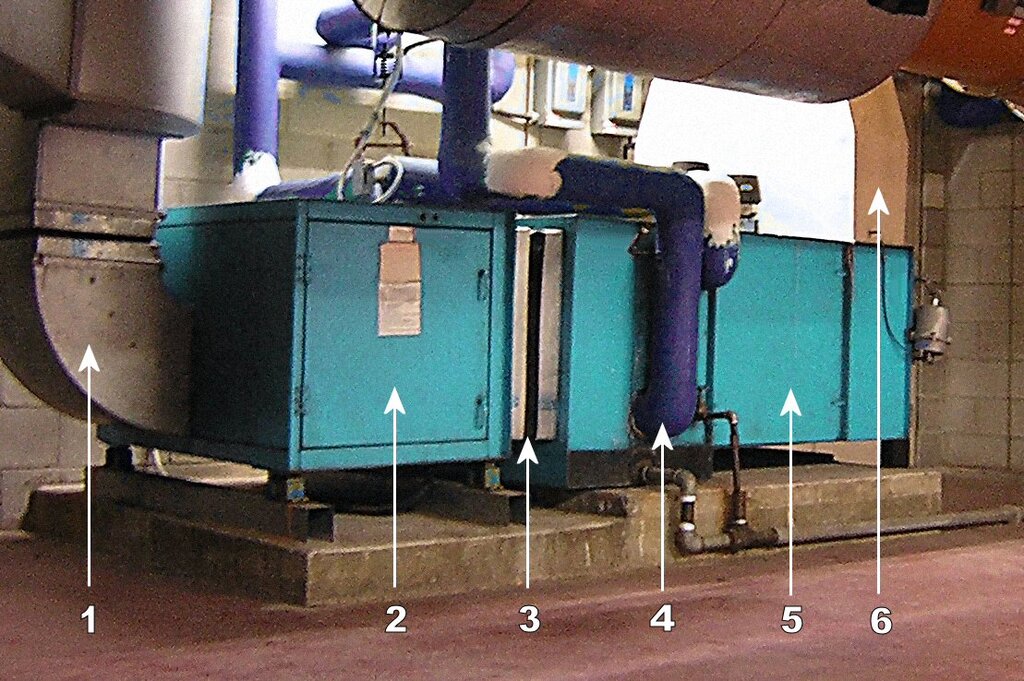
Air Conditioning, the 'AC', does more than just cool the air. Its primary function is to remove heat from a space. A critical part of this process is also dehumidification, which means removing moisture from the air. This is why an air-conditioned room feels so much more comfortable on a muggy day; it's not just cooler, it's also drier.
Systems for Every Space
HVAC systems are not one-size-fits-all. Their design and complexity change dramatically depending on the building they serve.
Residential Systems: These are the systems you find in homes and small apartments. They're typically smaller and simpler. Common examples include split systems (with an outdoor unit and an indoor unit) or packaged units where all components are in a single box outside.
Commercial Systems: Office buildings, stores, and restaurants need larger, more powerful systems. These are often modular and can be scaled up or down. You'll frequently see large units on the roof of commercial buildings. They need to handle bigger spaces and more people, with complex zoning to provide different temperatures in different areas.
Industrial Systems: Factories, hospitals, and large manufacturing plants have the most complex needs. These systems are massive and highly specialized. They might need to maintain precise temperature and humidity for sensitive equipment, or provide powerful ventilation to remove hazardous fumes. These are custom-engineered solutions for very specific jobs.
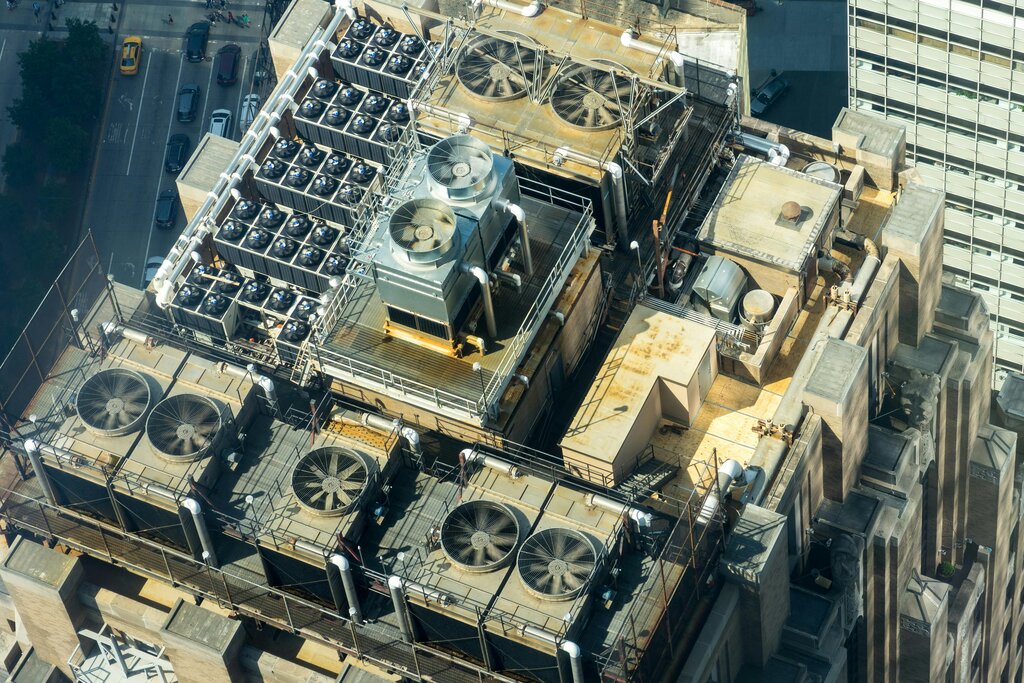
Regardless of the scale, the fundamental purpose remains the same. A well-designed HVAC system is a critical part of any modern building, ensuring the space is not just usable, but also safe and pleasant for everyone inside.
Time to check your understanding of these core concepts.
What does the 'V' in HVAC stand for?
True or False: The sole purpose of an HVAC system is to control a building's temperature.
Understanding these functions is the first step to seeing how buildings are designed for human comfort.