Building Exceptional Products
Product Development Fundamentals
From Idea to Reality
Product development is the entire process of bringing a product to market. It starts with a simple idea and ends when a customer is using the final product. This journey involves everything from brainstorming and design to engineering, testing, and launch.
Product Development
noun
The complete process of creating a new product or improving an existing one, from the initial concept through to its launch and market performance.
Thinking about this process is crucial because it provides a roadmap. Without a clear plan, it's easy to waste time and money building something nobody wants. A structured approach helps teams stay focused on solving a real problem for their customers.
The Product Lifecycle
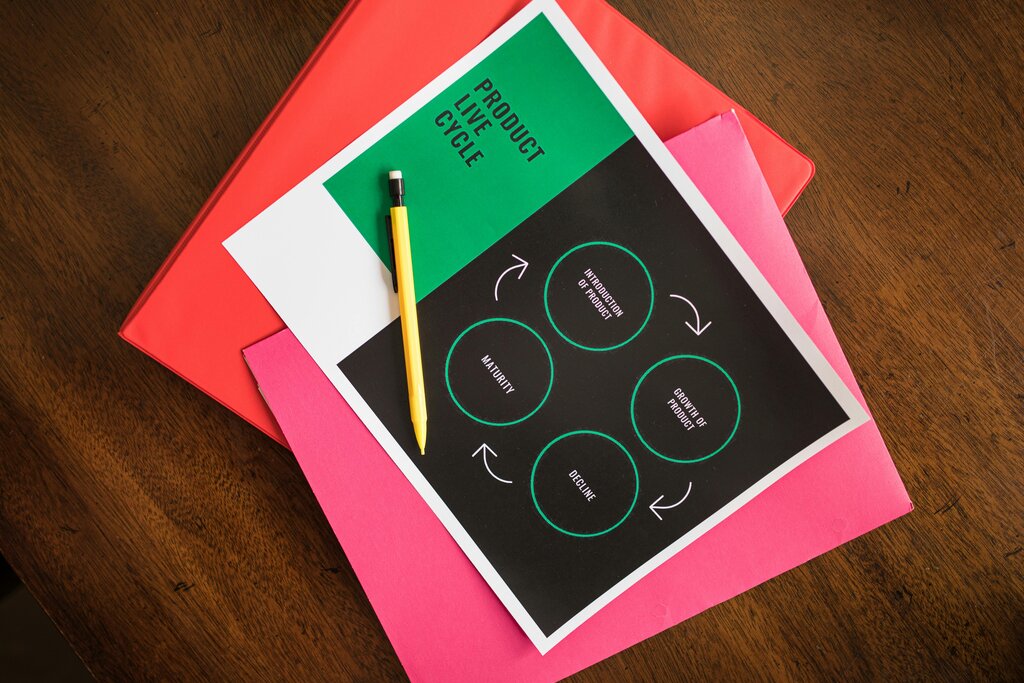
Every product goes through a lifecycle, much like a living thing. Understanding these stages helps businesses make smarter decisions about marketing, pricing, and when it's time to create something new. The typical lifecycle has four key phases:
- Introduction: The product is launched. Sales are usually slow as people are just learning about it. The focus is on building awareness.
- Growth: The product starts to catch on. Sales increase rapidly as more customers buy it and word-of-mouth spreads.
- Maturity: Sales growth slows down. The product is well-established, but competition is often high. The goal is to maintain market share.
- Decline: Sales begin to fall as the market changes, new technology emerges, or people lose interest. The company must decide whether to update the product, discontinue it, or replace it with something new.
Building in Cycles
In the past, many teams tried to build products in one long, straight line. They'd spend months or years planning everything, then build the entire product, and only show it to customers at the very end. This is risky. What if you misunderstood the customer's needs at the beginning? All that work could be for nothing.
Today, most successful teams use a different approach based on two related ideas: incremental and iterative development.
Incremental development means building the product piece by piece. Instead of delivering everything at once, you deliver smaller, functional parts over time.
Iterative development means building the product in repeating cycles. In each cycle, you design, build, and test a small part of the product, learning from feedback before starting the next cycle.
Think of it like painting a portrait. Instead of trying to paint the final, perfect version in one go, you might start with a rough sketch (first iteration). Then, you'd add basic colors, get some feedback, and adjust. You'd continue this process of adding detail and refining your work in cycles until the portrait is complete. Each cycle builds on the last, improving the final result.
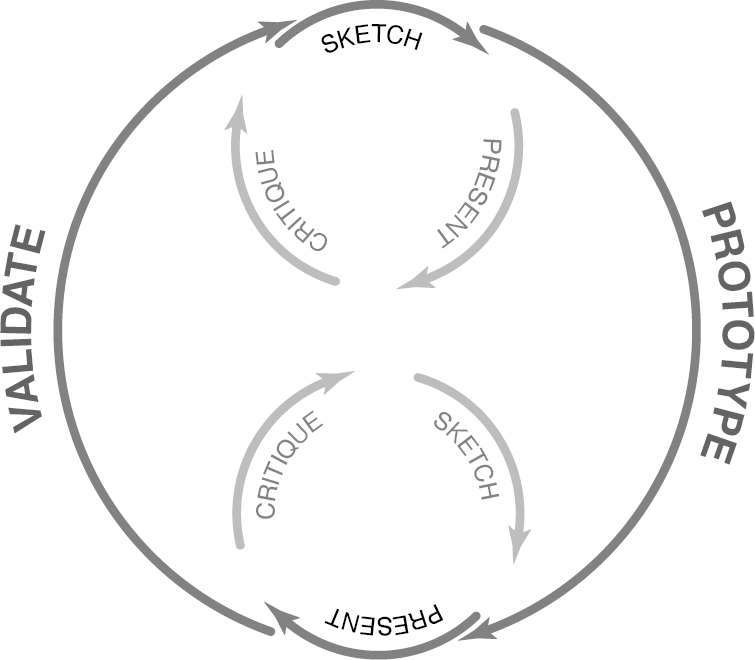
This iterative approach has huge benefits. It allows teams to be flexible and adapt to change. Getting feedback early and often reduces the risk of building the wrong product. It also means you can get a basic version of the product into the hands of real users much faster, which provides valuable insights for future development.
One of the most effective ways to ensure that your product meets both market and customer needs is through iterative design and prototyping.
Let's review the main ideas we've covered.
Now, check your understanding with a few questions.
What is the primary purpose of the product development process?
A company launched a new smartphone a year ago. After an initial slow start, sales are now increasing rapidly each month as more people recommend it to their friends. Which stage of the product lifecycle is the smartphone most likely in?
By understanding the product lifecycle and embracing an iterative approach, teams can create better products that truly meet customer needs.