Building Distributed Systems From Zero
Introduction to Distributed Systems
What Is a Distributed System?
A distributed system is a group of separate computers that work together so closely they appear as a single system to the end user. These computers, called nodes, are connected over a network and communicate with each other to coordinate their actions. Think of it like a team of chefs in a large kitchen. Each chef works at their own station, but they communicate and coordinate to prepare a complex meal that is ultimately served as one cohesive dish.
From the outside, you don't see the individual chefs or their frantic coordination. You just see the final, delicious meal. Similarly, when you use a service like Google Search or Netflix, you're interacting with a massive distributed system, but it feels like you're dealing with just one, powerful computer.
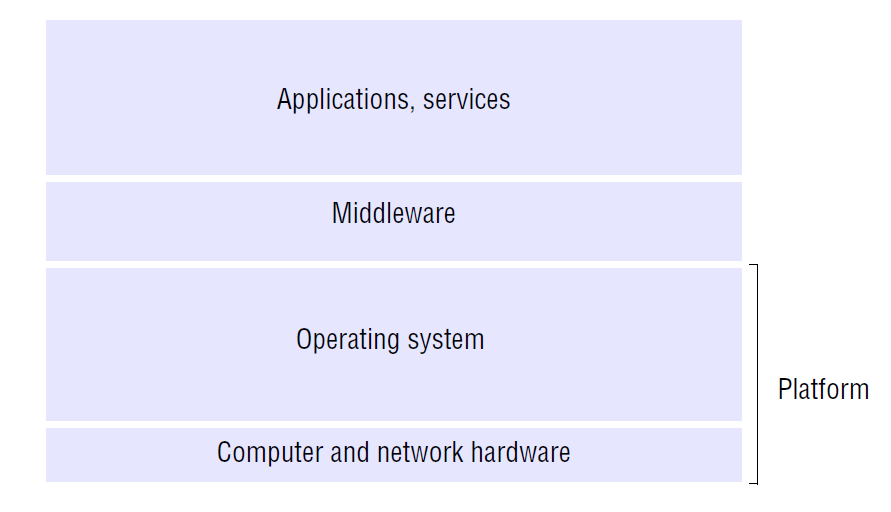
The key characteristics are that the components are autonomous, connected by a network, and they work together to achieve a common goal. No single computer is in charge of everything; the work and the responsibility are shared across the network.
The Upside of Working Together
Why go through the trouble of connecting many computers instead of just using one powerful one? Distributed systems offer some powerful advantages.
Scalability
noun
The ability of a system to handle a growing amount of work by adding resources.
Scalability is a huge benefit. If an application suddenly becomes popular, a distributed system can grow to meet the demand. This is often done through horizontal scaling, which means adding more machines to the system. It's like opening more checkout lanes at a grocery store when the lines get long. The alternative, vertical scaling, means making a single machine more powerful (e.g., adding more memory or a faster CPU), which is often more expensive and has hard limits.
Another key benefit is fault tolerance. In a system with many components, failures are inevitable. A well-designed distributed system can withstand the failure of one or more of its nodes without bringing the entire system down. This resilience is achieved through redundancy, where data and tasks are duplicated across multiple machines. If one machine fails, another can take over its work seamlessly.
Finally, distributed systems excel at resource sharing. This can mean sharing hardware like specialized printers or large storage systems, or sharing data and software. Services like Dropbox or Google Drive are prime examples, allowing users across the globe to access and collaborate on the same set of files.
The Challenges of Coordination
While the benefits are significant, building and managing distributed systems is complex. Coordinating many independent computers introduces unique challenges that don't exist in a single-computer system.
One of the biggest hurdles is that there is no single source of truth. Each node only has a partial view of the system's state, and messages between nodes can be delayed or even lost.
Concurrency is a major issue. Since multiple processes can run simultaneously on different nodes, they might try to access or modify the same shared resource at the same time. Imagine two people trying to book the last seat on an airplane from different websites. The system must have mechanisms to prevent both bookings from succeeding, which requires careful coordination.
This leads directly to the problem of consistency. Consistency ensures that all nodes in the system have the same view of the data at the same time. If you update your profile picture on a social media app, you expect all your friends to see the new picture, not the old one. Propagating that change to every server around the world instantly is incredibly difficult. Different systems make different tradeoffs between how quickly data is updated and how consistent it is across all nodes.
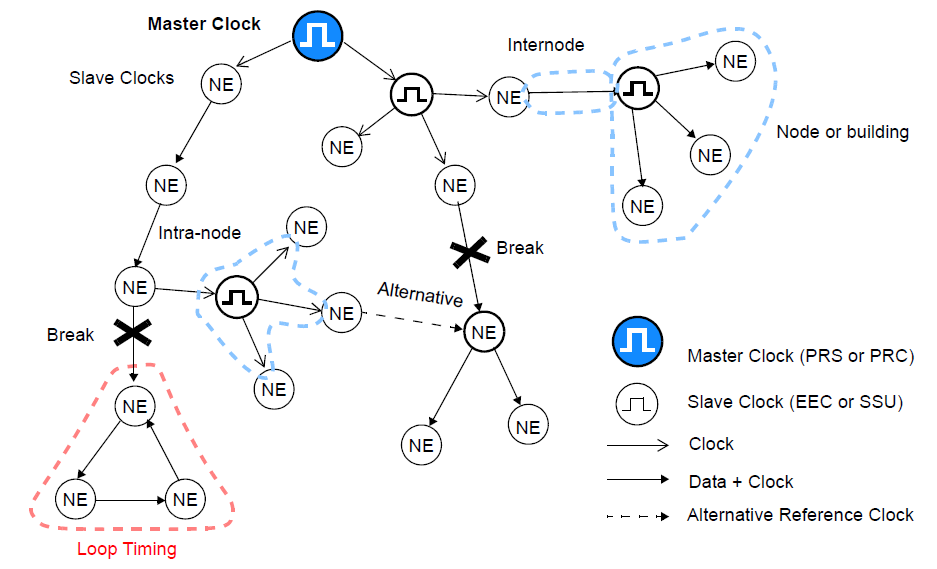
Finally, coordination ties everything together. How do nodes agree on the state of things? How do they elect a leader if one is needed? How do they detect when another node has failed? Solving these problems requires complex algorithms and protocols to ensure all the separate parts can work together reliably as a single, coherent whole.
Understanding these core concepts, both the powerful benefits and the difficult challenges, is the first step in learning how to design and reason about these complex but essential systems.
From an end-user's perspective, what is the defining characteristic of a well-designed distributed system?
A popular streaming service adds hundreds of new servers to its network to handle the high demand for a new show's premiere. This is an example of: