Building Deep Team Trust and Connection
Understanding Team Trust
The Foundation of Teamwork
Trust is the belief you have in the reliability, truth, and ability of someone or something. In a team setting, it's the confident expectation that your teammates will come through for you, act with good intentions, and deliver on their commitments. Without it, collaboration falters, communication breaks down, and progress grinds to a halt.
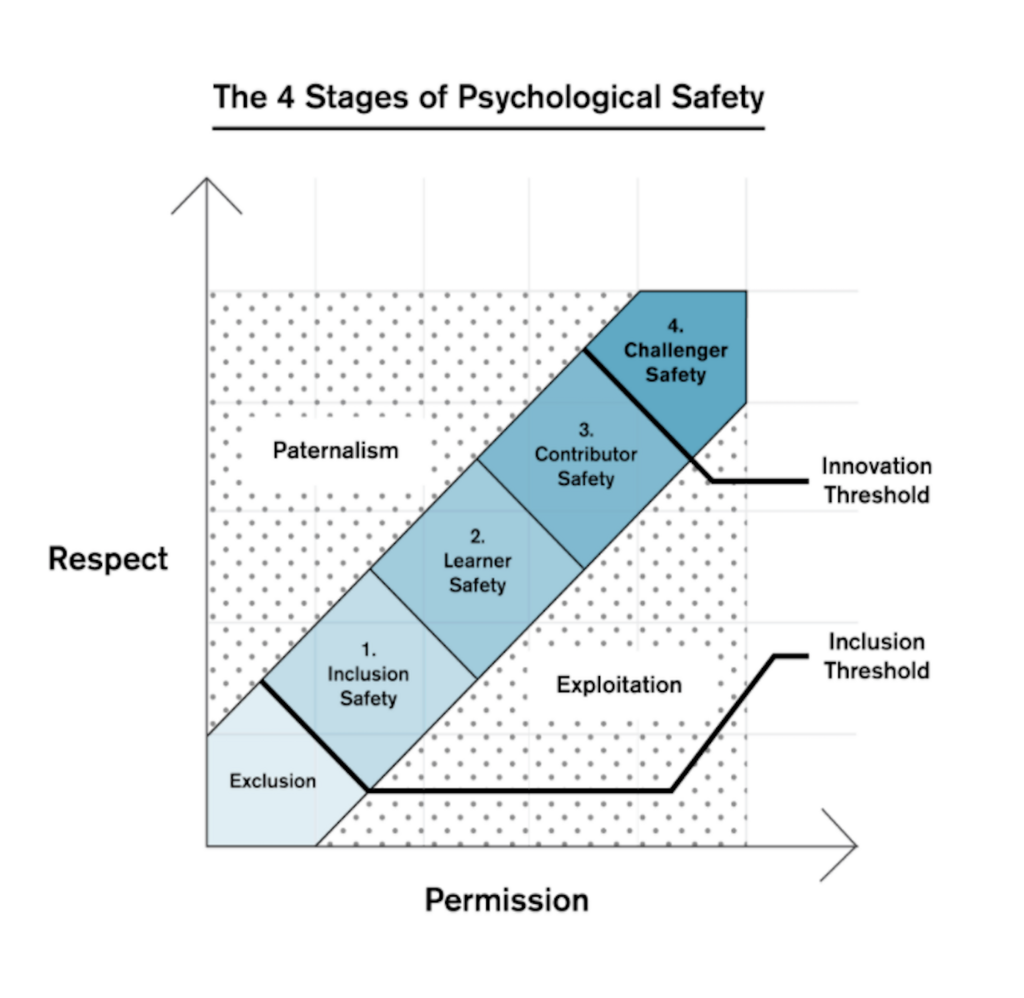
Think of trust as the invisible glue holding a team together. It's not just a nice-to-have; it's the essential ingredient for psychological safety. This is the shared belief that the team is safe for interpersonal risk-taking. When trust is high, people feel comfortable speaking up, sharing ideas, and admitting mistakes without fear of blame or embarrassment. This environment is where innovation and high performance thrive.
Trust is the foundation of a safe environment, where individuals and teams can perform at their best.
Essentially, trust reduces complexity and fear. Instead of wasting energy worrying about colleagues' motives or competence, a trusting team can focus entirely on its goals. Every interaction becomes more efficient because you assume positive intent and give each other the benefit of the doubt.
The Psychology of Trust
Trust isn't a single feeling; it's built on a few psychological pillars. We subconsciously evaluate people on these dimensions to determine if they are trustworthy.
Competence: This is about capability. Do your teammates have the skills and knowledge to do their jobs well? Trust in competence means you can rely on the quality of their work and their expertise without constantly second-guessing it.
Integrity: This pillar is about character and honesty. Do your teammates act ethically? Do their actions align with their words? Integrity means you believe they are principled and will do the right thing, even when no one is watching.
Benevolence: This is about intent. Do you believe your teammates care about your well-being and have your best interests at heart? Benevolence is the feeling that they are on your side and won't act in a way that intentionally harms you or the team. When these three elements are present, a strong sense of psychological safety can emerge.
Individual vs. Team Trust
It’s important to distinguish between trusting an individual and trusting a team. Interpersonal trust is the confidence you place in a specific colleague. You might trust Sarah to analyze data perfectly but not to lead a client presentation.
Team trust, however, is a broader, collective belief. It’s the shared confidence that the team as a unit is capable, reliable, and will work together effectively to achieve its goals. It's the belief that even if one person stumbles, the team's processes and other members will ensure success. Team trust transcends individual relationships and becomes a property of the group itself.
A team can have strong interpersonal trust between some members but still suffer from low overall team trust if the group doesn't have faith in its collective ability to succeed.
How Trust Develops
Trust isn't built overnight. It develops in stages as team members interact and learn about one another. While every team is different, this progression often follows a general pattern.
Initially, trust is calculus-based. It’s transactional. You trust someone because you've calculated that the reward for trusting them outweighs the risk of them letting you down. It's based on the idea that people will do what they say because they fear the consequences of not doing it. This is the most fragile form of trust.
As the team works together, trust can evolve to be knowledge-based. This form of trust comes from experience. You've seen your teammates perform over time, so you can predict their behavior. You know their strengths and weaknesses and have a reliable track record to base your confidence on. This type of trust is more resilient.
Finally, the strongest form is identity-based trust. This happens when team members have internalized the team's goals and values. You trust them because you understand and identify with their intentions. A deep connection has formed, where you believe they will act in the team's best interest because it aligns with their own identity. At this stage, trust is robust and allows for the highest levels of collaboration.
Challenges to Building Trust
Building trust is a delicate process, and several common obstacles can derail it.
Lack of Communication: When information isn't shared openly, people fill the vacuum with assumptions, which are often negative. A culture of silence or opacity breeds suspicion.
Inconsistent Behavior: If a leader or teammate says one thing but does another, their integrity is questioned. Consistency between words and actions is fundamental to building a reliable reputation.
Unclear Roles and Responsibilities: Ambiguity about who is supposed to do what leads to frustration, dropped balls, and blame. People can't trust the team to deliver if they don't know who is accountable.
Avoiding Conflict: Teams that shy away from healthy debate and disagreement can't build the robust trust needed to solve hard problems. Trust grows when people see that they can disagree respectfully and still move forward together.
Overcoming these challenges requires conscious effort, but understanding them is the first step toward creating a foundation of trust that enables a team to do its best work.
Ready to check your understanding?
What is psychological safety in a team context?
A team member consistently meets deadlines, but you've noticed they often take credit for others' ideas. Which pillar of trust have they most significantly damaged?
Understanding the dynamics of trust is crucial for any team member. It's the starting point for developing stronger, more resilient, and higher-performing teams.