Building Confident and Resilient Kids
Understanding Child Development
The Blueprint of Growth
Child development is the journey from dependency to autonomy. It doesn't happen all at once. Instead, it unfolds in predictable stages across several key areas. Think of it like building a house: you need a solid foundation before you can put up the walls and the roof. For a child, this foundation is built across three interconnected domains: cognitive, social, and emotional.
Cognitive development is about how children think, learn, and solve problems. Social development covers how they interact with others. Emotional development deals with how they understand and manage their feelings.
These areas don't grow in isolation. A child who feels emotionally secure is more confident to explore and learn. A child who learns to communicate effectively can build stronger friendships. Understanding these stages gives us a map to follow, helping us recognize milestones and provide the right support at the right time.
How Children Learn to Think
A baby exploring a rattle with its mouth and a teenager debating a moral dilemma are both engaged in cognitive development. They're just at very different stages. The psychologist Jean Piaget outlined a powerful framework for how our thinking evolves from infancy to adulthood.
He noticed that children aren't just mini-adults who know less; they think in fundamentally different ways. His theory breaks cognitive growth into four main stages.
| Stage | Age Range | Key Features |
|---|---|---|
| Sensorimotor | Birth - 2 years | Learning through senses and actions. Develops object permanence—the idea that things exist even when they can't be seen. |
| Preoperational | 2 - 7 years | Begins to use language and symbols. Thinking is egocentric, meaning they struggle to see things from others' perspectives. |
| Concrete Operational | 7 - 11 years | Thinks logically about concrete events. Understands concepts like conservation (e.g., the amount of water is the same in a tall, thin glass as in a short, wide one). |
| Formal Operational | 12+ years | Can think abstractly and reason about hypothetical situations. Capable of systematic, logical thought. |
These stages are like levels in a video game. You have to master the skills at one level before you can move on to the next. Each stage builds on the one before it, creating an increasingly sophisticated ability to understand the world.
Connecting With the World
Just as a child's mind develops, so does their ability to connect with others and manage their inner world. Emotional and social growth are deeply intertwined. It starts simply: a baby's first social smile, the comfort they find in a parent's arms. These early interactions are the first lessons in trust and relationships.
As children grow, they hit key milestones. They learn to identify emotions in themselves and others. They start to understand concepts like sharing and taking turns, which are the building blocks of cooperation. They move from playing alongside other children (parallel play) to playing with them, forming their first friendships. This journey is about learning to navigate the complex social world we all inhabit.
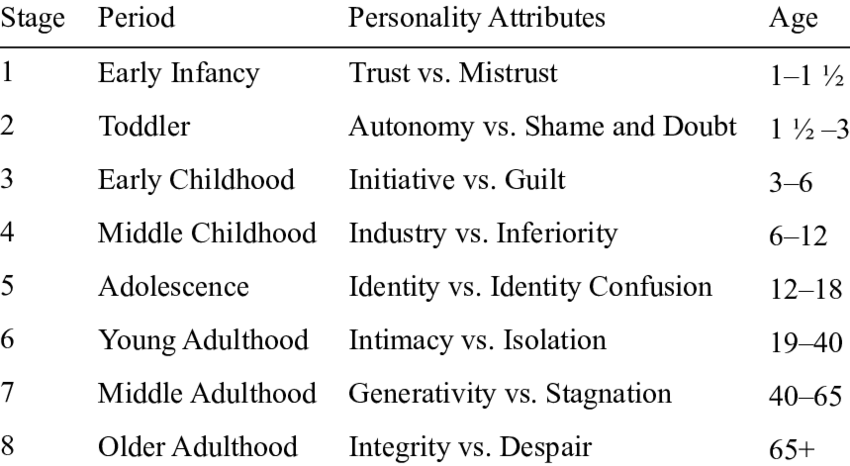
A crucial piece of this puzzle is attachment. Pioneered by psychologist John Bowlby, attachment theory explains the deep emotional bond that forms between a child and their primary caregiver. This isn't just about love; it's a biological instinct for survival.
When a child has a secure attachment, they see their caregiver as a safe base. From this base, they can confidently explore the world, knowing they have a secure harbor to return to if they feel scared or overwhelmed.
This bond is formed through consistent, responsive care. When a caregiver attunes to a child's needs—feeding them when hungry, comforting them when distressed—it builds a foundation of trust and emotional security.
A safe and nurturing environment is essential for fostering resilience in young children.
The impact of these early experiences is profound. The cognitive skills, emotional security, and social abilities developed in the first few years of life set the stage for future relationships, academic success, and overall well-being. They are the foundation upon which a confident and resilient person is built.