Building Commissioning Essentials
Introduction to Building Commissioning
What is Building Commissioning?
Think about the last time you bought a complex piece of technology, like a car or a high-end computer. You expect it to work perfectly right out of the box. That's because it went through a series of checks and tests to ensure everything was installed and functioning correctly. Building commissioning is a similar idea, but for an entire building.
Commissioning is a quality-focused process for verifying that all building systems perform as intended, from the initial design to long-term operation.
It's not just a final inspection. Commissioning is a comprehensive process that starts early in the design phase and continues through construction, occupancy, and even into the building's operational life. The core goal is to bridge the gap between what the building owner wants and what the design and construction teams deliver. It ensures all the complex systems in a modern building—like heating, ventilation, air conditioning (HVAC), lighting, plumbing, and fire safety—work together efficiently and reliably.
Purpose and Objectives
The primary purpose of commissioning is to ensure the finished building meets the owner's specific needs and goals. These are formally documented in what’s known as the Owner's Project Requirements (OPR). The OPR is the foundational document that guides the entire project, outlining everything from energy efficiency targets to indoor air quality standards and operational needs.
The commissioning process then methodically verifies that the building's design, construction, and operation align with this document. It's about asking critical questions at every stage: Does the design reflect the owner's goals? Was the equipment installed correctly? Are the systems tested and calibrated to perform optimally?
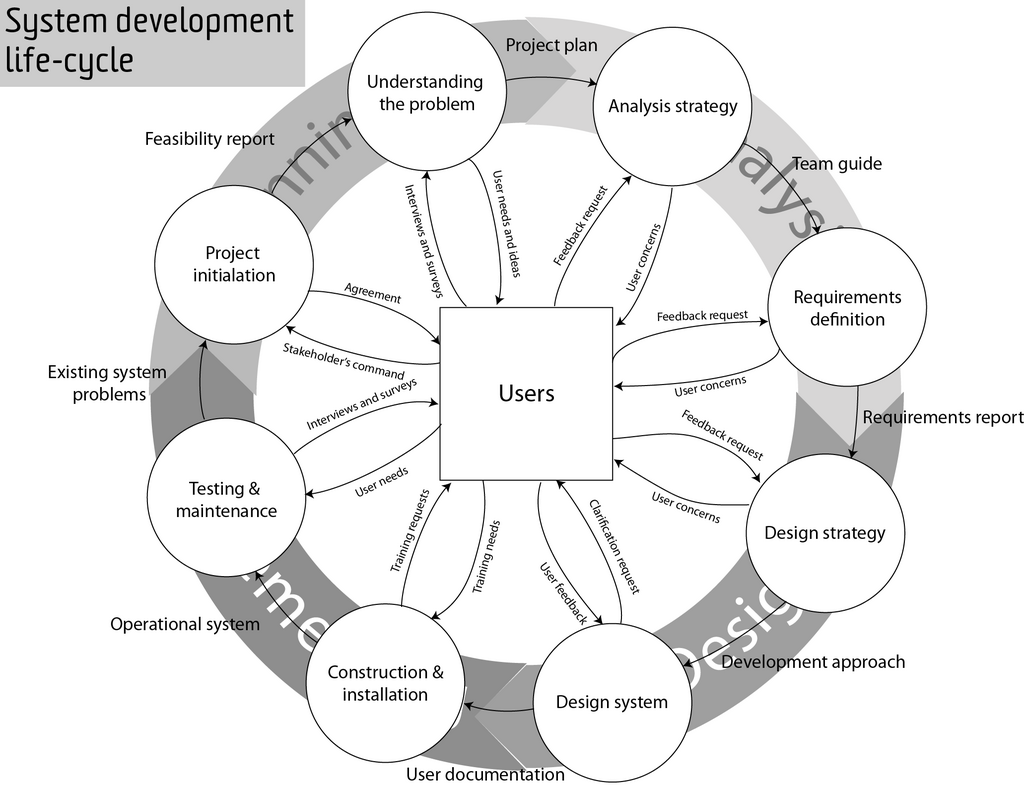
This proactive approach helps catch potential problems early, when they are easier and cheaper to fix, rather than after the building is occupied and issues become disruptive and expensive.
Key Benefits
Investing in commissioning pays dividends throughout the building's life. It isn't just an extra cost; it's a strategy for long-term value.
Effective construction project management drives projects to fruition, ensuring that every phase—from planning to execution—meets the highest standards of quality, cost-efficiency, and timeliness.
Here are some of the main benefits:
- Improved Performance and Comfort: A commissioned building simply works better. Occupants are more comfortable because the HVAC systems are properly balanced, the lighting is correct, and everything functions as designed. This leads to fewer complaints and a more productive environment.
- Enhanced Sustainability: Commissioning is crucial for achieving sustainability goals. By verifying that energy and water systems are installed and calibrated for peak efficiency, the process helps reduce a building's environmental footprint and lower utility costs. A building might have the most advanced energy-saving equipment, but without commissioning, it may not perform as expected.
- Higher Quality and Durability: The process acts as a rigorous quality control check. It identifies and corrects issues like improper equipment installation, construction defects, and missing components. This prevents premature wear and tear on expensive systems, extending their lifespan and reducing long-term maintenance costs.
What is the primary purpose of building commissioning?
The foundational document that guides the commissioning process by outlining the owner's goals for energy efficiency, indoor air quality, and operational needs is known as the __________.
In short, commissioning ensures that a building is delivered and operates exactly as the owner envisioned, creating a high-quality, efficient, and sustainable space from day one.