Building an AI Research Lab and Securing Funding
Understanding AI Research Labs
Where AI Is Born
New artificial intelligence technologies don't just appear out of thin air. They are born in specialized environments called research labs. Think of these labs as workshops for the future, where scientists, engineers, and thinkers gather to explore the very limits of what machines can do.
These labs can be part of a university, a large tech company, or a non-profit organization. Regardless of where they are, their primary goal is to conduct fundamental research. This means they tackle big, challenging questions that might not lead to a product next month or even next year. They're playing the long game, aiming for breakthroughs that will redefine technology for decades to come.
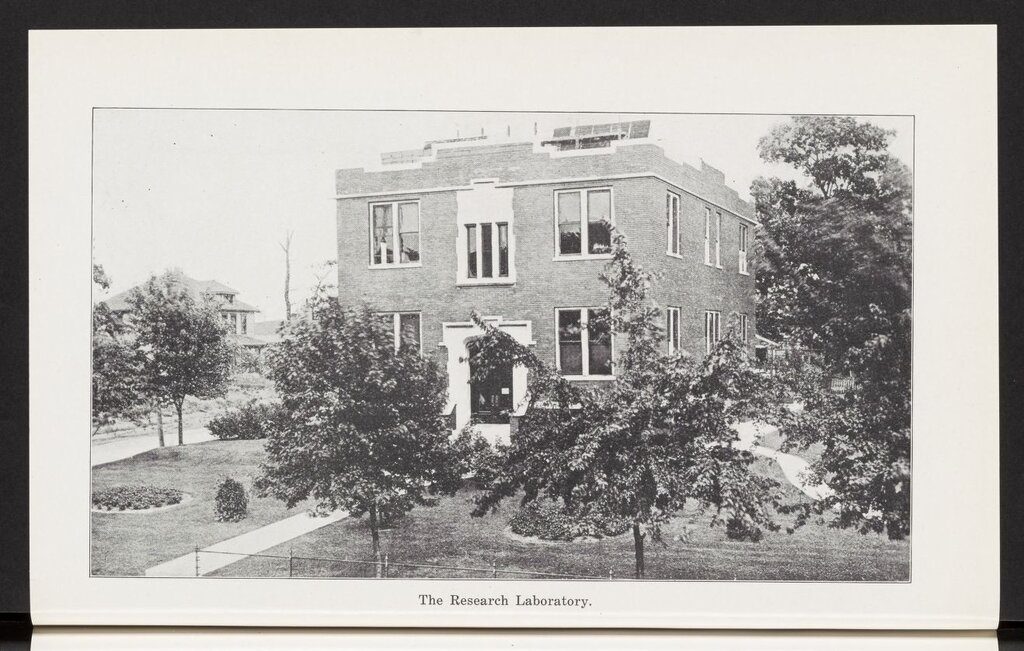
Engines of Innovation
AI research labs are the engines driving technological progress. They provide the three key ingredients for innovation: people, resources, and freedom. By bringing together brilliant minds from diverse fields like computer science, linguistics, and even philosophy, they create a fertile ground for new ideas to sprout.
Labs give researchers access to immense computing power and vast datasets, which are essential for training and testing complex AI models. Most importantly, they offer the freedom to experiment, to follow a hunch, and even to fail. Many of the most significant advances in AI came from projects that initially seemed impractical but were allowed to develop in the exploratory environment of a lab.
This process of discovery is rarely a solo effort. Collaboration is key. A computer scientist might develop a new algorithm, a neuroscientist might offer insights from the human brain, and an ethicist might guide the project toward responsible outcomes. This teamwork is what turns a theoretical idea into a tangible advancement.
Famous Labs in Action
To see how this works in the real world, we can look at some of the most influential AI labs. MIT's Computer Science and Artificial Intelligence Laboratory, better known as CSAIL, is a titan in the academic world. As one of the largest research labs at MIT, it has been at the forefront of computing and AI research for over sixty years, contributing to everything from robotics to cybersecurity.

Not all major labs are part of universities. The Allen Institute for AI (AI2) is a non-profit research institute founded by Microsoft co-founder Paul Allen. Its stated mission is to conduct high-impact AI research for the common good.
AI2 focuses on areas like natural language processing and computer vision, creating open-source tools and datasets that benefit the entire research community, not just a single company.
From academic powerhouses like CSAIL to mission-driven non-profits like AI2 and the private labs at major tech companies, these institutions form a global network of discovery. They are the places where the future of artificial intelligence is being debated, designed, and built, one experiment at a time.
What is the primary goal of an AI research lab?
Which of the following are the three key ingredients for innovation provided by AI labs?