Building AI Chatbots Like ChatGPT
Introduction to NLP
Teaching Computers Our Language
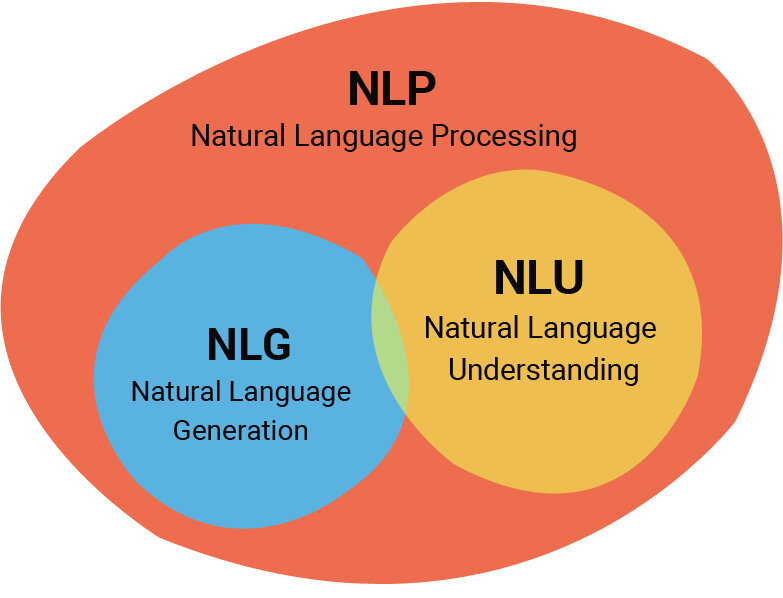
Computers are great with numbers, but human language is a different beast. It's messy, full of nuance, and constantly changing. Natural Language Processing, or NLP, is the field of artificial intelligence that focuses on teaching computers to understand, interpret, and generate human language, both spoken and written. Think of it as building a bridge between how we communicate and how computers process information.
NLP empowers computers to process, understand, and generate human language.
The goal is to enable machines to perform useful tasks with language, from translating a sentence to understanding the sentiment behind a customer review. NLP combines computer science, AI, and linguistics to make this happen. It breaks down language into its core components so a machine can work with it.
Breaking Language Down
A computer can't just read a sentence and get the gist like we do. It needs to follow a structured process to deconstruct the language into pieces it can analyze. This involves several key tasks that act like building blocks for understanding.
Tokenization
noun
The process of breaking down a stream of text into smaller units, called tokens. These tokens can be words, characters, or subwords.
After breaking a sentence into word tokens, the next step is often to figure out what role each word plays. This is where part-of-speech tagging and named entity recognition come in.
| Task | Description | Example |
|---|---|---|
| Part-of-Speech (POS) Tagging | Assigning a grammatical category (noun, verb, adjective, etc.) to each token. | Input: The quick brown fox. Output: The (Determiner) quick (Adjective) brown (Adjective) fox (Noun). |
| Named Entity Recognition (NER) | Identifying and classifying key information, or "entities," in text into predefined categories. | Input: Apple was founded by Steve Jobs in California. Output: Apple (Organization), Steve Jobs (Person), California (Location). |
The Hard Parts
Human language is tricky. What makes it rich and expressive for us poses significant challenges for machines. The biggest hurdles are ambiguity and the need for context.
Consider the sentence: "I saw a man on a hill with a telescope." Who has the telescope? You, or the man on the hill? The sentence structure is ambiguous.
Words can also have multiple meanings. The word "bank" could refer to a financial institution or the side of a river. Without context, a computer has no way of knowing which meaning is correct. Idioms and sarcasm are even harder. A machine might take the phrase "it's raining cats and dogs" literally, which would be quite confusing.
NLP in the Wild
You probably use NLP every day without even realizing it. It's the engine behind many of the tools we rely on. Your email's spam filter uses NLP to analyze incoming messages and decide if they're junk. When your phone suggests the next word you might want to type, that's NLP at work.
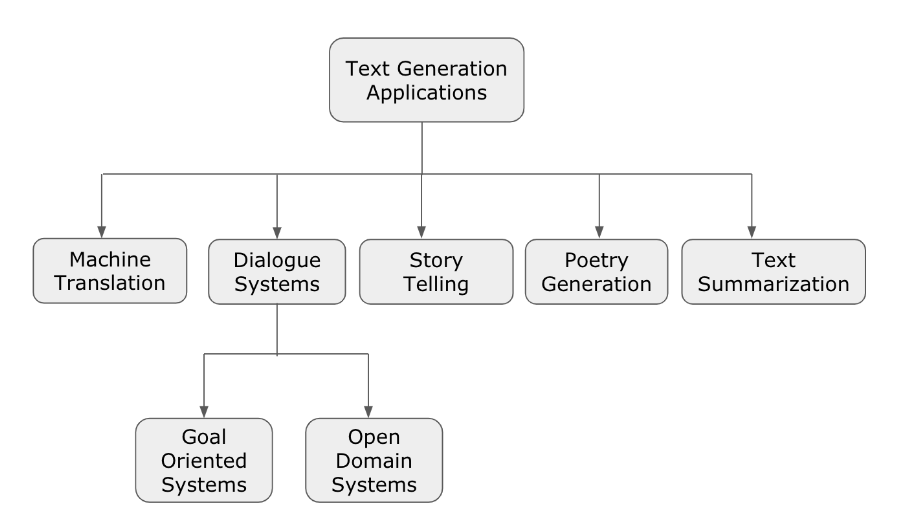
Other common applications include:
- Virtual Assistants: Siri, Alexa, and Google Assistant use NLP to understand your voice commands and respond.
- Machine Translation: Tools like Google Translate use NLP to convert text from one language to another.
- Sentiment Analysis: Companies use this to gauge public opinion by analyzing social media posts or customer reviews.
- Chatbots: Customer service chatbots use NLP to understand user questions and provide relevant answers.
These applications are all built on the foundational concepts of processing and understanding language. By breaking down text, identifying patterns, and making predictions, NLP allows machines to interact with us in a more natural, human way.