Building Agentic AI Systems
Introduction to Agentic AI
More Than Just an Answer Machine
For years, artificial intelligence has been very good at answering our questions. We ask for a fact, a translation, or the fastest route, and an AI provides a response. This is incredibly useful, but it's a reactive relationship. The AI waits for a prompt and then delivers a self-contained answer. It’s like a super-powered calculator or encyclopedia.
Agentic AI is different. It represents a shift from a reactive tool to a proactive partner. Instead of just answering a question, an agentic system can take on a goal, create a plan, and execute a series of actions to achieve it. It has agency—the capacity to act independently and make its own choices to get a job done.
Agentic AI represents a fundamental paradigm shift in artificial intelligence, moving from passive, prompt-driven systems to autonomous, goal-oriented agents that can plan, learn, and execute complex tasks with minimal human intervention.
Think of it this way: a traditional AI is like a chef who can follow any recipe you give them perfectly. An agentic AI is like a chef you can ask to "make a healthy, delicious dinner for four people," who then checks the pantry, finds a recipe, and cooks the meal, all without further instruction.
How Agentic AI Works
This ability to act independently comes from a few key characteristics that set agentic AI apart from its predecessors.
-
Autonomy: Agents can operate without direct, step-by-step human guidance. A spam filter that automatically sorts emails is a simple form of autonomy. An agentic version might go further, noticing you haven't opened emails from a certain sender in months and proactively asking if you want to unsubscribe.
-
Goal-Oriented Behavior: You give an agent a high-level objective, not a list of commands. For example, instead of manually searching flights, hotels, and car rentals, you could tell an agent to "plan a budget-friendly trip to Lisbon for the first week of June." The agent then works to find the best options that fit the criteria.
-
Adaptability: The environment is always changing. An agentic system can perceive these changes and adjust its plan. A delivery robot, for instance, can adapt to a closed road or an unexpected obstacle by finding a new route on its own.
Agents in the Real World
The potential applications for agentic AI are vast and cut across many industries. In finance, agents could monitor markets 24/7, executing trades based on complex, evolving strategies to manage an investment portfolio.
In healthcare, an AI agent could help manage a patient's chronic condition. It might track data from a wearable device, schedule appointments when it detects worrying signs, and even provide personalized diet and exercise reminders, all while keeping the doctor informed.
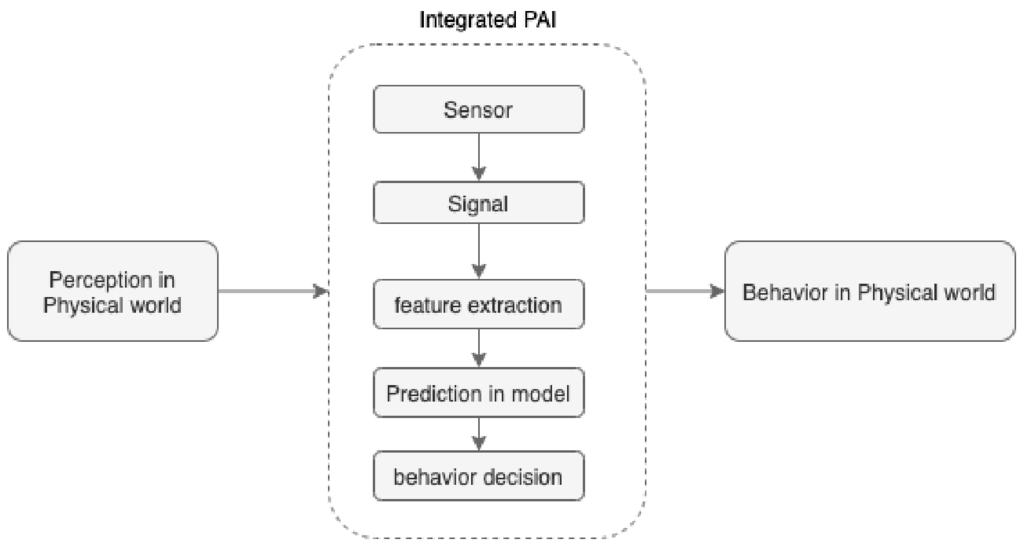
Robotics is another natural fit. Warehouse robots can work together to organize inventory, fulfilling orders by autonomously navigating the floor, retrieving items, and packing them for shipment. This goes far beyond simple, repetitive robotic arms on an assembly line.
The Challenges Ahead
Giving machines this level of autonomy also raises important ethical questions. If an autonomous AI makes a mistake, who is responsible? The user, the developer, or the company that deployed it?
There are also concerns about safety and control. How do we ensure that a goal-oriented AI doesn't pursue its objective in a harmful or unintended way? Building robust safety protocols and transparent decision-making processes is critical. We need to be able to understand why an agent made a particular choice, especially when the stakes are high.
These are complex challenges that require careful thought and regulation as agentic systems become more integrated into our daily lives.
What is the primary distinction between an agentic AI and a traditional AI?
A delivery robot encounters a blocked road and calculates a new path to its destination without human intervention. This action primarily demonstrates which characteristic of agentic AI?
Agentic AI is a powerful evolution in artificial intelligence, moving from systems that know things to systems that can do things. Understanding its core principles is the first step toward harnessing its potential responsibly.