Building a Simple Oboe
Oboe Materials
From Tree to Tone
The sound of an oboe begins with the material it's made from. For centuries, the gold standard for professional oboes has been Grenadilla, also known as African blackwood. This isn't just for looks. Grenadilla is incredibly dense and stable, which allows it to vibrate evenly and produce the rich, complex tone oboists love.
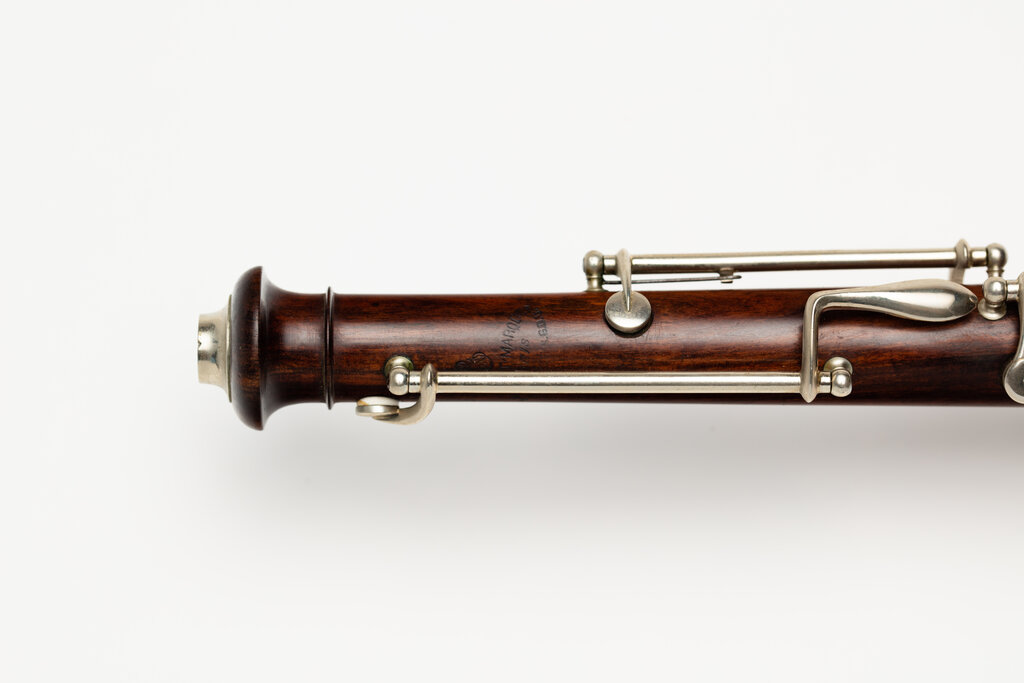
The wood's properties are critical. A dense grain structure helps project sound clearly and prevents the wood from absorbing too much moisture from the player's breath. This moisture resistance is crucial, as changes in humidity can cause wood to swell or shrink, potentially leading to cracks. Oboists must carefully manage their instruments, especially when moving between different climates.
Other hardwoods like rosewood or cocobolo are also used, each lending a slightly different character to the instrument's voice. However, Grenadilla remains the most common choice for its unique combination of durability and tonal quality.
The choice of wood significantly impacts an oboe’s tonal quality, response, and durability.
Of course, not all oboes are made of rare tropical hardwood. Many student models are made from composite materials or high-quality resins. These modern alternatives offer several advantages. They are far more resistant to changes in temperature and humidity, making them less likely to crack and easier to maintain. They are also less expensive to produce.
While a professional might notice a difference in the complexity of the sound, a resin oboe provides a consistent, reliable tone that’s perfect for a developing player. The choice between wood and a modern alternative often comes down to a trade-off between tonal nuance and practical durability.
The Heart of the Sound
While the oboe's body shapes the sound, the reed creates it. The reed is the true heart of the instrument. It's a meticulously crafted component made from a very specific type of cane called Arundo donax.
Arundo donax
noun
A tall perennial cane, similar to bamboo, that grows in damp soils. It is the only material used for making oboe and other woodwind reeds.
This particular cane is prized for its combination of strength and flexibility. The fibers within the cane must be strong enough to withstand the pressure of being played, yet pliable enough to vibrate thousands of times per second. Oboists select cane based on its density, straightness of grain, and color, as each of these factors can influence the final sound.
Harder, denser cane often produces a brighter, more projecting sound, but it can be more difficult to control. Softer cane might offer a darker, warmer tone but may not last as long. This is why many advanced oboists learn to make their own reeds. They can scrape and adjust the cane, thinning it to fractions of a millimeter, to achieve the exact response and tone quality they want. For an oboist, the quest for the perfect piece of cane is a never-ending part of mastering their instrument.
Now, let's test your knowledge on the materials that give the oboe its unique voice.
What is the primary material used for the body of most professional oboes?
Why might a student oboist choose an instrument made from a composite material instead of wood?
Understanding these materials is the first step in appreciating the complex craftsmanship behind every note an oboe plays.