Building a Product Like Oboe
Introduction to Digital Music Platforms
From Records to Streams
For decades, listening to music meant owning a physical object: a vinyl record, a cassette tape, or a CD. The digital revolution, powered by the creation of the MP3 file format, changed everything. Suddenly, music could be compressed into a small file, easy to store and share online.
This led to the rise of peer-to-peer file-sharing services like Napster in the late 1990s. For the first time, millions of songs were available for free, completely upending the traditional music industry. While these platforms operated outside the law, they showed a massive public demand for easily accessible digital music.
The first legal and commercially successful model to emerge was the digital download store. Apple's iTunes Store, launched in 2003, was the pioneer. It allowed users to legally buy individual songs or entire albums, offering a convenient alternative to both physical CDs and illegal downloads.
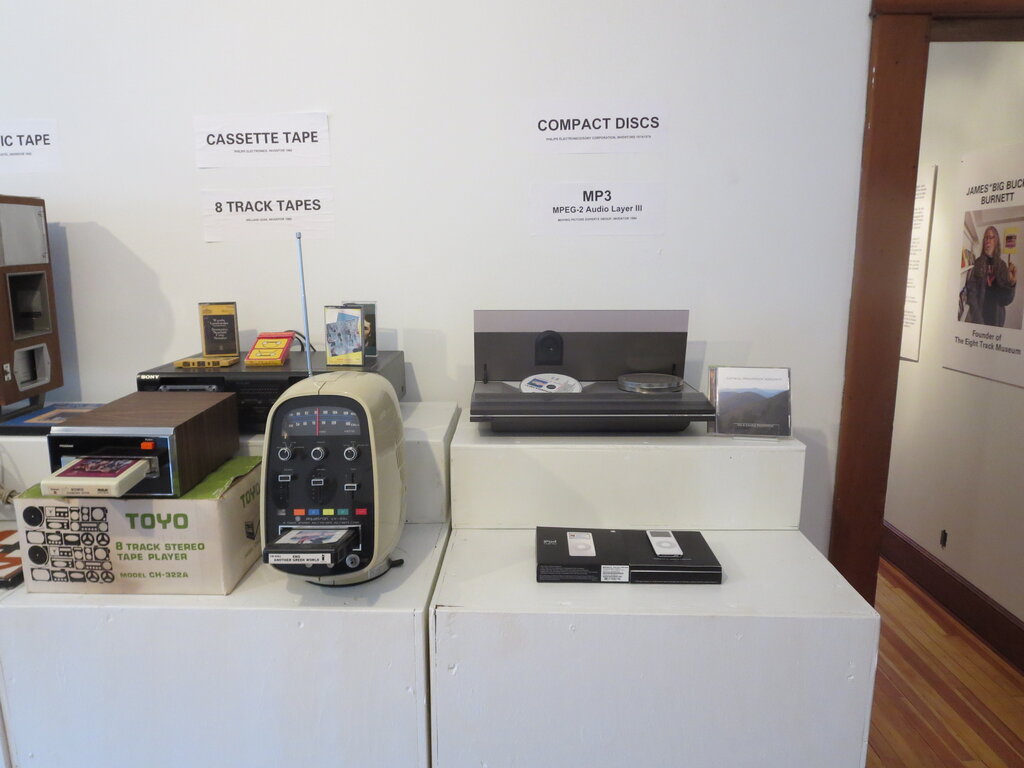
This pay-per-song model dominated for years, but another shift was on the horizon: the move from owning music to simply accessing it.
The Modern Music Landscape
Today, streaming is the most common way people listen to music. Instead of downloading a file to a specific device, you play it directly from the internet. This has given rise to a diverse ecosystem of platforms, each serving a different purpose.
| Platform Type | Description | Examples |
|---|---|---|
| Subscription Streaming | Offers unlimited access to a vast music library for a monthly fee. | Spotify, Apple Music, Tidal |
| Download Stores | Users purchase and own digital copies of songs or albums. | iTunes Store, Bandcamp |
| Creator Platforms | Focus on user-generated content, allowing artists to upload their music directly. | SoundCloud, YouTube Music |
| Royalty-Free Libraries | Provide licensed music for use in videos, podcasts, and other media. | Artlist, Musopen |
These platforms have fundamentally changed the music industry. Artists can now distribute their music to a global audience without needing a major record label. For listeners, it means access to a virtually endless library of music from every genre and era, right at their fingertips. This direct connection has also created new avenues for music discovery through curated playlists and algorithmic recommendations.
The digital age has significantly changed how music is consumed, promoted, and monetized.
How Platforms Make Money
Digital music platforms operate on a few key business models. Understanding them helps explain how artists get paid and why platforms structure their services in certain ways.
Many streaming services, like Spotify, use a hybrid approach. They offer a free, ad-supported tier to attract users, hoping they will eventually upgrade to a paid subscription for a better experience, such as ad-free listening and offline downloads. Download stores like Bandcamp primarily use the à la carte model but may also offer streaming options.
This ecosystem of platforms and business models defines the modern music industry, creating a dynamic environment for both creators and consumers.
Ready to check your understanding?
What was the primary impact of the MP3 file format on the music industry?
Which platform first successfully commercialized the legal, pay-per-song digital download model?
This overview provides a foundation for how digital music platforms work. As technology evolves, these models and platforms will continue to adapt, shaping the future of how we create, share, and experience music.