Building a Political Movement Beyond Parties
Understanding Political Movements
The Power of People
Change rarely happens overnight. More often, it starts as a shared idea or a common frustration among a group of people. When that group organizes to push for a specific political or social goal, it becomes a political movement. These are collective efforts, often by large numbers of people, aimed at altering public policy, laws, or even fundamental societal values.
Unlike formal political institutions, movements draw their power from the ground up. They are expressions of the public's will, operating outside the conventional halls of power. Their tools aren't always votes and legislation, but protests, advocacy, and public awareness campaigns. They seek to change minds as much as they seek to change laws.
movement
noun
A group of people working together to advance their shared political, social, or artistic ideas.
Movements vs. Parties
It's easy to confuse political movements with political parties, but they serve different functions. A political party's main goal is to win elections to gain control of government. They build broad platforms to appeal to a wide range of voters and nominate candidates to run for office.
A political movement, on the other hand, is typically focused on a more specific issue or a cluster of related issues. Its goal isn't to run the government, but to influence it and the wider society. Movements pressure parties and politicians to adopt their goals. They can be more flexible, less formally structured, and often represent voices that feel ignored by the mainstream political process.
| Feature | Political Movement | Political Party |
|---|---|---|
| Primary Goal | Change policy or social values | Win elections and govern |
| Structure | Often informal, decentralized | Formal, hierarchical |
| Scope | Focused on a specific cause | Broad platform on many issues |
| Methods | Protests, advocacy, education | Fielding candidates, legislation |
Historical Turning Points
History is filled with examples of movements that reshaped societies. They demonstrate that organized, persistent citizens can challenge established power and create lasting change.
One of the most powerful examples is the American Civil Rights Movement. For decades, activists fought against racial segregation and discrimination. Through nonviolent protests, marches, boycotts, and voter registration drives, they challenged unjust laws and awakened the nation's conscience.
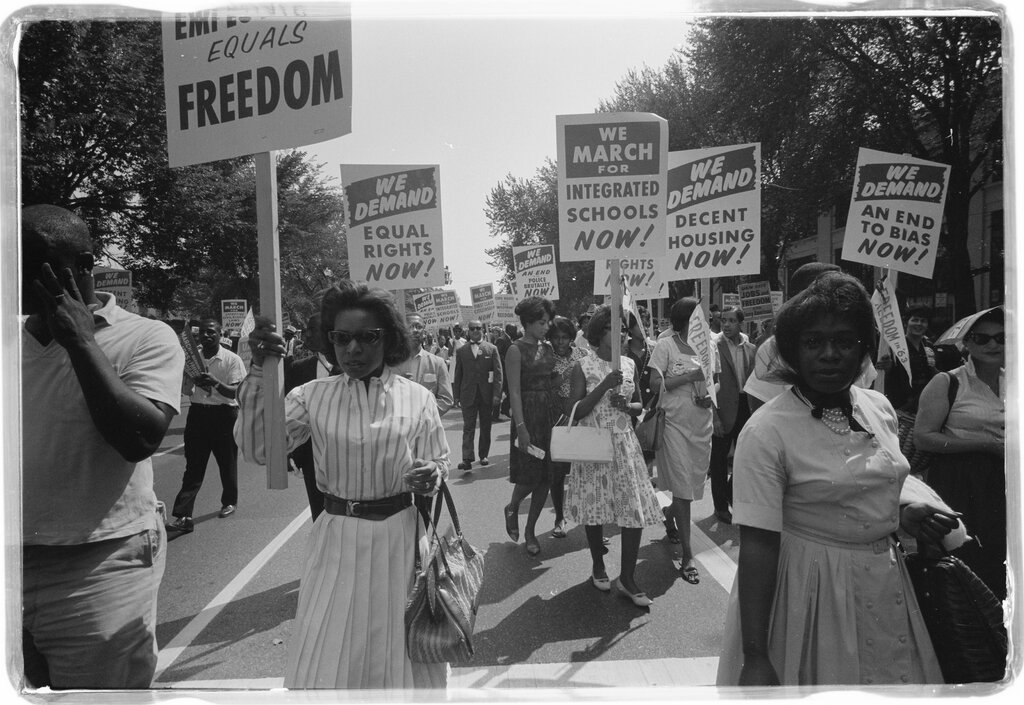
The movement's pressure led directly to landmark legislation, including the Civil Rights Act of 1964 and the Voting Rights Act of 1965. These laws didn't erase prejudice, but they dismantled the legal framework of segregation, marking a monumental step toward equality.
Another transformative example was the global anti-apartheid movement. Inside South Africa, activists organized to resist the country's brutal system of institutionalized racial segregation. Their struggle gained powerful allies around the world.
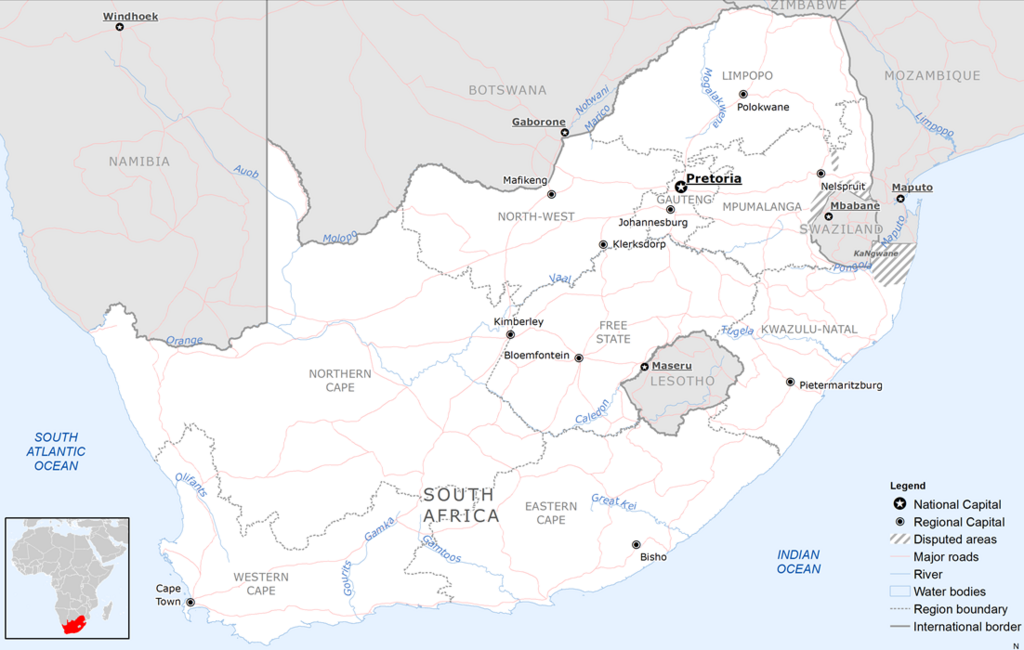
Nations, organizations, and individuals joined in, imposing economic sanctions, cultural boycotts, and diplomatic pressure on the South African government. This combination of internal resistance and international solidarity eventually led to the end of apartheid in 1994 and the election of Nelson Mandela as president.
Both movements show that change doesn't always come from within the government. It often begins with ordinary people demanding justice, building coalitions, and sustaining their fight for a better world.
What is the primary characteristic of a political movement?
What is the key difference between a political movement and a political party?