Building a Payment System
Payment System Basics
The Journey of Your Money
Every time you buy something, whether it's tapping your card for a coffee or clicking “confirm purchase” online, you're using a payment system. Think of it as the digital plumbing that lets money flow from one person or business to another. Its purpose is simple: to make sure the right amount of money gets from the right sender to the right receiver, safely and reliably.
Payment processing is the plumbing that enables money to move securely from the customer’s account to the business’s account whenever a digital payment is made.
This process seems instant, but it involves a coordinated dance between several key players.
The Key Players
Every transaction involves a cast of characters, each with a specific role.
| Player | Role |
|---|---|
| Payer | The person or entity making the payment. That's you when you're buying something. |
| Payee | The person or entity receiving the payment. This is the merchant or service provider. |
| Financial Institutions | These are the banks. The payer's bank (the issuing bank) and the payee's bank (the acquiring bank) hold the funds and are responsible for moving them. |
| Payment Gateway | The digital equivalent of a cash register. It securely captures your payment information on a website or at a terminal and sends it on its way. |
| Payment Processor | The engine room of the transaction. It routes the payment information between the gateway, the banks, and the card networks (like Visa or Mastercard) to get the necessary approvals. |
These players work together in a sequence to complete a single transaction.
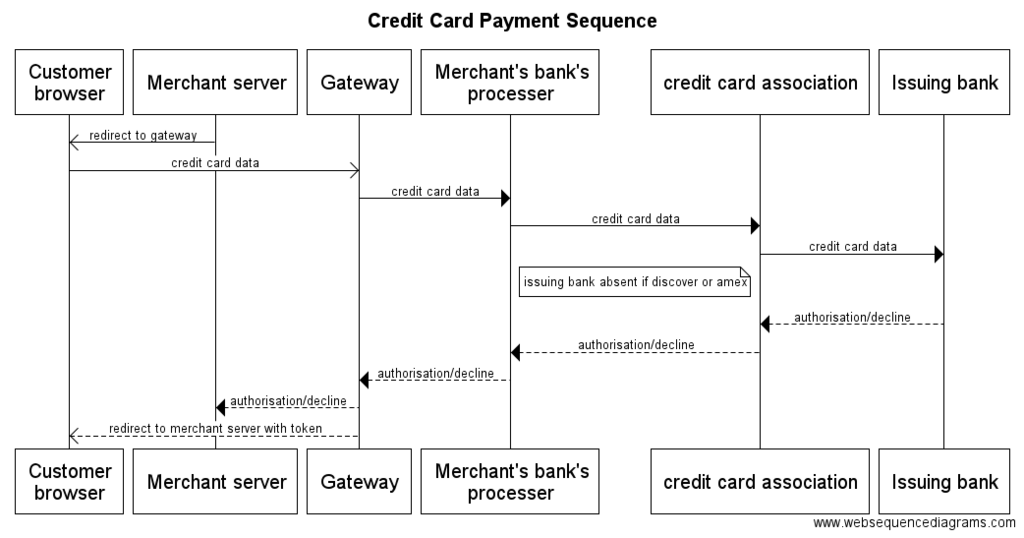
A Three-Act Play
The journey of a payment happens in three main stages: authorization, clearing, and settlement.
1. Authorization: The Green Light This is the “May I?” step. When you tap your card, the payment gateway securely sends a request through the processor to your bank. Your bank checks if you have enough funds and if the card is valid. If everything looks good, it sends back an approval message. This all happens in a couple of seconds.
2. Clearing: The Paperwork At the end of the day, the merchant sends a batch of all their approved transactions to their bank. The banks then exchange the details of these transactions. It’s like all the IOUs from the day being sorted and sent to the right place for payment.
3. Settlement: The Money Moves This is the final step where the actual money transfer happens. The payer's bank sends the funds to the payee's bank. The merchant now has their money, and the transaction is officially complete. This stage usually takes a day or two.
Types of Systems
While the core process is similar, you interact with different types of payment systems every day.
Card-Based Payments
other
Transactions using credit, debit, or prepaid cards. This is the most common form of digital payment, relying on networks like Visa, Mastercard, or American Express to function.
Another common method is a direct link between bank accounts.
Electronic Funds Transfer (EFT)
other
A system that moves money directly from one bank account to another. Think of direct deposits for your paycheck or automatic bill payments. In the U.S., this is often handled by the Automated Clearing House (ACH) network.
Finally, we have the modern, all-in-one solutions.
Digital Wallets
other
Services like Apple Pay, Google Pay, or PayPal that store your payment information (like card details or bank accounts) in one secure place. They act as a convenient layer on top of card-based or EFT systems, letting you pay without pulling out your physical card.
Each system uses the same fundamental players and processes, just packaged in a different way for convenience and speed.
Ready to test your knowledge?
What is the primary purpose of a payment system?
The process of a payment transaction involves a coordinated effort between several different entities.
Understanding these basics helps demystify what happens behind the scenes every time you spend money in the digital world.