Building a Latticework of Mental Models
Introduction to Mental Models
What Are Mental Models?
Your brain is constantly trying to make sense of the world. To do this, it builds simplified representations of how things work. These internal blueprints are called mental models. Think of them as maps. A map isn't the territory itself, but it's a useful simplification that helps you navigate. Mental models do the same thing for your thoughts.
They are the frameworks and theories you hold in your mind that shape how you see the world, understand problems, and make decisions. You have mental models for everything: how to order coffee, how a friendship works, or why your favorite team keeps losing. Most of the time, you don't even know you're using them.
A mental model is simply an explanation of how something works.
The significance of these models is huge. Because the world is incredibly complex, we can't possibly process every piece of information around us. Mental models act as cognitive shortcuts, helping us filter and interpret this flood of data. A good model helps you understand cause and effect, see patterns, and make predictions about what might happen next. A flawed model can lead you astray.
A Brief History
The idea isn't new. In 1943, psychologist Kenneth Craik first proposed that the mind constructs “small-scale models” of reality to anticipate events. This concept was a major step forward, suggesting that our brains aren't just passive receivers of information but active builders of knowledge.
Later, cognitive scientists like Philip Johnson-Laird expanded on this, arguing that our reasoning process relies heavily on creating and manipulating these internal models. Instead of using formal logic for every problem, he suggested we build a model of the situation in our minds and then explore its implications. This idea helped explain how people solve problems and understand language in a more flexible, intuitive way than pure logic would allow.
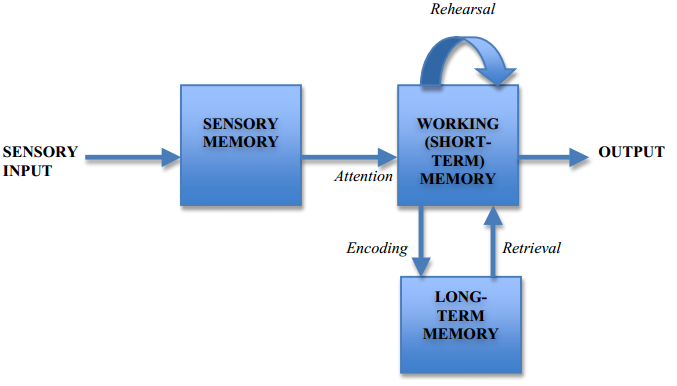
The concept gained broader attention through thinkers like Charlie Munger, who emphasized the power of having a diverse toolkit of mental models borrowed from different fields like physics, economics, and psychology.
Models in Action
How do mental models actually work in your brain? They influence what you pay attention to and how you interpret it. If your mental model of a
leader
noun
The person who leads or commands a group, organization, or country.
is someone who gives commands, you'll interpret a quiet, consensus-building colleague differently than if your model is of a
servant
noun
A person who performs duties for others, especially a person employed in a house on domestic duties or as a personal attendant.
leader who supports their team from behind. The reality is the same, but the model you use changes your perception entirely.
Your mental models aren't just what you think—they're how you think.
Consider a simple example: a thermostat. Your mental model of a thermostat might be that it works like a gas pedal—the higher you set it, the faster it heats the room. But that's not how it works. A thermostat has an on/off switch. It turns the heat on until it reaches the target temperature, then turns it off. Cranking it up to 90 degrees won't make the room heat up any faster. A faulty mental model leads to inefficient behavior.
Understanding this concept is the first step toward improving your thinking. By becoming aware of your own mental models, you can start to examine them, question them, and ultimately, build better ones.