Building a Home Health Agency Workforce
Understanding Home Healthcare
Care Beyond the Clinic
When people think of healthcare, they often picture hospitals, doctor's offices, and sterile equipment. But some of the most important care happens in a much more familiar place: home. Home healthcare is exactly what it sounds like—a range of services provided to a person in their own residence.
Healthcare doesn’t stop at the four walls of the hospital, clinic, or pharmacy; it extends into homes, schools, and neighborhoods.
While some home care involves skilled medical professionals like nurses, a large and growing portion is non-medical. This type of care focuses on helping people with the activities of daily living, allowing them to live safely and comfortably at home. It's about supporting independence and quality of life, not just treating illness.
What Services are Included?
Non-medical home care covers a wide spectrum of support tailored to an individual's needs. The goal is to assist with tasks that have become difficult due to age, disability, or recovery from an injury. These services are provided by caregivers, also known as personal care assistants or home health aides.
| Category | Examples of Services |
|---|---|
| Personal Care | Bathing, dressing, grooming, and assistance with mobility. |
| Homemaking | Light housekeeping, laundry, meal preparation, and grocery shopping. |
| Companionship | Engaging in conversation, playing games, and providing emotional support. |
| Health Support | Medication reminders and transportation to doctor's appointments. |
Think of these caregivers as a support system that enables a person to maintain their routine and dignity. They don't administer medication or perform clinical tasks, but their work is essential to a client's overall well-being.
Who Benefits from Home Care?
The clientele for non-medical home care is diverse. While seniors who wish to "age in place" rather than move to a facility are the largest group, they are not the only ones who benefit.
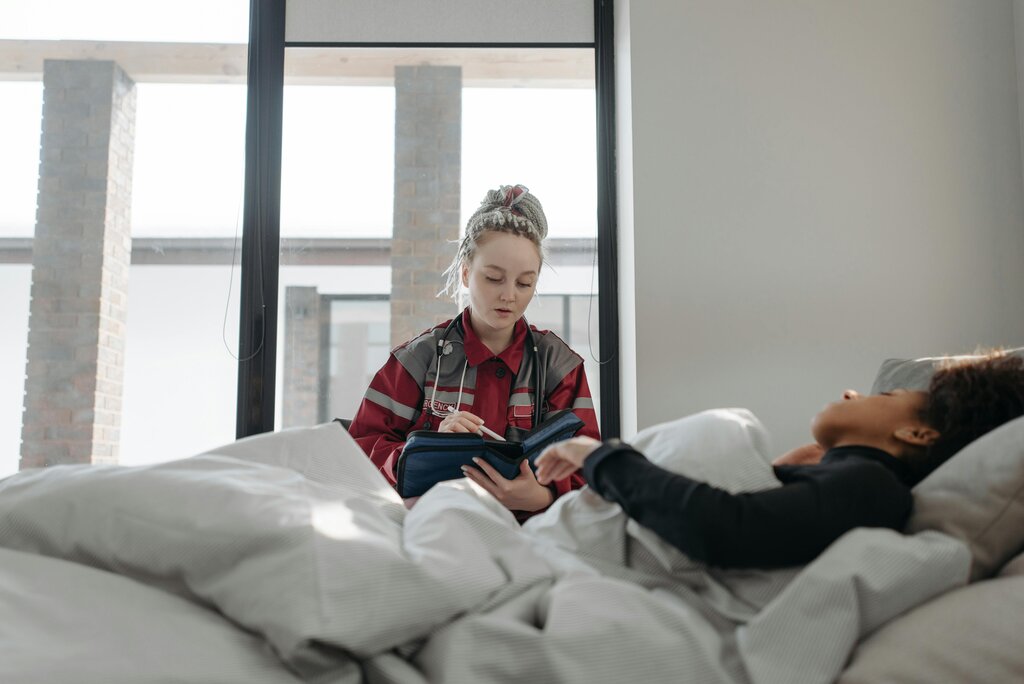
Others who rely on these services include:
- Individuals recovering from surgery: People who need temporary help with chores and personal care after a hospital stay.
- Adults with disabilities: Those who need ongoing assistance to live independently.
- People with chronic illnesses: Individuals who have good days and bad days and need flexible support.
- New mothers: Parents who may need an extra hand with housekeeping or meal prep after childbirth.
The common thread is a desire for independence and a need for a helping hand to achieve it safely.
A Growing and Vital Field
The demand for home healthcare is surging. As the baby boomer generation ages, more people prefer the comfort and familiarity of their own homes over institutional settings. This trend has made non-medical caregiving one of the fastest-growing professions.
Non-medical personnel are the backbone of this industry. They build relationships with clients, offer crucial emotional support, and act as a link to the outside world, especially for those who are homebound. Their role is not just about completing tasks; it's about providing compassionate, person-centered care that enhances lives.
Now, let's check your understanding of these core concepts.
What is the primary goal of non-medical home care?
Which of the following client groups is described as the largest user of non-medical home care?
Home healthcare provides a vital bridge, ensuring people can live with dignity and support where they are most comfortable.