Building a Farnsworth-Hirsch Fusor
High Voltage Power
Generating the Star-Making Voltage
To achieve inertial electrostatic confinement (IEC) fusion, you need to create a powerful electric field. This field accelerates deuterium ions toward the center of the vacuum chamber, causing them to collide with enough energy to fuse. This requires a specialized high-voltage (HV) power supply. Specifically, we need a negative DC voltage in the range of 20,000 to 40,000 volts (20-40kV) capable of delivering about 10 to 30 milliamps (mA) of current. The supply must be negative because we need to attract positively charged ions to the central grid. By grounding the outer shell of the fusor (positive ground) and applying a strong negative charge to the inner grid, we create the immense potential difference needed to pull those ions inward.
Choosing Your Power Source
There are three common paths to generating the required high voltage, each with distinct advantages and drawbacks. The choice often comes down to budget, availability of parts, and your comfort level with HV electronics.
| Transformer Type | Pros | Cons | Best For... |
|---|---|---|---|
| Neon Sign Transformer (NST) | Reliable, self-limiting current, easy to find. | Heavy, bulky, lower frequency (60Hz) requires larger filter capacitors. | Beginners looking for a straightforward and relatively safe starting point. |
| Microwave Oven Transformer (MOT) | Very powerful, cheap, widely available. | Extremely dangerous without proper ballasting, prone to lethal current output. | Experienced builders who understand how to implement robust current limiting. |
| Flyback Transformer | Lightweight, compact, high frequency allows for smaller components. | Complex to drive, requires a custom driver circuit, output can be unstable. | Tinkerers who enjoy circuit design and want a compact, modern supply. |
For our purposes, we'll focus on a design that offers a good balance of power and relative safety: using a flyback transformer paired with a voltage multiplier. This approach is popular because it allows for fine control over the output and uses smaller, more manageable components than the bulky transformers from neon signs or microwaves. The high operating frequency (often >20kHz) of a flyback means any subsequent filtering and multiplying stages can be built with much smaller capacitors.
Multiplying the Voltage
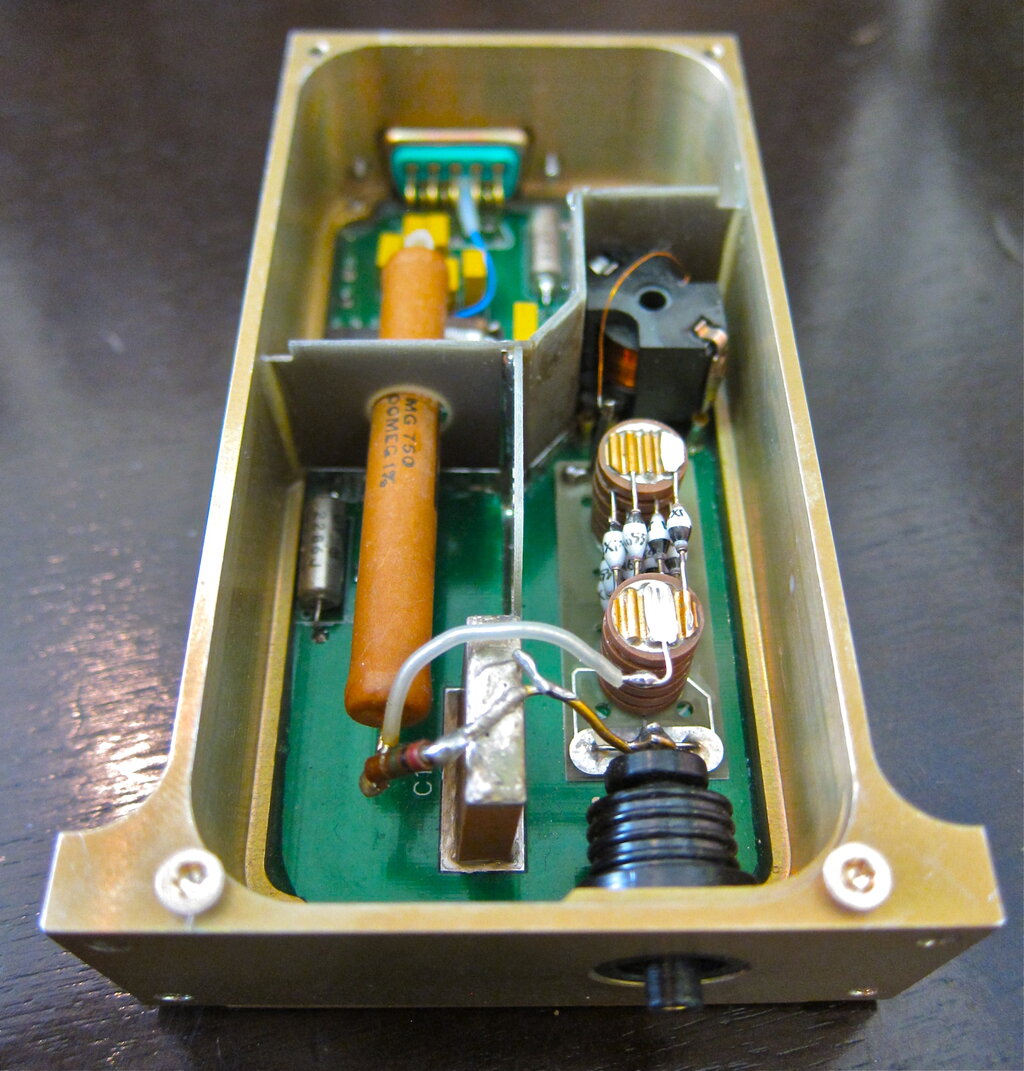
A flyback transformer alone, scavenged from an old CRT television or monitor, might only produce 5-10kV. To reach our target of 20-40kV, we need a (CW) voltage multiplier. This clever circuit uses a ladder of capacitors and diodes to stack voltages, progressively doubling the peak voltage at each stage. An AC input voltage is rectified and pumped up the ladder, with each stage adding to the potential of the one before it. A 10-stage CW multiplier fed with a 2kV peak AC input can theoretically produce a 40kV DC output, though real-world losses will reduce this slightly.