Building a Dead Hedge
Introduction to Dead Hedges
Fences Made of Scraps
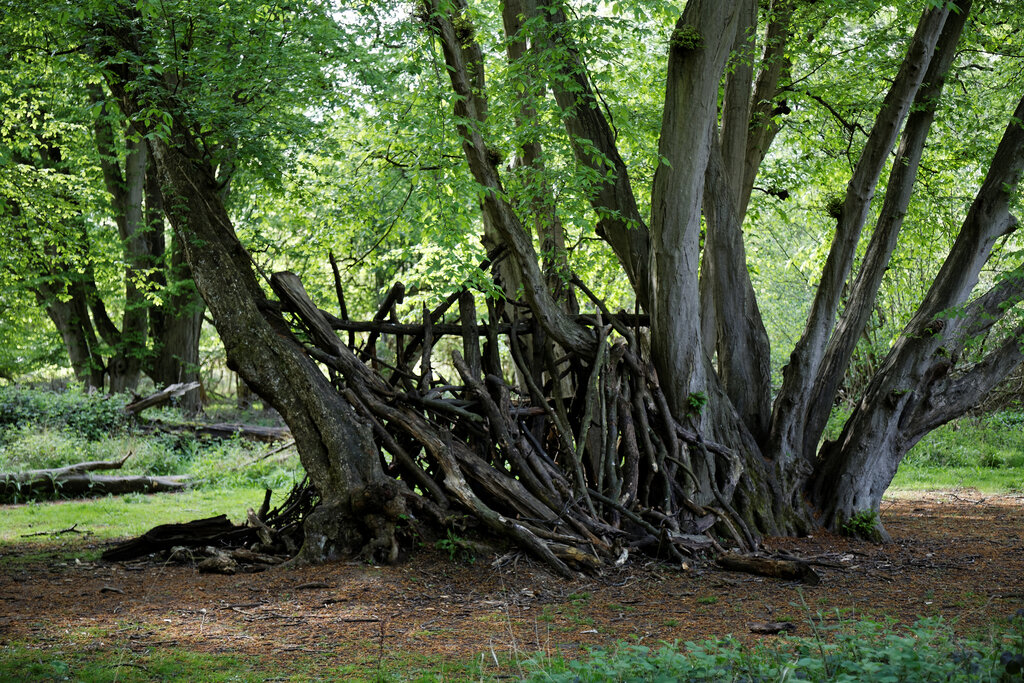
A dead hedge is exactly what it sounds like: a barrier made from dead wood. It’s a simple, linear pile of branches, twigs, and other woody debris, usually packed between two rows of posts. Instead of hauling away garden clippings or burning them, this material is repurposed to create a rustic, functional, and living feature in the landscape.
Think of it as a long, organized compost pile that also serves as a fence. It’s a structure that defines a space, guides movement, or protects an area from wind, all while slowly breaking down and enriching the soil.
An Ancient Tradition
Dead hedging isn't a new trend in eco-gardening. It's a centuries-old practice rooted in traditional woodland management. For generations, people managing forests and farmlands needed to clear underbrush and prune trees. The leftover material was a valuable resource.
Crafts like coppicing—where trees are cut back to ground level to stimulate new growth for poles or firewood—produced a lot of smaller branches and brush. This material was woven or stacked between posts to create sturdy, stock-proof barriers for livestock or to mark the boundaries of a managed woodland plot. It was a perfect example of using every part of a natural resource.
A Living Pile of Sticks
Though built from dead material, these hedges are buzzing with life. They create a unique microhabitat that supports a huge range of wildlife. The tangled branches offer shelter and safety for small mammals like hedgehogs, voles, and shrews, protecting them from predators.
Birds, such as wrens and robins, find nesting sites and hunt for insects within the dense structure. The slowly decaying wood becomes a feast for fungi, beetles, and countless other invertebrates. These tiny creatures form the base of the local food web, attracting larger animals and boosting the overall biodiversity of the area.
A dead hedge acts like a wildlife corridor, allowing small animals to move safely across a landscape.
The benefits extend beyond providing shelter. As the organic material breaks down, it returns valuable nutrients to the earth, improving soil health. This process is slow, quiet, and incredibly effective. A dead hedge is a testament to how decay fuels new life.
Practical and Sustainable
For modern gardeners and land managers, dead hedges offer simple solutions to common problems. The most obvious advantage is waste recycling. Instead of filling yard waste bags or renting a wood chipper, you can use prunings, fallen twigs, and even old Christmas trees to build and maintain your hedge. It's a closed-loop system in your own backyard.
Dead hedges also make excellent windbreaks. A well-built hedge can shelter tender plants, reduce soil erosion from wind, and create a calmer, warmer microclimate for a garden bed. They can also serve as effective, natural-looking boundary markers to divide parts of a garden, line a pathway, or screen an unsightly view without installing a solid, artificial fence.
Ready to test what you've learned about this simple but powerful landscaping tool?
What is the basic structure of a dead hedge?
The historical practice of dead hedging is most closely associated with which activity?
Dead hedges are more than just a rustic feature. They are a smart, sustainable way to manage garden waste, support wildlife, and build structure in a landscape, all while honoring a timeless tradition of working with nature.