Building a Competitive Fitness Empire
Gym Real Estate Strategies
The First Real Estate Question: Lease or Buy?
Your gym's physical location is more than just a space; it’s the foundation of your brand. The first major decision is whether to buy a property or lease one. Buying a facility means significant upfront capital, typically requiring a down payment of at least 20%. While this path builds long-term equity, it also ties up a substantial amount of cash that could otherwise be used for high-end equipment, marketing, or operational runway.
Leasing, on the other hand, offers flexibility. It lowers the barrier to entry financially and allows you to pivot if the location doesn't perform as expected. For a premium independent gym, this flexibility can be crucial in the early years. You can test a market without committing to a 30-year mortgage on a commercial property.
| Factor | Leasing a Facility | Buying a Facility |
|---|---|---|
| Upfront Cost | Lower (Security deposit, first month's rent) | High (20%+ down payment, closing costs) |
| Equity | None | Builds equity over time |
| Flexibility | High (Shorter terms, option to move) | Low (Selling is a lengthy process) |
| Maintenance | Typically the landlord's responsibility | Your responsibility (repairs, upkeep) |
| Monthly Costs | Predictable rent payments | Variable (Mortgage, taxes, insurance, repairs) |
Given the trade-offs, most new independent gyms start by leasing. This approach conserves capital and minimizes risk, allowing you to focus on building your brand and membership base. But not all leases are created equal.
Understanding Lease Structures
When you lease a commercial space, the terms dictate who pays for what. The two most common structures are the Triple Net (NNN) lease and the Full Service Gross lease. The choice between them has a direct impact on your monthly cash flow and financial predictability.
A Full Service lease is straightforward: you pay a single, flat-rate rent, and the landlord covers all operating expenses, including taxes, insurance, and maintenance. It's predictable, which is great for budgeting, but the base rent is significantly higher to cover those landlord costs.
Triple Net Lease
noun
A lease agreement where the tenant is responsible for paying the property's operating expenses—property taxes, building insurance, and maintenance—in addition to rent.
In a Triple Net (NNN) lease, the base rent is lower, but you are responsible for your pro-rata share of the building's operating expenses. This means your monthly outlay can fluctuate. If the building's property taxes go up or the HVAC system needs a major repair, those costs are passed on to you. While potentially cheaper overall, an NNN lease introduces a level of financial uncertainty that you must be prepared to manage.
Choose a Full Service lease for predictable budgeting. Opt for an NNN lease if you're comfortable with variable costs and want more control over the property's maintenance.
Site Selection and Zoning
For a premium brand, location isn't just about visibility; it's about context. The right site aligns with your target demographic. Look for areas with high disposable income, good accessibility, and ample parking. Proximity to complementary businesses like organic cafes, wellness clinics, or high-end retail can create a synergistic flow of your ideal clientele.
Once you find a potential location, you must navigate local zoning and permit requirements. Fitness centers are a unique type of business and often face strict regulations. Cities have specific rules about noise, especially concerning the sound of dropped weights, which can require expensive soundproofing. Parking is another critical factor; municipalities often mandate a certain number of spots per square foot to accommodate peak-hour traffic from classes. You'll also need to ensure the building complies with all safety and accessibility codes.
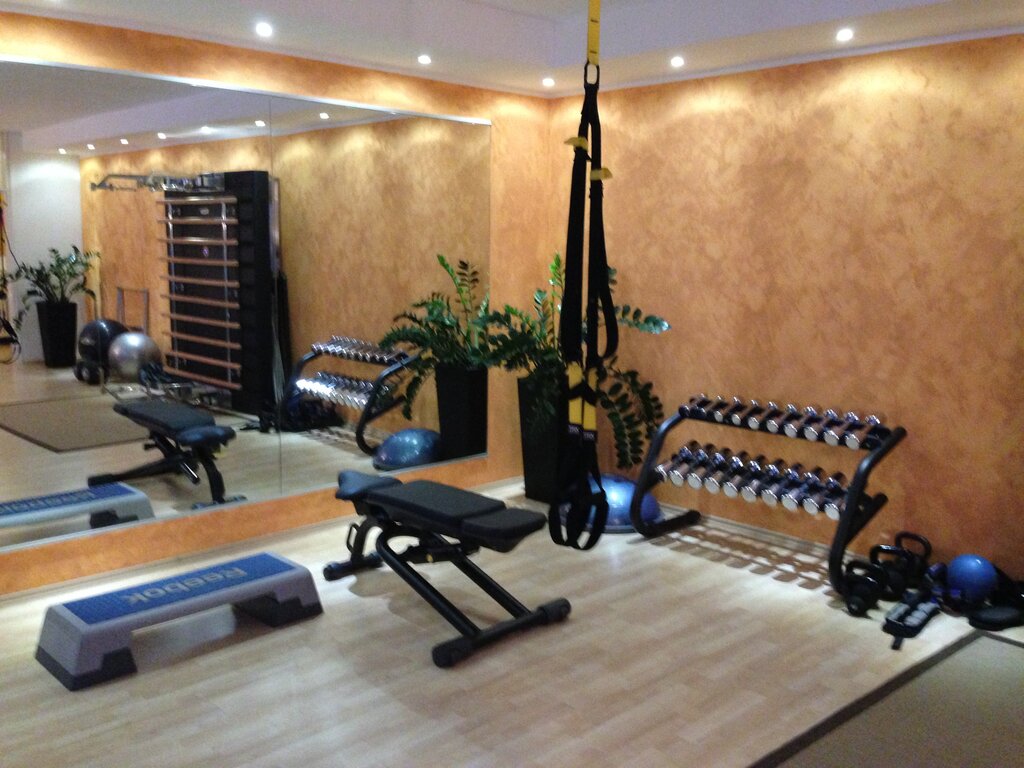
Failing to conduct thorough due diligence on zoning can be a costly mistake. An ideal building in the wrong zone is a non-starter. Always verify the property’s designated use and investigate what it would take to get a conditional use permit before you even think about signing a lease.
Negotiating a Smarter Lease
A standard lease agreement often favors the landlord. As a business owner, you need to negotiate clauses that protect your investment. Two of the most important are the 'opt-out' clause and the 'non-compete' clause.
An opt-out clause, sometimes called a 'kick-out' clause, gives you the right to terminate the lease early if your business doesn't meet certain revenue targets after a specific period. For example, you might negotiate the option to exit the lease after 18 months if your revenue is below a pre-agreed threshold. This clause is a critical safety net, giving you an exit strategy if the location proves to be a poor fit.
One of the first steps in growing a fitness business is figuring out the thing that sets your gym or service apart.
A non-compete clause, or exclusivity clause, prevents the landlord from leasing space in the same building or shopping center to another fitness business. For a premium, independent gym, this is non-negotiable. It protects your market share and ensures you aren't suddenly competing with a budget franchise that opens up next door.
Negotiating these terms requires a clear understanding of your business model and a willingness to advocate for your needs. Securing these protections in your lease is just as important as choosing the right location.
What is the primary advantage of leasing a property for a new independent gym instead of buying one?
Under a Triple Net (NNN) lease, if the building's property taxes increase unexpectedly, who is typically responsible for paying that increased cost?
Securing the right physical space under the right terms is a foundational step that sets the stage for your gym's long-term success.