Build Your Portfolio Website
Understanding Portfolio Websites
Your Digital Handshake
Think of a portfolio website as your personal online gallery. It's more than just a resume; it's a dedicated space to showcase your skills, projects, and personality to the world. While a resume lists what you've done, a portfolio shows it. This visual and interactive format allows you to tell your professional story in a much more compelling way.
A portfolio is a representation of your skills and accomplishments, showcasing your professional, academic, or creative accomplishments.
Why You Need One
In today's competitive market, simply saying you have a skill isn't enough. A portfolio website provides concrete proof of your abilities. For a graphic designer, it's a gallery of stunning visuals. For a writer, it's a library of published articles. For a developer, it's a showcase of functional applications.
Having a dedicated site gives you complete control over your professional narrative. You decide what work to feature and how to present it, allowing you to shape how potential employers or clients perceive you. It's an opportunity to stand out from a stack of text-based resumes and make a memorable first impression.
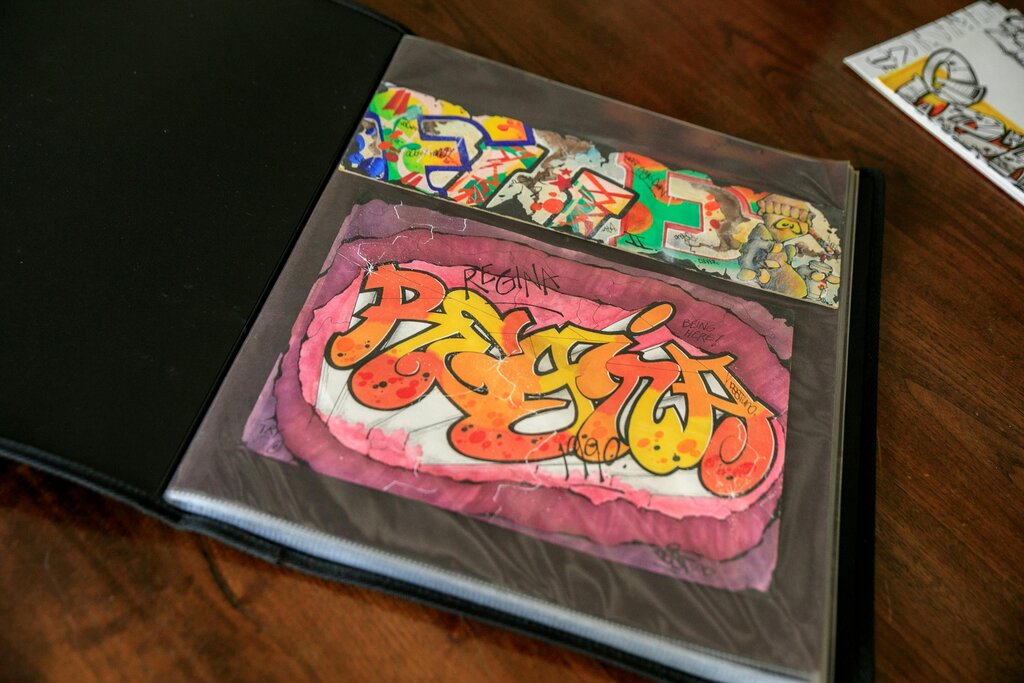
Ultimately, a portfolio serves as a central hub for your professional life. It can link to your social media profiles, your resume, and any other relevant online presence, making it easy for people to find everything they need to know about you in one place.
Anatomy of a Strong Portfolio
An effective portfolio website doesn't need to be complicated. In fact, simplicity and clarity are key. Here are the essential elements every portfolio should have:
Showcase Your Best Work: Don't include every project you've ever done. Curate a selection of your best pieces that are relevant to the type of work you want to do.
Tell the Story: For each project, provide a brief description. What was the problem or goal? What was your role? How did you approach it, and what was the outcome? This context is crucial.
About You: Include a concise 'About Me' page. This is your chance to show some personality and share your professional journey and aspirations.
Clear Navigation: Make it easy for visitors to find what they're looking for. A simple menu with links to your work, about page, and contact information is a must.
Easy Contact Info: Provide a clear way for potential employers or clients to get in touch, whether it's an email address, a contact form, or a link to your LinkedIn profile.
Works on Any Device: Your site must be responsive, meaning it looks great and functions well on desktops, tablets, and smartphones. Many people will first view your portfolio on their phone.
Ensure your main navigation has links to Home, About, Portfolio and contact all easily found throughout the site.
Think of your portfolio as a living document. As you complete new projects and develop new skills, update your site to reflect your growth. It's your professional home on the web, always ready to make a great impression.