Build Your Own Sauna
Sauna Basics
The Story of Saunas
The story of the sauna begins thousands of years ago in the forests of Northern Europe. The earliest versions were simple pits dug into the earth, heated with hot stones. Over time, these evolved into the log cabins we often picture today, becoming a cornerstone of Finnish culture. In Finland, the sauna is not just a place to bathe; it's a space for relaxation, meditation, and socializing with family and friends. For centuries, it has been central to major life events, from birth to preparing for marriage.
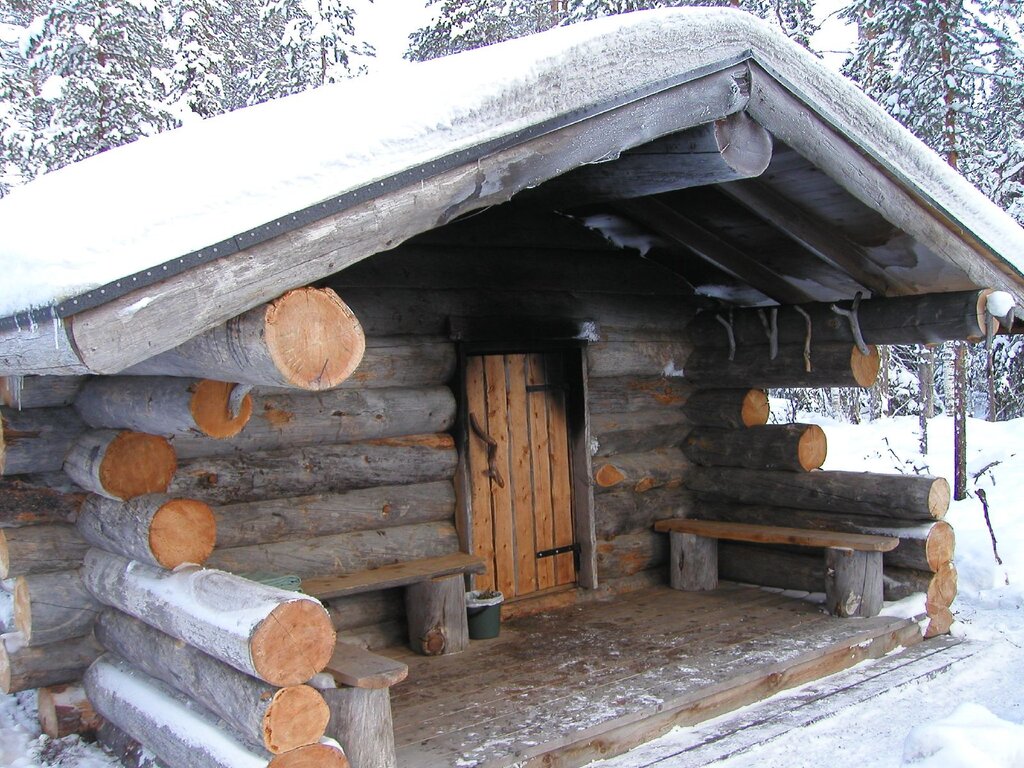
This deep cultural root is why saunas are designed with such intention. They are meant to be sanctuaries, a way to connect with oneself and others. The tradition has spread worldwide, with many cultures adapting the practice to fit their own customs.
More Than Just Heat
Why has this ancient practice endured? The benefits go far beyond simple relaxation. Regular sauna use is linked to a wide range of health advantages, both for the body and the mind.
Beyond the pleasures of relaxing and unwinding, saunas in general are sought after for purported health benefits such as muscle recovery, pain relief, heart health, anti-aging and “detoxification”.
Physically, the heat can increase circulation, soothe sore muscles, and ease joint pain, making it a favorite for athletes. Mentally, the quiet, warm environment provides a powerful antidote to stress. It's a dedicated time to disconnect from screens and daily worries, which can improve mood and promote better sleep. The experience is both invigorating and calming.
Types of Saunas
While the core idea is simple—sitting in a hot room—there are several different ways to achieve it. Each type of sauna offers a distinct experience.
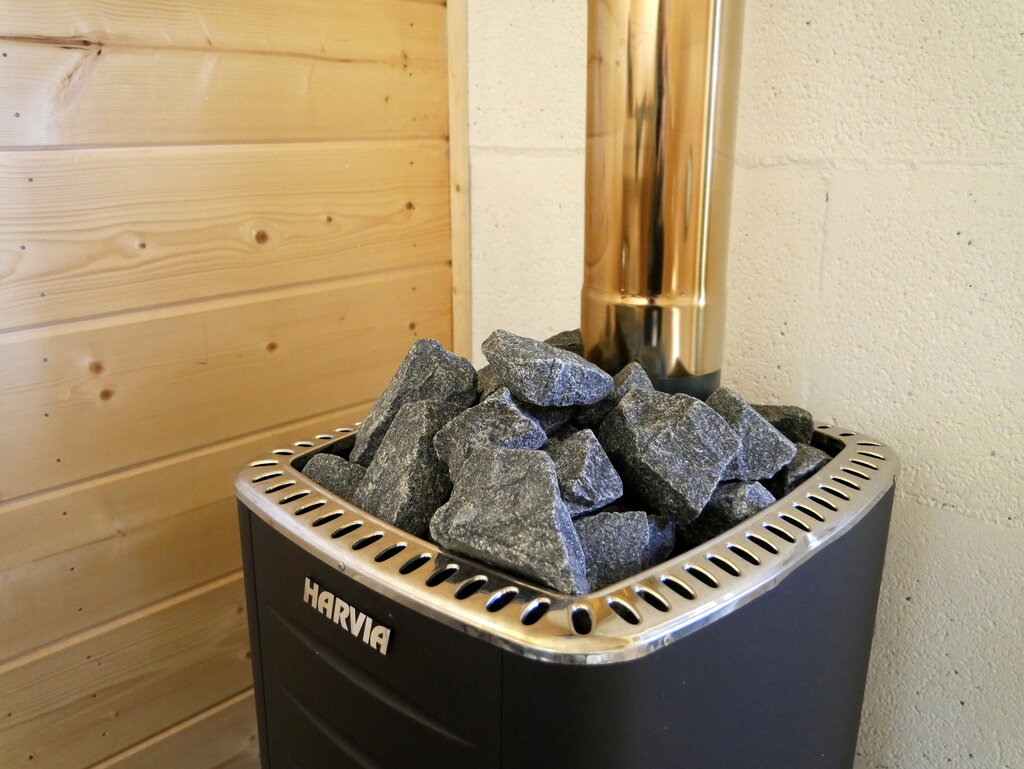
Traditional Finnish saunas use a stove, called a kiuas, to heat rocks. Water is ladled onto these rocks to create steam, or löyly, which briefly raises the humidity. These saunas are characterized by high temperatures (typically 160-200°F or 70-90°C) and dry air.
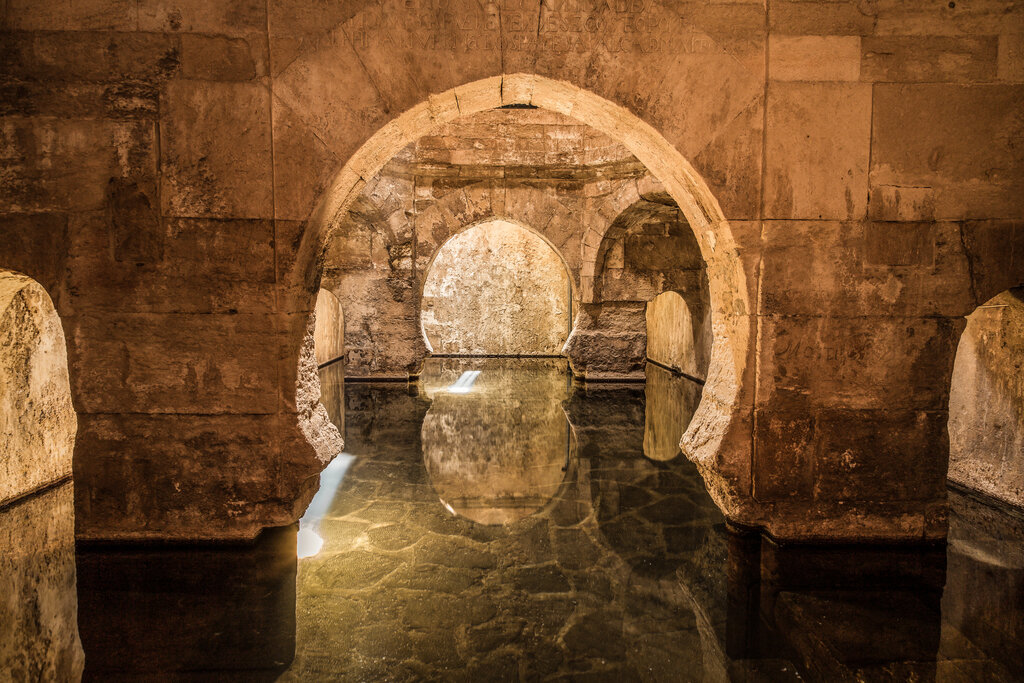
Steam saunas, also known as steam rooms or Turkish baths, operate differently. Instead of dry heat, they use a generator to boil water and release steam, creating a high-humidity environment. Temperatures are lower than in traditional saunas, usually around 110-120°F (43-49°C), but the moisture makes the heat feel very intense.
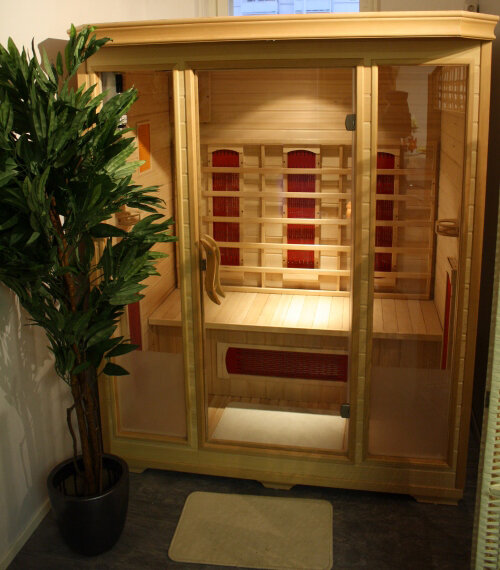
Infrared saunas are the newest type. They use infrared light to heat the body directly, rather than heating the air in the room. This allows them to operate at much lower temperatures, typically 120-140°F (49-60°C), making them a good option for people who find the intense heat of traditional saunas uncomfortable. The experience is gentle and deeply warming.
Understanding these fundamentals—the history, benefits, and different types—is the first step. It provides the foundation for choosing and building a sauna that fits your needs perfectly.