Build Your Own Robot Dog
Introduction to Robotics
What is a Robot?
The word “robot” might bring to mind images from science fiction movies, but the reality is both more common and more practical. At its core, a robot is a machine designed to carry out a series of actions automatically. The term itself comes from the Czech word robota, meaning "forced labor," and was first used in a 1920 play.
Simply put, a robot is a physical machine that can be programmed to perform tasks. While some are shaped like humans, most are designed purely for function. They build our cars, explore other planets, and even vacuum our floors. What they all share are three key abilities: they can sense their environment, process information, and act on that information physically.
A Quick History
The idea of automated machines is ancient, with stories of mechanical servants dating back centuries. But modern robotics began in the industrial age. The first true industrial robot, called the Unimate, was installed in a General Motors factory in 1961. It was a single, massive arm tasked with lifting and stacking hot pieces of metal, a dangerous job for any human.
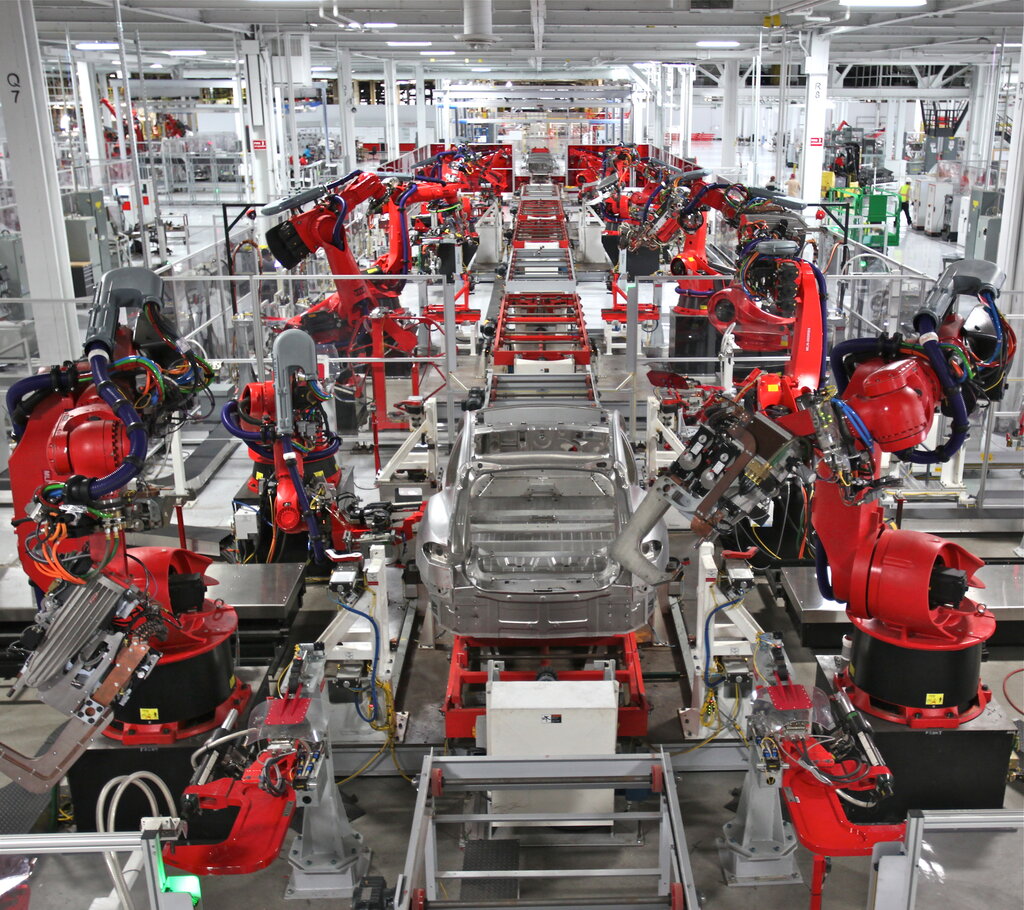
The Unimate's success kicked off a revolution in manufacturing. Factories began adopting robots for repetitive, difficult, or hazardous tasks. This freed up human workers for more complex and creative roles. Over the decades, robots have become smaller, smarter, and more versatile, moving from factory floors into hospitals, warehouses, and even our homes.
The Building Blocks of a Robot
Every robot, whether it's a simple toy or a complex surgical arm, is made of the same fundamental components. Think of them as the body parts that allow the robot to function.
A robot's core components include a controller (the brain), actuators (the muscles), sensors (the senses), an end effector (the hand or tool), and a power source.
The Controller is the computer that runs the robot's software. It takes in data from the sensors and decides what the robot should do next.
Actuators are the components that create movement, like motors, pistons, or artificial muscles. They are what allow the robot to move its limbs or wheels.
Sensors gather information about the robot's surroundings. These can include cameras for sight, microphones for sound, and touch sensors to feel objects.
The End Effector is the part of the robot that interacts with the world. It could be a gripper, a drill, a welding torch, or any other tool needed for the task.
Finally, the Power Source provides the energy to run everything, usually through batteries or a direct electrical connection.
Categories of Robots
Robots are often categorized by their purpose. While there are many types, most fall into a few main groups.
Industrial Robots: These are the workhorses of manufacturing. Typically designed as stationary arms, they perform tasks like welding, painting, and assembly with high precision and speed. They rarely look human-like because their form is optimized for a specific, repetitive job.
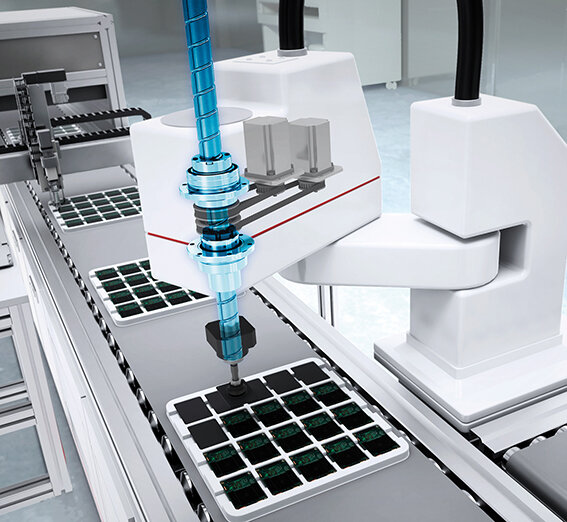
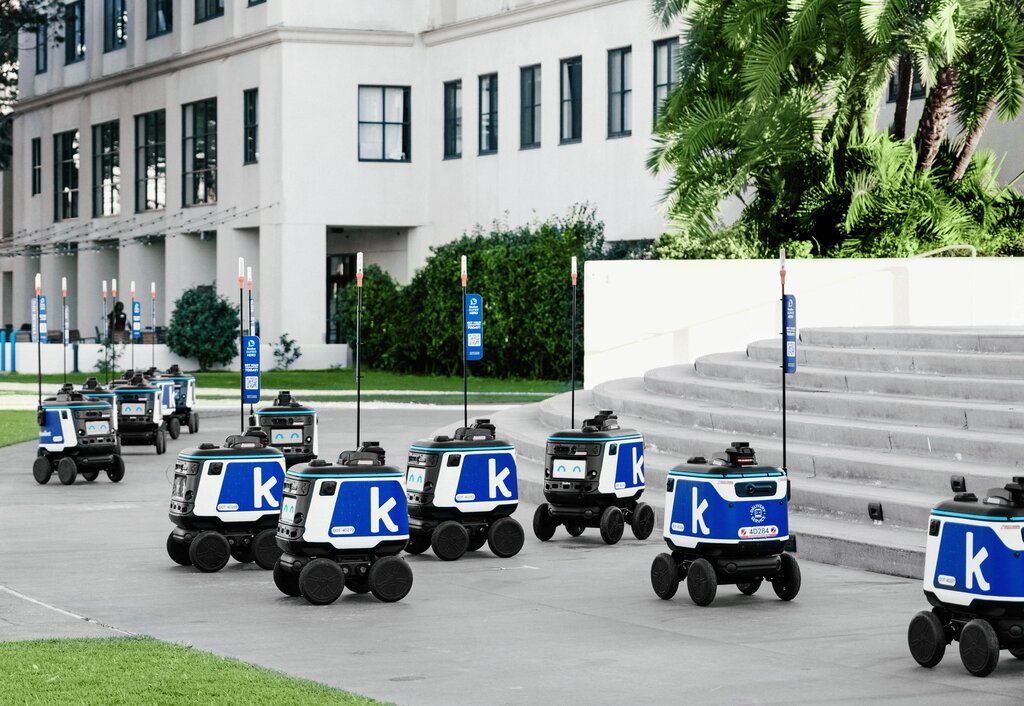
Service Robots: This broad category includes any robot that assists humans, either professionally or personally. Examples range from autonomous surgical assistants in hospitals to robotic vacuum cleaners in homes and delivery bots on city sidewalks.
Exploration Robots: Built to go where humans can't, these robots explore deep oceans, distant planets, and disaster zones. NASA's Mars rovers are a famous example, gathering data from another world.
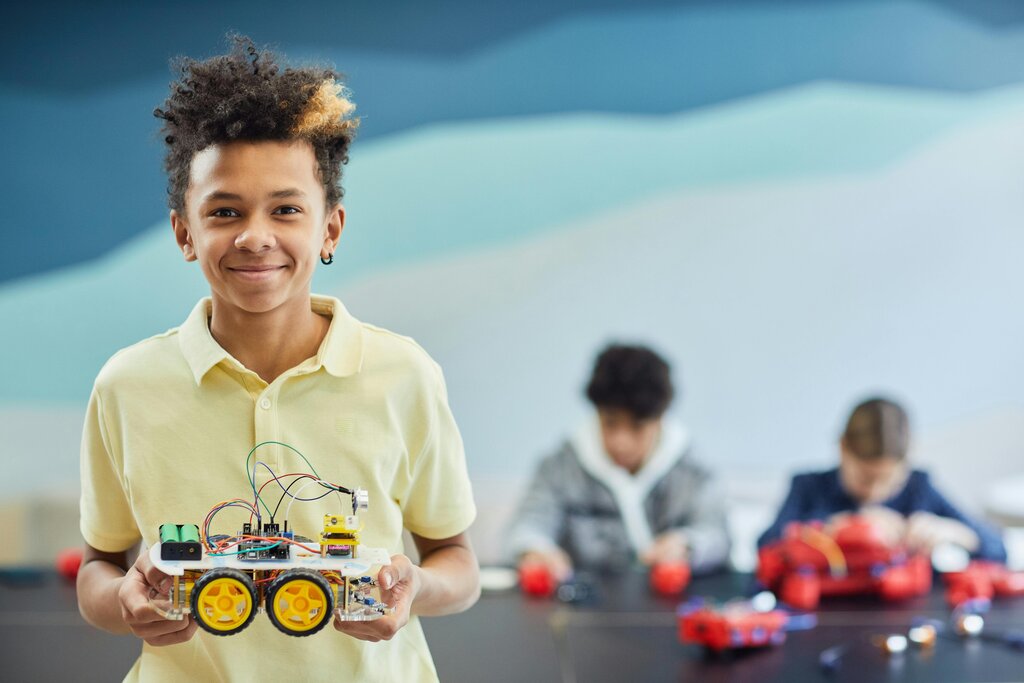
Educational Robots: These are designed to help people learn about programming and engineering. Kits like LEGO Mindstorms allow students and hobbyists to build and program their own simple robots, providing a hands-on introduction to the field.
These categories show just how diverse the world of robotics has become. From building our cars to exploring new frontiers, robots are powerful tools that extend human capabilities.
Now, let's test what you've learned about the fundamentals of robotics.
What does the Czech word robota, the origin of the word "robot", mean?
Which component of a robot is responsible for creating movement, like turning a wheel or moving an arm?