Build Your Own Quadruped Robot
Introduction to Quadruped Robotics
The Four-Legged Advantage
Four-legged animals are masters of movement. From a cheetah sprinting across the savanna to a mountain goat navigating a steep cliff, quadrupeds are incredibly stable and agile. They can walk, run, and jump over uneven ground with a grace that wheeled or two-legged creatures often struggle to match. Robotics engineers took notice of this natural design, leading to the creation of quadruped robots.
Quadruped
noun
A four-footed animal or, in robotics, a machine that moves using four legs.
Unlike robots with wheels or tracks, which need relatively flat surfaces, quadrupeds can step over obstacles, adjust their footing on shifting terrain, and maintain balance in dynamic environments. This ability to traverse complex landscapes makes them uniquely suited for jobs that are too dangerous or difficult for humans.
From Clunky to Capable
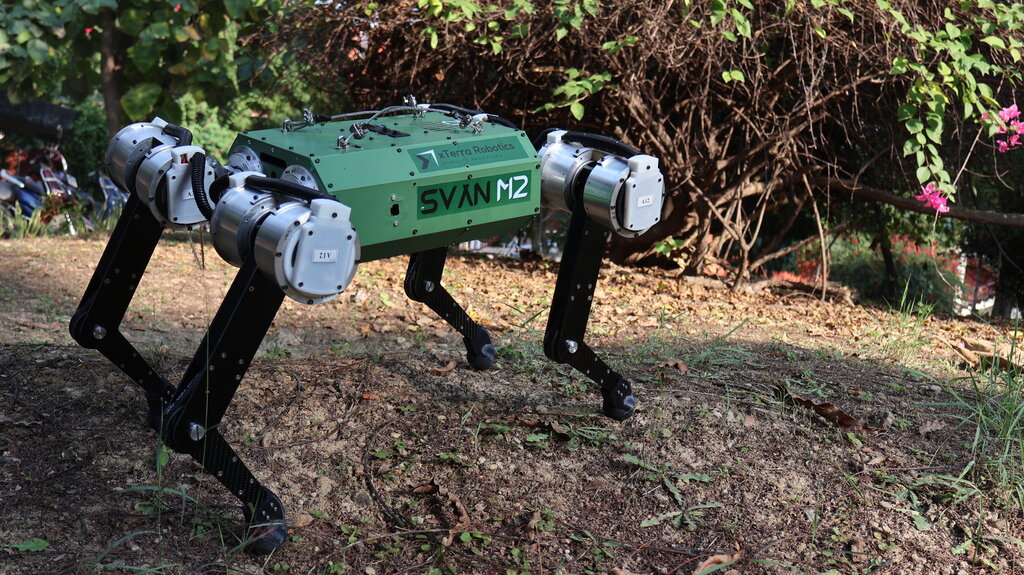
The journey of quadruped robotics didn't start with the sleek, dog-like machines we see today. Early concepts in the late 20th century were often bulky, slow, and tethered to powerful computers. A key milestone was the development of robots that could dynamically balance—meaning they could adjust to forces and stay upright, much like an animal does, rather than relying on slow, static movements.
One of the most famous early examples was BigDog, developed in 2005. It was designed to carry equipment for soldiers over rough terrain and was known for its impressive ability to recover from slips and shoves.
As computing power shrank and motors became more efficient, quadruped robots grew smaller, faster, and more autonomous. Researchers developed new algorithms that allowed the robots to coordinate their four legs to walk, trot, and run. These advancements turned them from lab curiosities into practical tools.
Where Four Legs Are Better Than Two
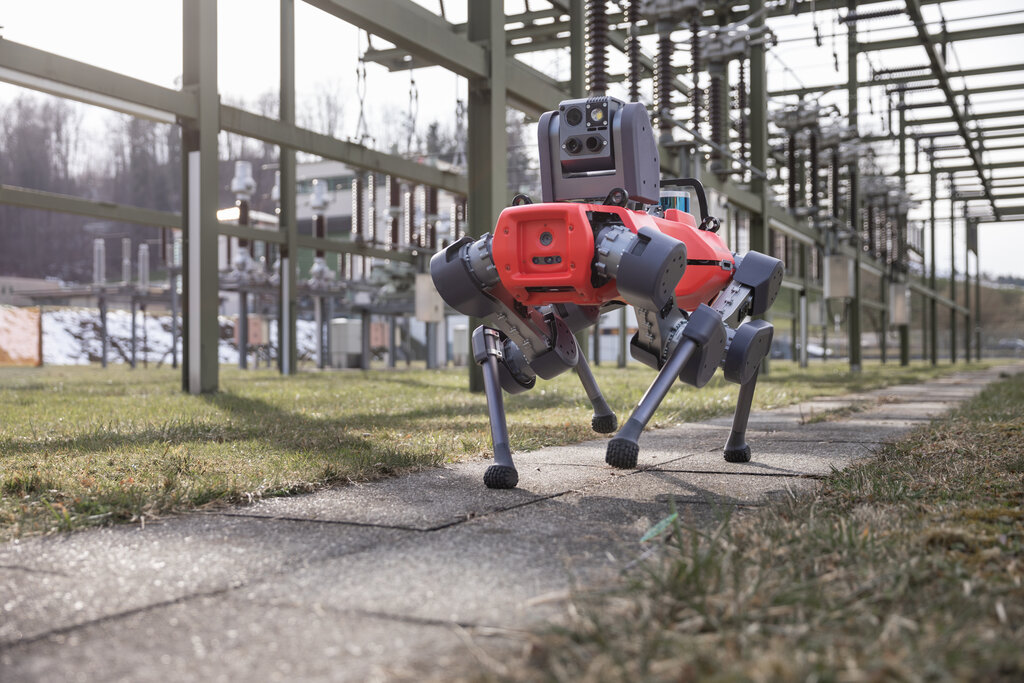
The unique mobility of quadruped robots opens up a wide range of applications. Their ability to go where other machines can't makes them invaluable in several fields.
In search and rescue, they can enter collapsed buildings or disaster zones to locate survivors without risking human lives. For exploration, they can navigate the rocky surfaces of other planets or map out uncharted caves and forests on Earth.
They're also finding work in industrial settings. Quadruped robots can inspect power plants, construction sites, and factories, carrying sensors to detect gas leaks, check equipment, or create 3D maps of the environment.
At its core, a quadruped robot is a system of interconnected parts. It has a central body, or chassis, which houses the computer, batteries, and other electronics. Attached to the chassis are four legs, each with multiple joints—typically at the hip and knee—powered by motors.
Sensors on the robot act as its eyes and ears, helping it perceive the world. A control algorithm, the robot's "brain," takes in sensor data and tells the motors how to move the legs to walk, stay balanced, and avoid obstacles. The magic is in the coordination—making all four legs work together seamlessly to produce stable, efficient movement.
Ready to check your understanding of these four-legged machines?
What is the primary advantage of quadruped robots compared to wheeled robots?
Which component of a quadruped robot is responsible for processing sensor data and coordinating leg movements?
By mimicking the elegant and effective design of four-legged animals, engineers have created a new class of robots capable of tackling some of the world's most challenging environments.